



search
date/time

Thu, 7:00PM
few clouds
9.1°C
SW 9mph
few clouds
9.1°C
SW 9mph
 | Sunrise | 5:35AM |
| Sunset | 6:43PM |  |

Ian Garner
Business Writer
P.ublished 23rd December 2023
business
Thoughts For The Festive Season
Photo by Nathan Dumlao on Unsplash
Many people feel strongly that we should support those in need and even feel we have a duty to help.
We’re all becoming familiar with CSR and ESG. These contributions to the alphabet soup of business TLAs (‘Three Letter Acronyms’) stand for Corporate Social Responsibility and Environment, Social, and Governance.
Indeed, the list of duties legally required by the Companies Act includes that a director MUST act with regard to the impact of its operations on the community and environment.

Photo by Adeolu Eletu on Unsplash
Businesses that sign up to the charter are required to commit to ten components concerning a range of practices affecting employees, customers, fair tax, environmental responsibility, prompt payment, and ethical supply chains. And the rule is a simple one: complete all ten components or don’t qualify.
As far back as the early 1990s, the idea of “the triple bottom line” was coined. The idea was that companies should be preparing three different (and quite separate) bottom lines. One is the traditional measure of corporate profit, i.e., the well-known “bottom line” of the profit and loss account. The second is the bottom line of a company's “people account", a measure in some shape or form of how socially responsible an organisation has been throughout its operations. The third is the bottom line of the company's “planet” account, a measure of how environmentally responsible it has been.
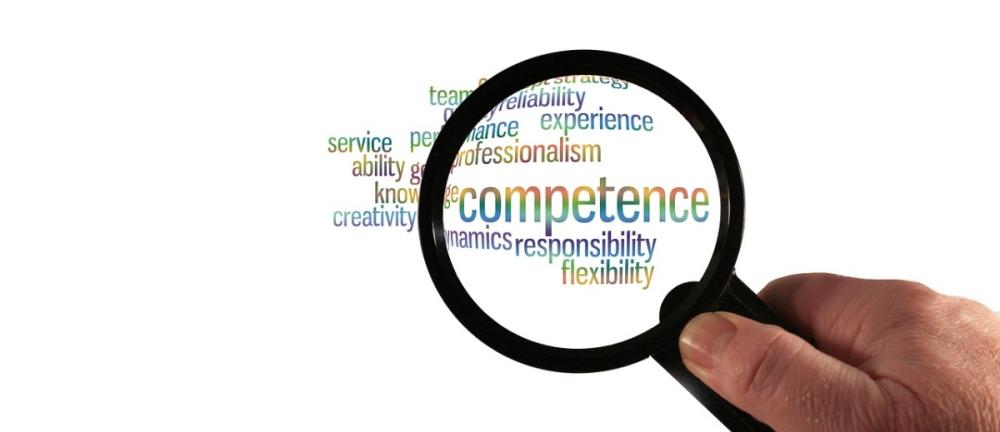
Image by Gerd Altmann from Pixabay
The UK B Corp certification recognises high social and environmental performance in business. This performance is measured in five pillars—Governance, Workers, Community, Environment, and Customers—but with no minimum threshold per pillar. This allows companies to choose those impact areas where they want to perform well. The certification is partly based on the triple bottom line theory.
Ethical business can be the key to successful business. In 2022, IBM, the American multinational technology corporation, and Research Insights released a report called “Consumers want it all: Hybrid shopping, sustainability, and purpose-driven brands”.
The report identifies that 62% of consumers say they’re willing to change their purchasing habits to reduce environmental impact. 44% of consumers choose products and brands based on how well they align with their values. This represents the largest single segment of consumers.
In June 2023, the World Economic Forum released a report that stated, “Consumer brand preferences are driven by an alignment of their own values, including reducing environmental harm and standing up for social issues. Consumers prefer buying from brands that care about the environment and speak out on social issues.”
International management consultancy McKinsey claims that the overwhelming weight of accumulated research finds that companies that pay attention to environmental, social, and governance concerns do not experience a drag on value creation. A strong ESG proposition correlates with higher equity returns.
Doing good also feels good. One of my favourite quotations is from American poet and historian Maya Angelou, who said, “Success is liking yourself, liking what you do, and liking how you do it.”
Writing about success may I take this opportunity to wish you a Happy Christmas and a successful 2024.

Ian is a board member of Maggie’s Yorkshire. Maggie’s provides emotional and practical cancer support and information in centres across the UK and online, with their centre in Leeds based at St James’s Hospital.
He is founder and director at Practical Solutions Management, a strategic consulting practice, and skilled in developing strategy and providing strategic direction, specialising in business growth and leadership.
Also by Ian Garner...
Why Fractional Roles Are Reshaping Modern Business LeadershipIntelligence Meets Emotion, The True Formula For SuccessMastering International Business Etiquette, A Guide For First-Time Meetings AbroadWhere Is The Value In Performance Appraisals?What Do Recruiters Mean By Cultural Fit