



search
date/time

Thu, 1:00PM
clear sky
7.0°C
W 3mph
clear sky
7.0°C
W 3mph
 | Sunrise | 5:35AM |
| Sunset | 6:43PM |  |

Ian Garner
Business Writer
P.ublished 8th November 2025
business
Is ESG Past Its Sell-By Date? The Rise Of The Next Corporate Social Buzz Phrase
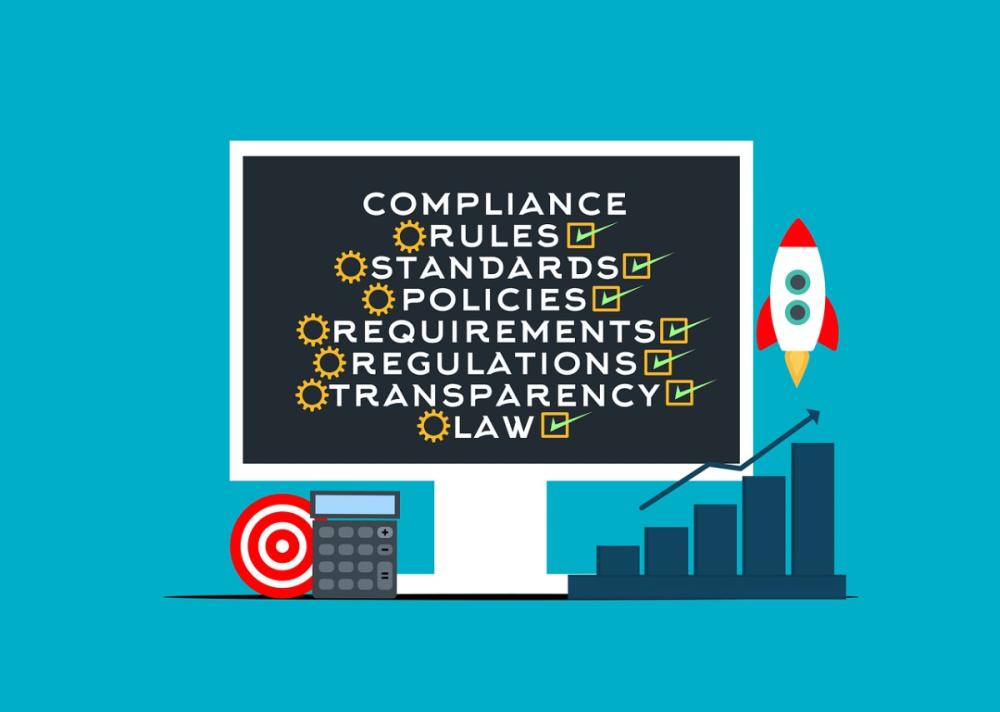
Image by Mohamed Hassan from Pixabay
Adopted widely in the early 2010s, ESG became the touchstone for sustainable investing and responsible business conduct. Companies raced to publish glossy sustainability reports, tout emissions reductions, improve supply chain ethics, and strengthen board diversity. Asset managers and institutional investors poured trillions into ESG-branded funds, propelled by the belief that companies mindful of environmental and social risks would outperform over time.
ESG, once a niche concern, became a business imperative. An alphabet soup of reporting standards proliferated, and ESG scores began influencing executive compensation and M&A decisions. For a time, it seemed the “ESG era” would last indefinitely.
However, by the early 2020s, cracks began to show. Critics accused corporations of “greenwashing”, pointing to ambitious net-zero pledges paired with lacklustre action or superficial compliance. Some investors, frustrated by inconsistent data and a lack of demonstrable financial impact, began to question whether ESG was little more than a tick-box exercise or PR campaign.
The proliferation of ratings and standards led to confusion, inconsistency, and fatigue among both corporate leaders and stakeholders.
Given the current scrutiny of ESG, what are the next steps? If there’s a new buzz phrase, it’s “corporate purpose”—a broader, more existential framing of why a company exists beyond shareholder profit. Where ESG is about meeting reporting requirements, purpose-driven business is about integrating values into the very DNA of the company.
Another contender is 'impact', with some firms and investors shifting from ESG compliance to impact measurement. This approach centres on quantifying the tangible, positive effects a company has on society and the environment, not just managing risk but actively creating value for people and the planet.
'Stakeholder capitalism' is also gaining ground, championed by the likes of the World Economic Forum and prominent CEOs. The idea? That companies shouldn’t just serve shareholders but also employees, customers, communities, and the world at large. This shift is leading to new frameworks and reporting tools that seek to measure value creation for all stakeholders, not just investors.
Why should business leaders care about the evolution from ESG to purpose, impact, or stakeholder value? Because the expectation bar is rising. Younger consumers and employees want to support companies whose actions align with their values. Investors are demanding stronger evidence of both financial returns and positive societal impact. Regulators, too, are tightening disclosure rules and clamping down on greenwashing.
In other words, the era of superficial ESG is fading. What replaces it won’t be just another acronym, but a deeper, more authentic commitment to making business a force for good.
Is ESG past its sell-by date? Not entirely; the principles remain relevant, but the language and approach are evolving. The corporate world is moving toward a more nuanced, holistic understanding of value, driven by purpose and impact. The next buzz phrase may be just around the corner, but the underlying message is clear: authenticity, action, and stakeholder value are the new imperatives for business success.
Humanitarian designer and author Cameron Sinclair put it succinctly when he said, “It angers me when sustainability gets used as a buzzword. For 90 percent of the world, sustainability is a matter of survival.”

Ian is a board member of Maggie’s Yorkshire. Maggie’s provides emotional and practical cancer support and information in centres across the UK and online, with their centre in Leeds based at St James’s Hospital.
He is the founder and director of Practical Solutions Management, a strategic consulting practice, and is skilled in developing strategy and providing strategic direction, specialising in business growth and leadership.
Also by Ian Garner...
Why Fractional Roles Are Reshaping Modern Business LeadershipIntelligence Meets Emotion, The True Formula For SuccessMastering International Business Etiquette, A Guide For First-Time Meetings AbroadWhere Is The Value In Performance Appraisals?What Do Recruiters Mean By Cultural Fit