


search
date/time

Sat, 10:00AM
few clouds
5.1°C
S 7mph
few clouds
5.1°C
S 7mph
 | Sunrise | 6:53AM |
| Sunset | 4:47PM |  |
Lisa Norfolk
Emotional Wellbeing Correspondent
P.ublished 24th October 2026
lifestyle
From Witches To Women WHO Speak Out…the Power Of A Label?
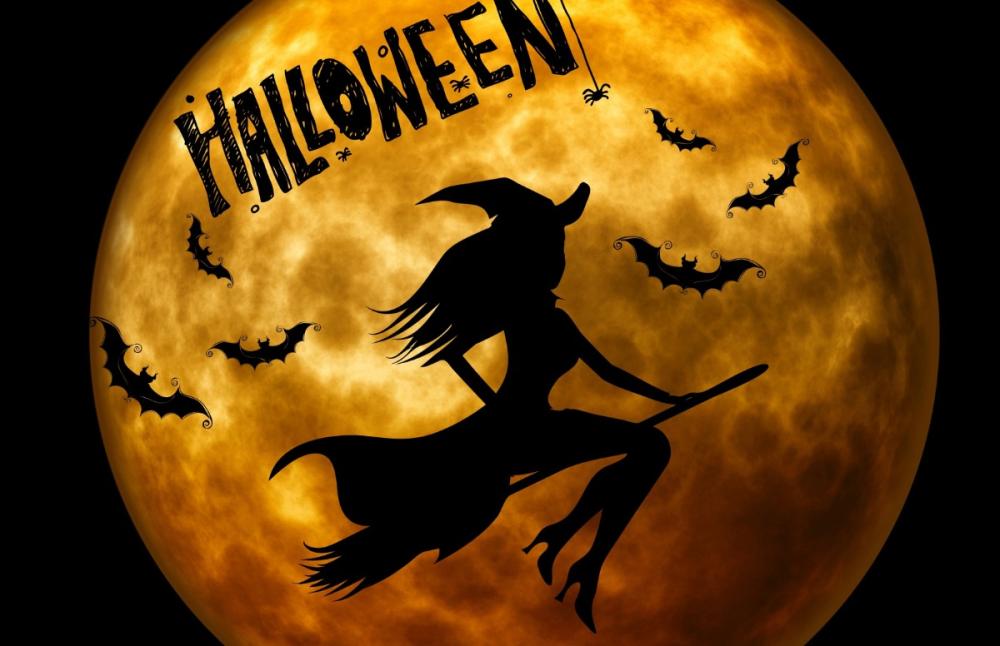
Image by Alexa from Pixabay
The depiction of the Witch was perhaps made even more famous with the recent blockbuster Wicked. The theme of who gets to decide whether a woman is dangerous or indeed ‘wicked’ runs through the film.
Throughout history there has been a far more dangerous, indeed fatal, side if you were deemed to be a "witch".
In America the Salem Witch Trials took place between 1692 and 1693. It started with several young girls in Salem experiencing distressing symptoms such as fits or distress; people in the community suspected witchcraft. More than 150 people were formally accused or imprisoned.
In England there were the Pendle Witches; ten people were convicted and executed in connection with the Lancashire witch trial of 1612. The trials didn’t discriminate; people of all ages and social classes, both wealthy and poor, were accused and killed. At this time, religious authority, patriarchal structures, and rigid expectations of women shaped society.
In my work as a person-centred counsellor, I have always been passionate about women’s rights, challenging how their mental health has been depicted over the centuries and how society treats women who are different and don’t fit the ‘norm’.
A person-centred approach allows people to understand who they are without the risk of being labelled, and I am a strong advocate for helping women of all ages to find their voices without fear of judgement or implying there is something “wrong” with them.
Historically the witch brings up issues of power, patriarchy and being othered, issues that are still extremely prevalent today.
Given the dismissing of women’s emotions, the witch of the 19th century could have been the Victorian hysteric. Hysteria was a medical diagnosis, particularly for women whose physical symptoms or behaviour doctors could not explain.
In 2026 the witch could be the woman deemed bossy, intimidating, outspoken or too much; women are still labelled as “hysterical”, dramatic or over emotional. The labels change, but who decides which women are deemed ‘acceptable’?
Today, women can be labelled as crazy, mental, too much, attention-seeking, bossy, and even 'woke'. Context matters, of course; however, the question should be whether this language accurately describes behaviour or if it is being used to silence or discredit someone.
Indeed, women may not directly be called witches; however, we are very much in the age of a dominant medical model that can be quick to label women with certain disorders from the DSM – the diagnostic statistical Manual of Mental Disorders – before looking at their background history, environment, inequalities, trauma and abuse.
What if, before labelling a woman, we were curious about the experiences and circumstances that shaped her?
A more considered question to ask is, rather than it being about “what is wrong with you?” but “what has happened to you?” made more widely known when it was published by Oprah Winfrey and Bruce D Perry.
When we are frightened of someone who appears to be different, just like Elphaba in Wicked, who was green and looked different and challenged authority, it is easy to other them, judge, label and condemn.
Perhaps the witch could be reclaimed not as a symbol of women being ‘mad’ or ‘bad’ but as a reminder of what can happen if society does not allow critical thinking, when we do not speak out, or when we accept the status quo. We can all take time to listen, understand, and be curious.
Lisa Norfolk
As well as working as a counsellor at The Market Place charity in Leeds for 20 years and Step2 in Bradford, she has supported young people, families and adults at The Samaritans and other charities. This includes extensive bereavement, crisis, creative and parent/family work. She continues to work as a counsellor with young people and parents.
Her aim is simple: A safe, boundaried space where someone can be heard, make sense of what’s going on, and move at a pace that fits them. Lisa often brings in creative approaches, such as drawing, objects or writing, when words are not quite enough. Her practice is trauma-informed and rooted in autonomy and choice.
https://www.lisanorfolkcounselling.com/
Instagram lisanorfolkcounselling
Also by Lisa Norfolk...
Oxygen Mask On: Helping Your Child (And Yourself) Through The Back-To-School ShiftResults Day Is Coming Round Again — Here's How To Support The Young People In Your LifeThe shortened address for this article is: newspub.uk/321f2