



search
date/time

Thu, 10:00PM
few clouds
7.1°C
SSW 6mph
few clouds
7.1°C
SSW 6mph
 | Sunrise | 5:35AM |
| Sunset | 6:43PM |  |
P.ublished 26th March 2026
frontpage
Yorkshire Makes Walking History As Coast To Coast Becomes A National Trail
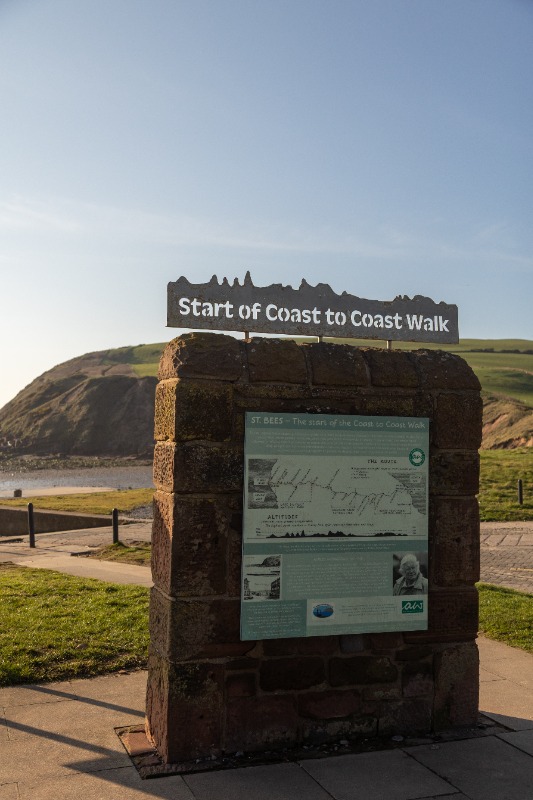
Start of the Trail at St Bees
Natural England celebrated the milestone this week with events across the Lake District, the Yorkshire Dales, and the North York Moors.
The 190-mile trail stretches from St Bees on the Irish Sea, through three national parks, and ends in Robin Hood's Bay, the route's dramatic North Sea finish line and the meeting point of three national trails, where the Coast to Coast joins the Cleveland Way and King Charles III England Coast Path.
A £5.5 million investment has brought it up to National Trail standard, with improved signage, better surfacing and opportunities for cyclists and equestrians across suitable sections. The route will also receive annual maintenance funding to keep it in excellent condition for generations to come.
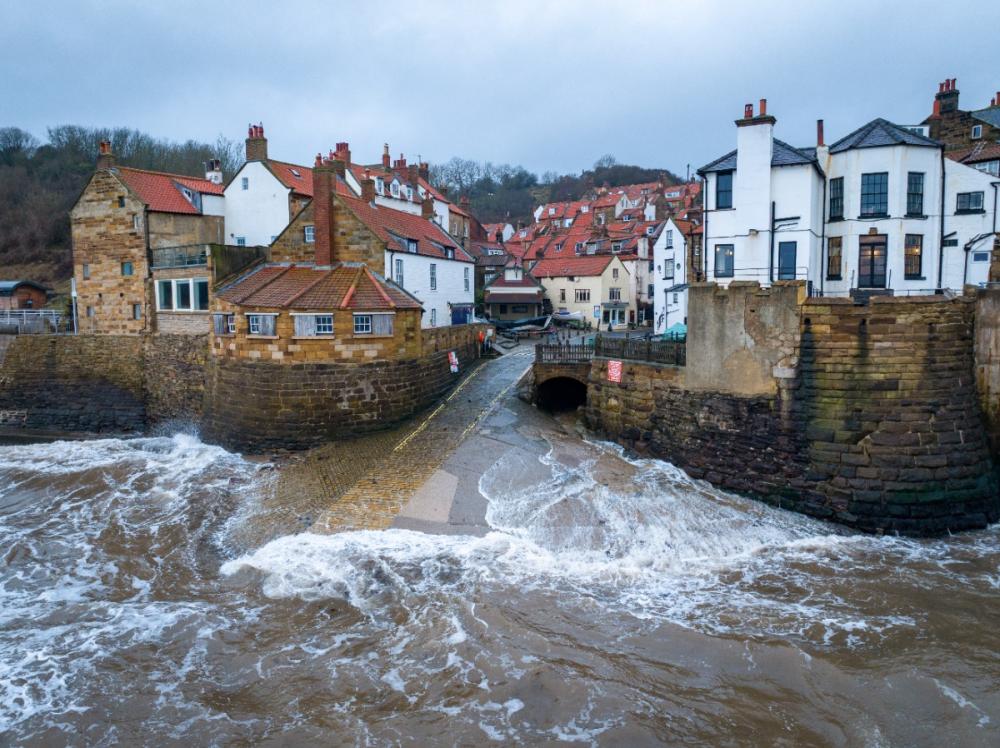
Robin Hood's Bay
Natural England, North Yorkshire Council and the North York Moors National Park Authority worked together to restore affected areas, and new National Trail funding will support ongoing recovery and conservation.
The village of Keld in Swaledale also holds a special place in Coast to Coast history as the moment when westbound walkers know the Irish Sea is now further behind them than the North Sea lies ahead. A new stone marker will be permanently installed here to mark the designation.
The Yorkshire Dales section takes walkers through some of England's most cherished landscapes, from dramatic limestone scenery and tumbling waterfalls to the quiet beauty of traditional hay meadows and stone barns.
In addition to both national parks, the Coast to Coast Path also passes through the Vale of York, taking visitors through agricultural lowlands and historical villages such as Bolton-on-Swale and Danby Wiske.
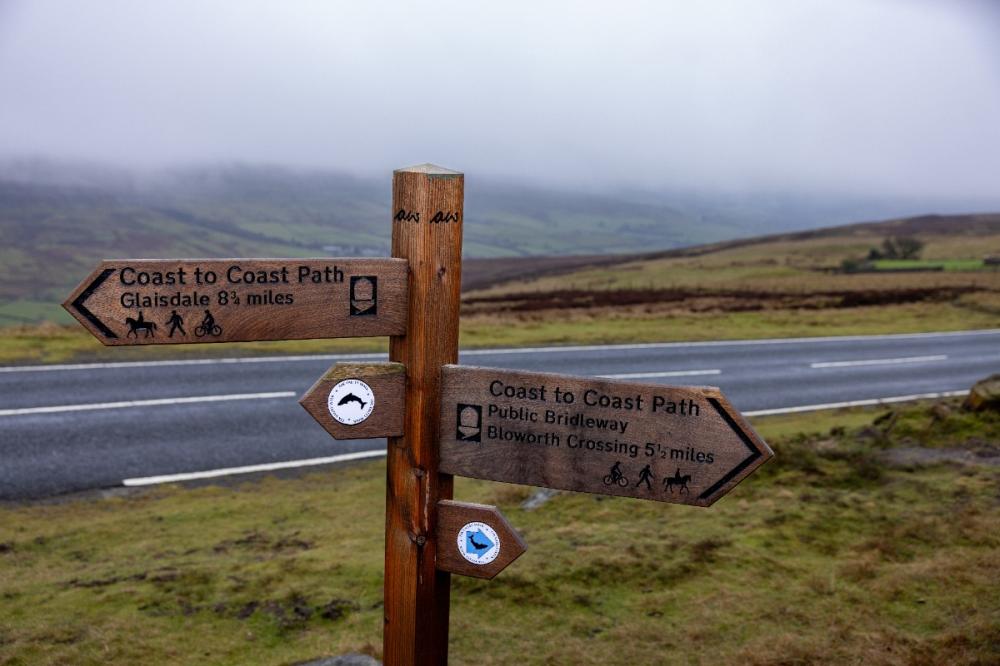
Lion Inn
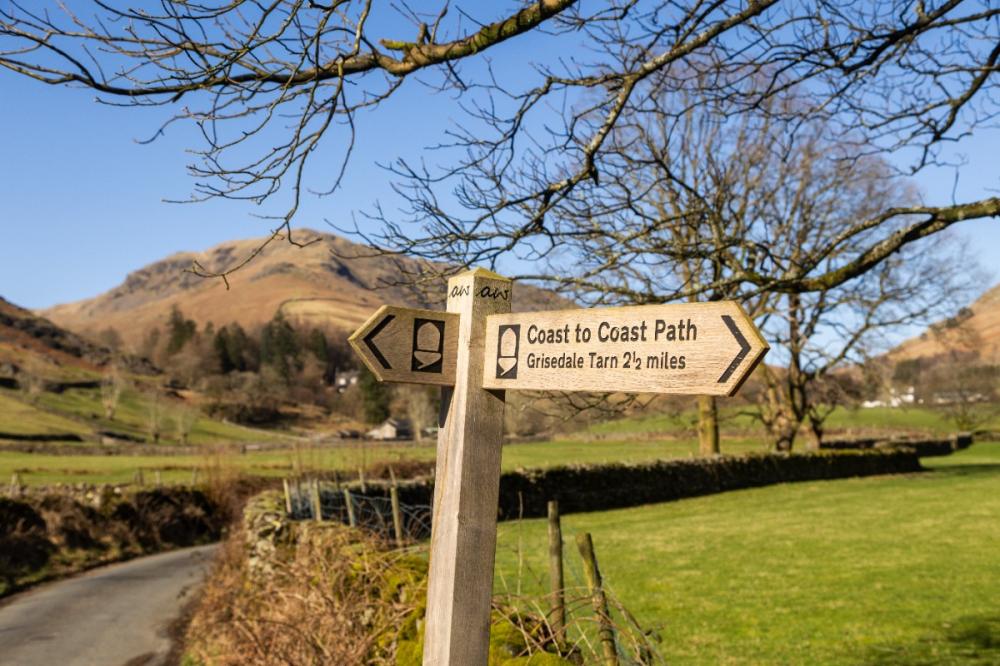
Signage near Far Easdale
Where the trail crosses from Cumbria into North Yorkshire, walkers tackle Nine Standards Rigg and White Mossy Hill, a remote and challenging stretch, where 5km of new flagstone path has been laid. This represents the single largest spend in building the new National Trail.
The Coast to Coast Path National Trail showcases some of Northern England’s most treasured landscapes and today marks the completion of four years of work to give this iconic route the status it deserves.
The Coast to Coast has inspired walkers since Wainwright first walked it over fifty years ago. As a National Trail with improved accessibility, paths and signage it will offer a new generation of walkers, wheelers and riders the chance to enjoy the route and bring new tourists to businesses along the way.
“For more than five decades, the North York Moors section of the Coast to Coast has provided some of the most memorable moments of this remarkable journey, from sweeping heather moorland and peaceful woodland, to the unforgettable first glimpse of the North Sea. Generations of walkers have experienced that sense of achievement as they reach Robin Hood’s Bay.
“We’re delighted to see the route officially recognised as a National Trail and to have played a part in caring for the landscapes it crosses. This designation reflects years of partnership working and will help ensure the trail remains accessible, well-maintained and inspiring, so that new generations of walkers can create their own Coast to Coast memories here in the North York Moors.”
“The Coast to Coast Path is one of our region’s greatest natural assets, and its designation as a National Trail will only amplify the social, economic and environmental benefits it brings to residents, visitors and local businesses.
“Having walked the route myself last year, I saw first-hand just how valuable it is to the communities it connects. That is why, on becoming chair of North Yorkshire Council last May, I made it a priority to champion the path at every opportunity.
“Working closely with neighbouring councils and our three National Parks, we have strengthened joint efforts to promote the trail and, through our locality budget programme, secured significant funding to support the Coast to Coast Passport scheme. This has helped showcase the many attractions and enterprises along the route while enriching the experience for those who walk it.
“I look forward to seeing the Coast to Coast Path continue to grow in profile and popularity as one of the country’s truly great National Trails, inspiring many more people to explore and enjoy the landscapes that make our region so special.”
Derek Twine, Chair of the Yorkshire Dales National Park Authority said:
“I want to pay tribute to everyone involved in elevating the Coast to Coast Path to National Trail standard. Here in the Dales, our teams have delivered the largest single project in the Authority’s history: installing nearly three kilometres of stone flagging across a notoriously boggy and environmentally sensitive peatland, upgrading ten bridges, and installing more than 40 new fingerposts to guide walkers along the route.
“Recognising the Coast to Coast Path as a National Trail is something this Authority has championed since 2016, and I am proud to see that support finally come to fruition. This designation will not only safeguard the route for future generations but also help strengthen our rural economies and inspire more people to enjoy and access the outdoors.”
More than 6,000 people complete the full Coast to Coast every year, with thousands more enjoying shorter sections. Local communities feel the benefit of the trail's popularity, with a 2025 survey finding 99% of walkers used local food services during their journey, with 77% staying in local accommodation.