



search
date/time

Sun, 7:00AM
broken clouds
10.1°C
S 5mph
broken clouds
10.1°C
S 5mph
 | Sunrise | 5:21AM |
| Sunset | 6:48PM |  |

Andrew Palmer
Group Editor
P.ublished 21st July 2026
family
Would You Survive The Workhouse?
.jpg)
Ripon Workhouse Museum
Photo: Graham Hermon
This is the experience – newly reopened after a £2.8 million restoration and rather more sophisticated than the words "hands-on activity" suggest – waiting behind the handsome Victorian frontage on Allhallowgate. And after a morning inside it, I can report with some confidence: no, I would not have survived it. I'm not sure anyone was meant to, in the sense of coming out unchanged.
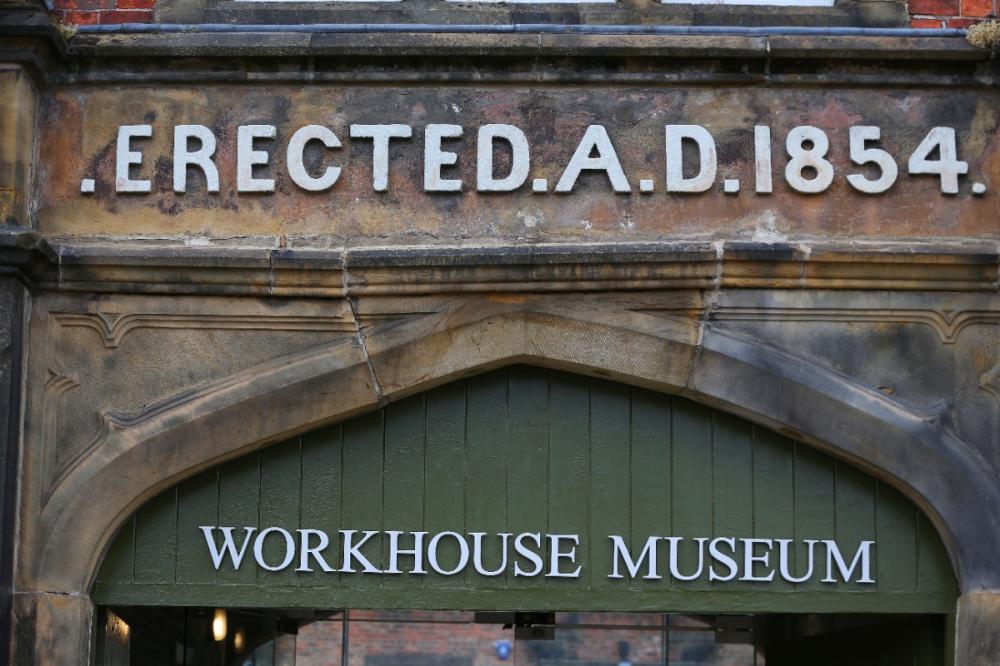
Photo: Lorne Campbell/Guzelian photography
Ripon's workhouse, built in 1854, is one of the most complete Victorian workhouses left standing in Britain — which is a polite way of saying that most of the others have been knocked down, converted beyond recognition, or quietly forgotten. This one nearly went the same way. Acquired by the Ripon Museum Trust in 2017, the Residents' Block — the largest building on site, where paupers ate, slept and worked — had spent the intervening decades as a care home and then council offices and was, by any reasonable assessment, falling down. Leaking roof. Rotten windows. History disappearing under strip lighting and partition walls.
The funding from the National Lottery Heritage Fund, along with support from the Wolfson Foundation, the Garfield Weston Foundation, and North Yorkshire County Council, has provided more than just a fresh coat of paint. It's the building getting its story back. The Old Men's Day Room, the kitchen, and the dining hall have all been restored to something closer to what they actually were, rather than what forty years of institutional use had made of them.
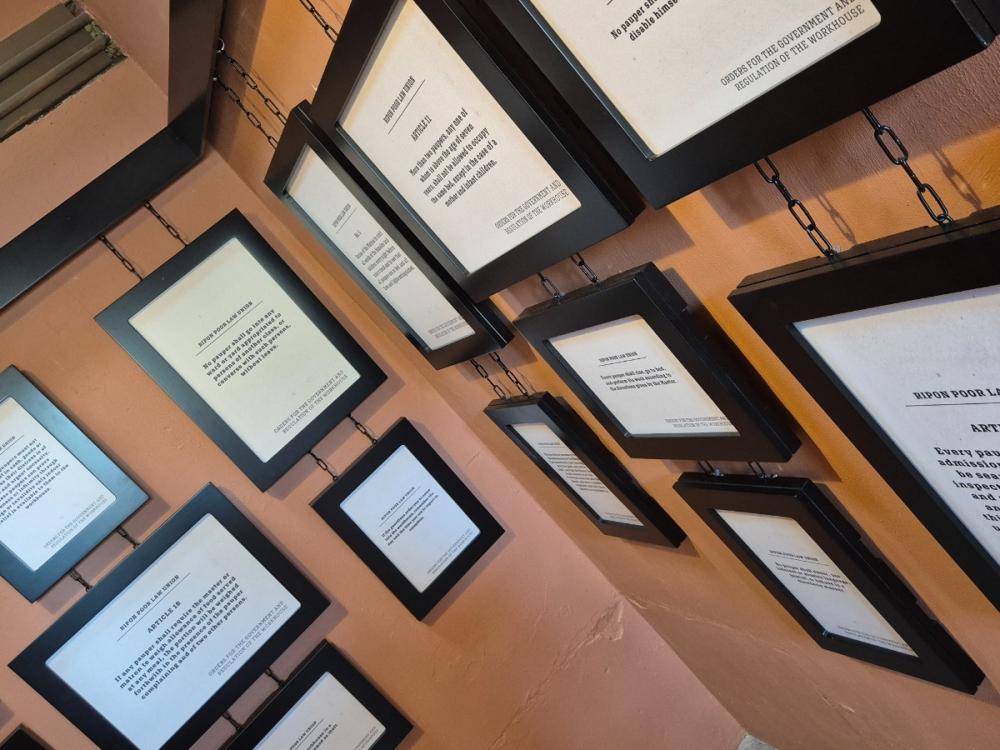
Some of the 200 laws on display
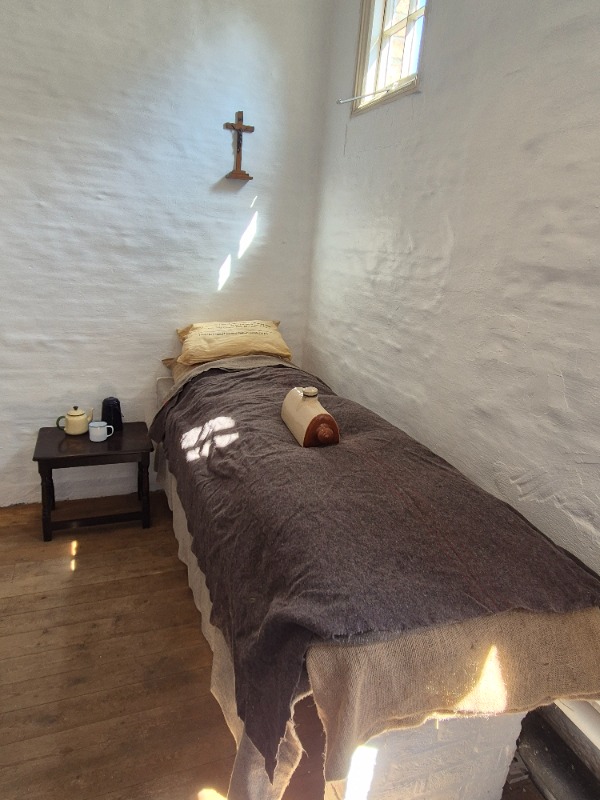
A men's vagrant cell
The genius of the new visitor route lies in its ability to not only inform you about the workhouse system but also to guide you through the experiences of the people who actually lived it in the order that those events occurred.
.jpg)
Vagrant graffiti
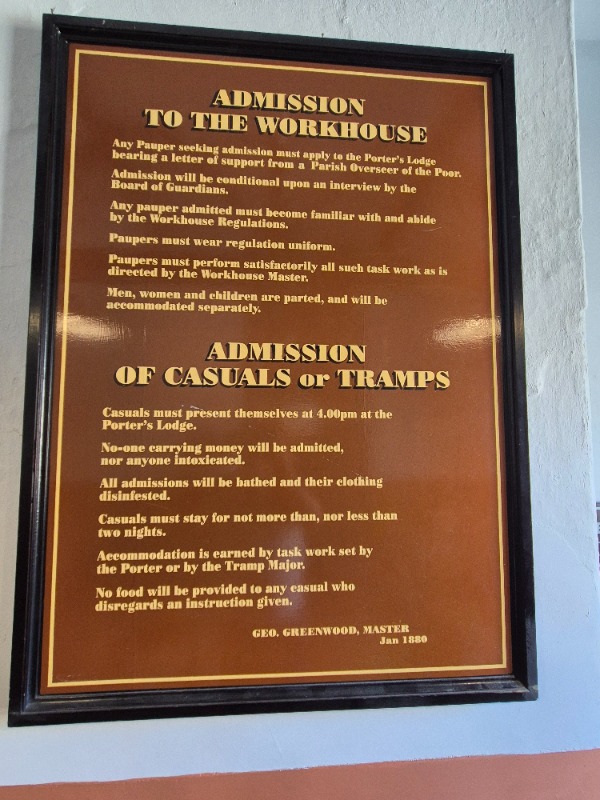
Upstairs, before any of that, sat the room where your fate was actually decided: the Board of Guardians, to whom you had to plead your case for admission – watched over, for over two decades, by a chairman who happened to be the son of a serving prime minister. The Marquis of Ripon chaired the board from 1877 to 1900 and campaigned, from that same chair, for better treatment of the poor he was there to judge – one of the odder and more human contradictions the museum doesn't shy away from.
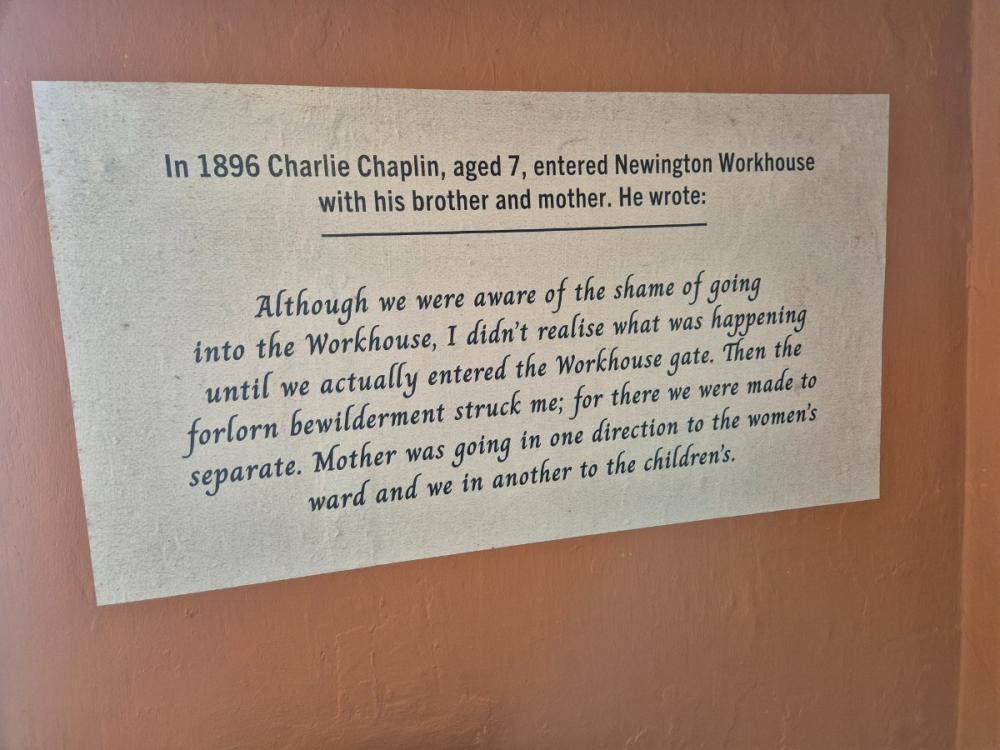
What lifts the exhibition from grim theatre into something genuinely moving is that none of it stays abstract. The museum has gone looking for names and found them.
There's Selina Collinson Jacob, raised in the Unicorn Hotel by a father who was both alderman and mayor, who grew up believing service to the town was simply what you did and became the first woman elected to the workhouse's Board of Governors. She insisted on eating with the paupers — against the Master's wishes — decided the food wasn't fit for a dog and made sure it was changed. It's a small act of dining-table defiance that improved actual lives, and it's the sort of story you don't get from a plaque; you get it from a museum that's done the work of finding her.
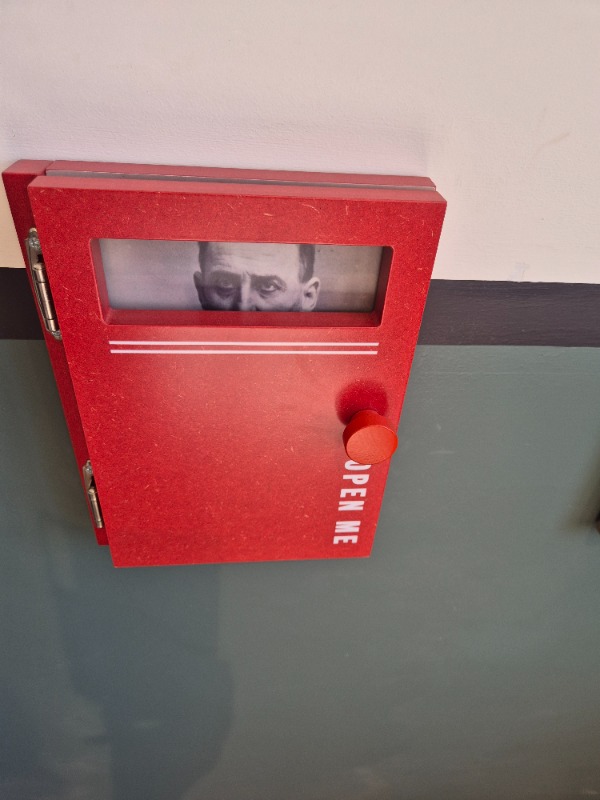
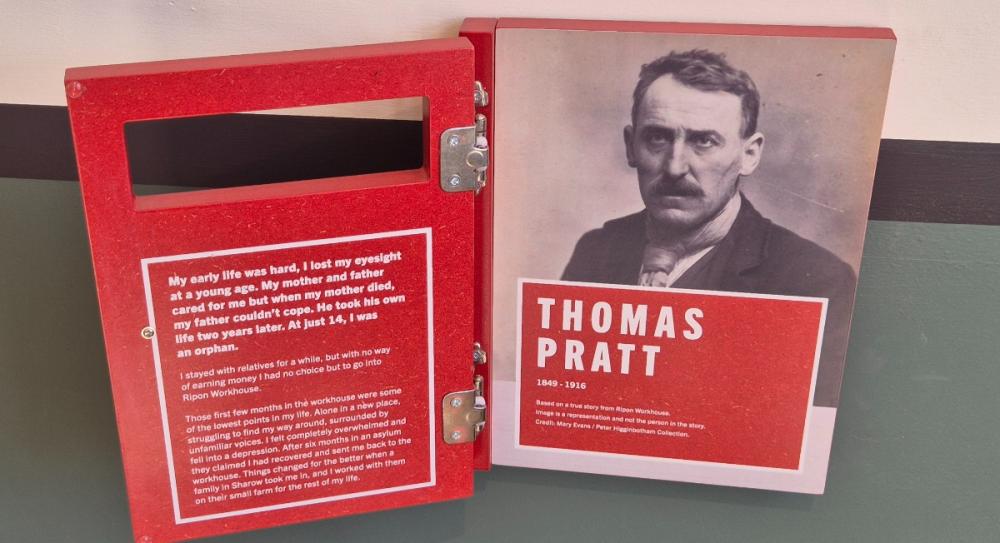
The vagrants barely appear in the records at all unless they broke a rule — refused work, wrecked a uniform — and ended up in front of a magistrate. Their voice survives, if anywhere, in the graffiti scratched onto cell walls – not from Ripon at all, more often, but carried in from other workhouses on the road, a kind of underground correspondence between people who, otherwise, left no trace.
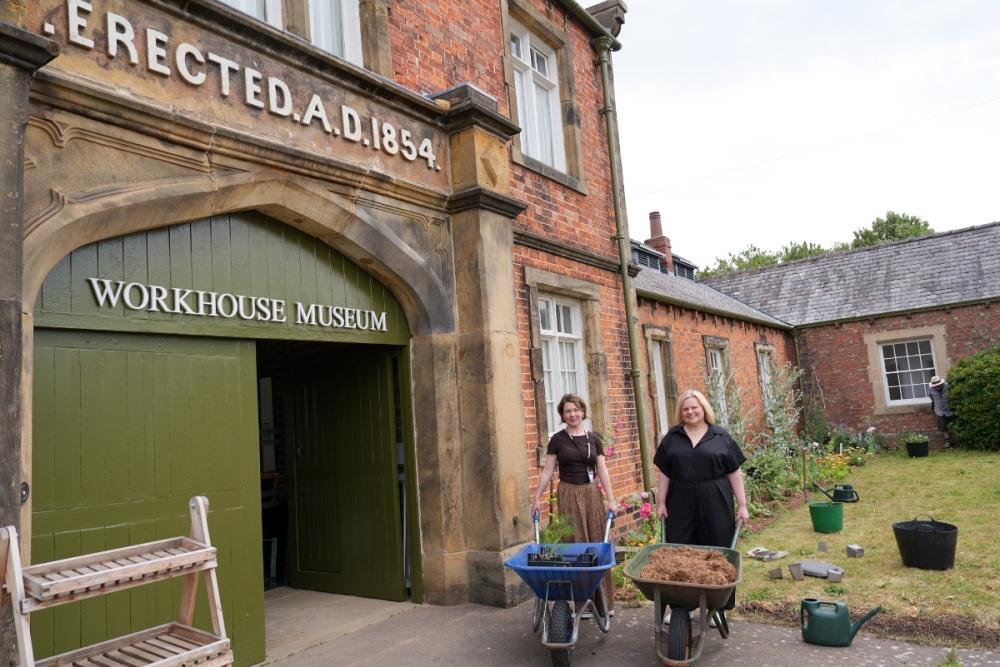
(L-R)Alexa Vernon, Director of Ripon Museums Trust & Dr Laura Allan curator
Photo: Ripon Museums Trust
Nobody involved in this project is pretending the parallels with today are subtle, and to their credit, they don't try to be. Alcoholism, mental health crises, family breakdowns, and soldiers who returned from war but never fully reintegrated into civilian life are all reasons why people became destitute in 1854; distressingly, these same issues contribute to current destitution. The difference, as Dr Allan puts it, is that there was no NHS, no welfare state, nothing else to fall back on. The workhouse wasn't a choice among options. It was the only one, and everybody involved understood it as a last, shameful resort.
That's the case the museum is quietly building across its whole trio of sites — Workhouse, Prison & Police; Courthouse — all within a short walk of one another on the same Ripon streets. By following the same person through their experiences of poverty, magistrate's judgement, and time in a prison cell, visitors gain a deeper understanding of the interconnected Victorian system of consequences rather than just experiencing three separate events that coincidentally share a car park.
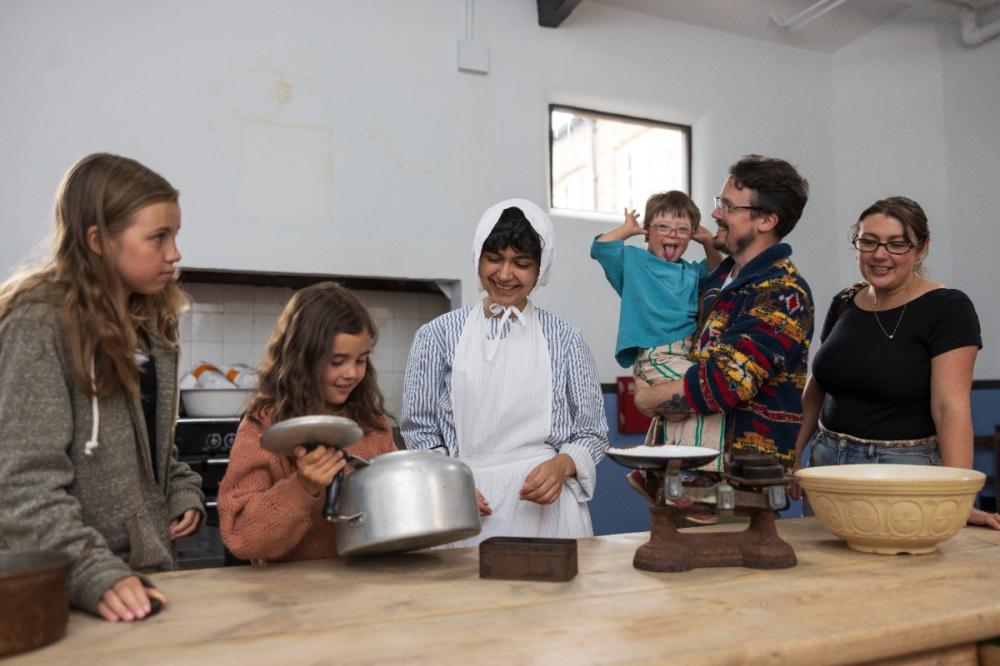
Plenty to do: Zoe, 7, Tom 5, and Laurel, 10, with porridge lady Liz Penwill, Visitor Experience Officer
Photo: James Glossop Photography
The new Discover Space is where the museum lets go of the nineteenth century and asks what all of this means now. A collaboration with students from Evolve College, responding to what they heard about workhouse routines and rigidity, has produced Weaving a Yarn—including a loom built specifically to represent the monotony and rigid structure of workhouse labour, its cardboard weave standing in for voices that were barely heard at the time and can't, in any literal sense, be heard now. Elsewhere, Poppy Nash's textile art sits alongside that of Lorina Bulwer, whose extraordinary stitched scrolls remain one of the only surviving examples of a pauper speaking, in her own words, from inside the system that confined her.
It would have been easy to leave all this in the past tense. The museum, sensibly, doesn't.
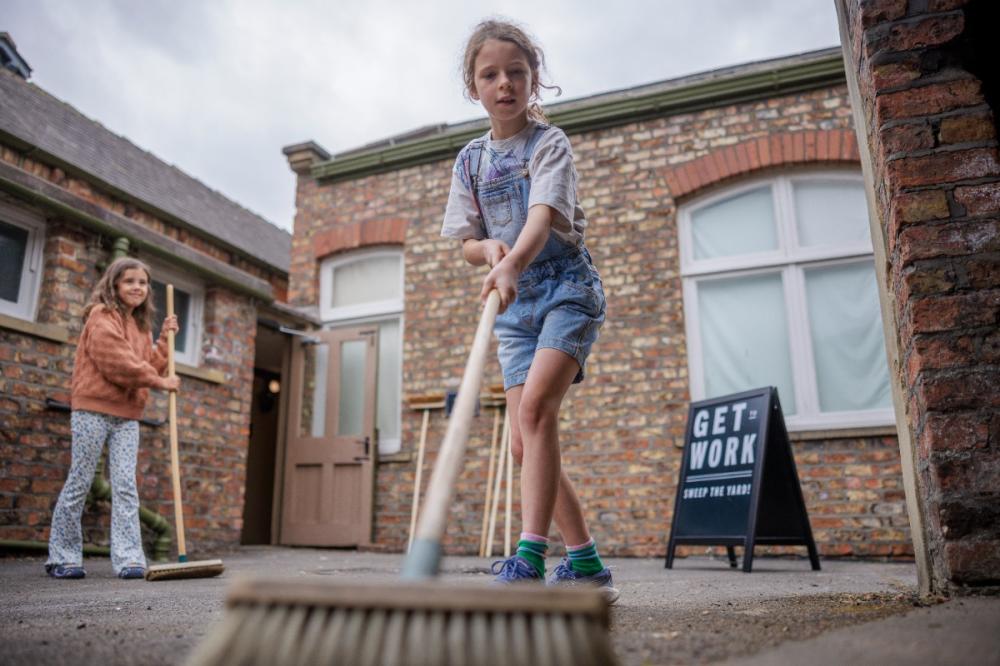
Photo: James Glossop Photography
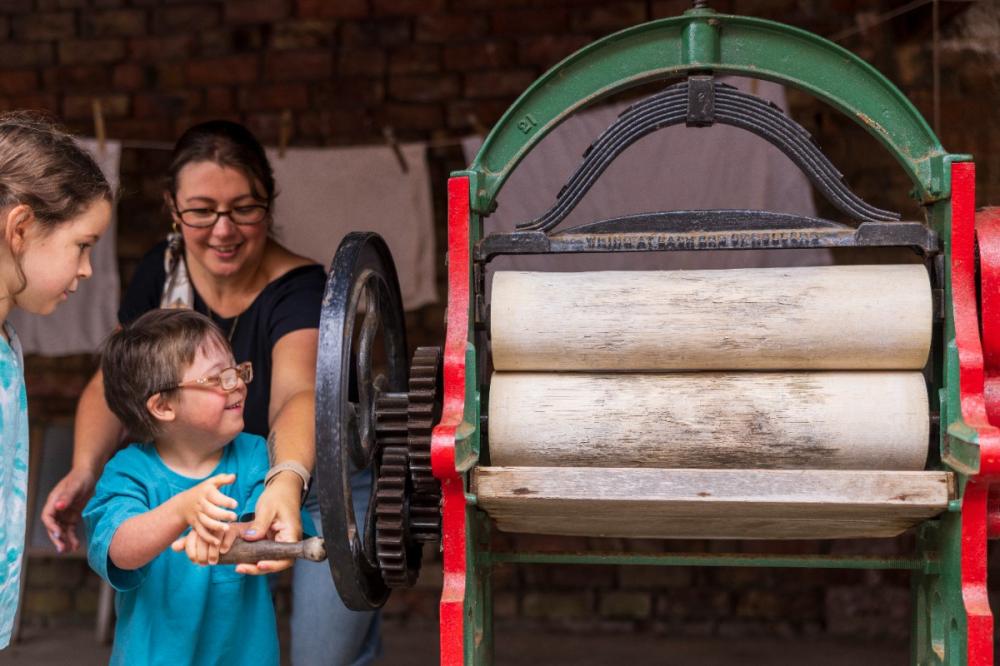
Photo: James Glossop Photography
Bringing the children in gently
None of this is pitched as too grim for young visitors — quite the opposite. A dedicated children's trail will run alongside the main experience, turning workhouse chores into something closer to a treasure hunt: youngsters hunt for hidden mice tucked around the kitchen, weigh out meagre rations on genuine period scales to see just how little a day's food actually was, and can spin an interactive wheel in the Guardians' Room to discover what fate the Board might have decided for them. It's a clever piece of design — the history doesn't get softened, but the way into it does, and it means a family day out here works as one, rather than being a solemn trudge for the adults with the children trailing bored behind. Dress-up uniforms and photo opportunities do the rest. For a museum whose survival depends on more than one generation of visitors walking through the door, that's not a minor detail — it's the difference between a heritage site and a living one.
Should you go?
Yes—take the time to explore and experience the self-guided trail, which is designed to be walked in order from vagrant to pauper and finally to master or matron; skipping ahead will cause you to miss important elements. Go for the immersive sound design in the vagrants' cells, which does more to convey a workhouse night than any information panel could. Go for the cellar, and for Selina Collinson Jacob, and for whichever object stops you in your tracks — everyone I spoke to had a different one. Take the children, and allow them to interact with the wheel, the mice, and the mangle; they will absorb more history this way than from being told to be quiet and read the panels. Go, if you're feeling brave, for the gruel.
Workhouses like this one closed for good in the early twentieth century, dismantled along with the entire system of deterrence and shame they were built to enforce. It is tempting to file that away as progress and move on. But walk the route Ripon has built — from vagrant to pauper to, finally, the vantage point of the people who ran the place — and the comfortable distance between 1854 and now becomes steadily harder to hold on to. The reasons people end up with nowhere else to go haven't changed nearly as much as the buildings have.
Ultimately, that is what lingers in your memory. Not the mangle. Not the fumigation chamber. Not even the gruel. It's the recognition – quiet and a little unwelcome – that the workhouse was never really about the Victorians at all.
Opening times
Museums are open seven days a week from Saturday 14th February to Sunday 22nd November 2026
Workhouse Museum 10am – 4pm
Prison & Police Museum 10am – 4pm
Courthouse Museum 1pm -4pm
Tickets are valid for 12 months with unlimited return visits.
Blue Light Card holders may enjoy 10% off their ticket prices.
Visit all three museums with the annual pass, which gives entry to the Workhouse Museum & Garden; Prison & Police Museum and the Courthouse Museum:
Adult: £19.00
Child: £10.50
Concession: £18.00
Family & Friends: £38.00 (2 adults and up to 3 children)
Small family: £28.00 (1 adult, 1 child)
Photo: James Glossop Photography
Also by Andrew Palmer...
Brighton '84, A Devastating Hour In Room 102Classical Music: Mahler's Symphony No. 3 in D minorClassical Music: Beethoven String Quartets Vol 3Classical Music: Janáček The Excursions Of Mr BroučekClassical Music: Elena Ruehr: Violin Concerto No. 1The shortened address for this article is: newspub.uk/32088
Search Results