



search
date/time

Sun, 1:00AM
broken clouds
13.8°C
WSW 6mph
broken clouds
13.8°C
WSW 6mph
 | Sunrise | 4:15AM |
| Sunset | 8:10PM |  |

Andrew Palmer
Group Editor
P.ublished 1st August 2026
arts
Review
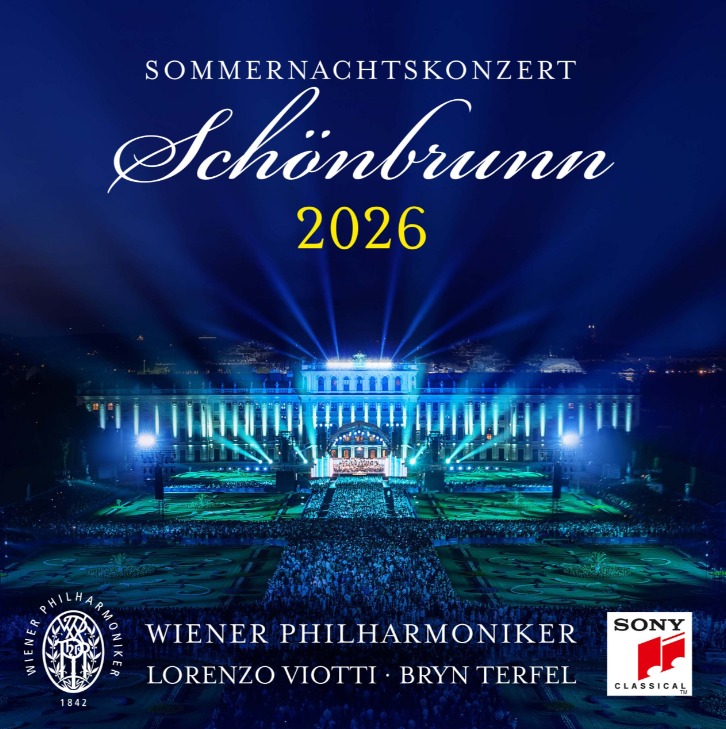
Classical Music: Vienna Philharmonic Sommernachtskonzert Schönbrunn 2026
Summer Night Concert: Open-Air Concert on the grounds of Schönbrunn Palace
Suppé Leichte Kavallerie: Overture; Boito Mefistofele: Son lo spirito che nega; Puccini Manon Lescaut: Intermezzo; Verdi Falstaff: Ehi! paggio! … L’onore! Ladri! Tchaikovsky The Nutcracker: Trépak; Price Adoration; Korngold Straussiana; Wagner Das Rheingold: Abendlich strahlt der Sonne Auge; Massenet Thaïs: Méditation; Ravcel Daphnis et Chloé: Suite No. 2
Bock- Fiddler on the Roof: If I were a rich man. + encores
The Vienna Philharmonic, Lorenzo Viotti.
Sir Bryn Terfel, tenor & The Vienna Boys' Choir
Sony Classical 19958462019
Terfel's programme was a tour through operatic devilry and domestic devotion: arias from Boito's Mefistofele and Verdi's Falstaff, the finale of Wagner's Das Rheingold, and — least expected of the four — Tevye's "If I Were a Rich Man" from Fiddler on the Roof. You sense the actor in him before the singer; even through speakers, the characterisation carries. His account of Wotan's "Abendlich strahlt der Sonnenauge," as the gods process into their ill-gotten Valhalla, has the authority of a man who owns the room he isn't in — commanding, unhurried, entirely at home in music the orchestra clearly considers home turf too. Tevye, by contrast, is all warmth and comic timing, and Terfel judges the shift without ever letting the evening tip into pastiche.
Elsewhere, Tchaikovsky's Trepak arrives as a bracing shot of Cossack energy between the grander statements, while the Méditation from Massenet's Thaïs — absent from Philharmoniker programmes for over a century — is exactly as its title promises. Ravel's Daphnis et Chloé Suite No. 2 is where the orchestra's sectional strengths get their proper airing: woodwind birdsong so vivid you can almost place yourself among the plane trees, closing on a daybreak that lingers in the memory long after the final chord.
Two encores sent the crowd home smiling: Zequinha de Abreu's Tico-Tico no Fubá, still cheerfully catchy nearly a century after Carmen Miranda made it famous, and the inevitable, irresistible Johann Strauss II Wiener Blut waltz. A summer night's concert, then, that survives the journey from Schönbrunn to your speakers rather better than most.
Also by Andrew Palmer...
Classical Music: Contemporary Uzbek Music for Clarinet and PianoCrossover Albums: Revival: The New Album by ReductioThe Milner York: Grandeur At The End Of The PlatformA Stunning Conclusion: Romeo and Juliet Brings The Curtain Down On Ripon Theatre Festival 2026Classical Music: Martha Argerich: A- Z Schumann - TchaikovskyThe shortened address for this article is: newspub.uk/320de
Search Results