



search
date/time

Fri, 7:00PM
overcast clouds
15.1°C
NNE 9mph
overcast clouds
15.1°C
NNE 9mph
 | Sunrise | 4:52AM |
| Sunset | 7:27PM |  |
P.ublished 21st August 2026
frontpage
Three In Ten Drivers Now Have A Dashcam And Are Using Footage To Support A Claim – The AA
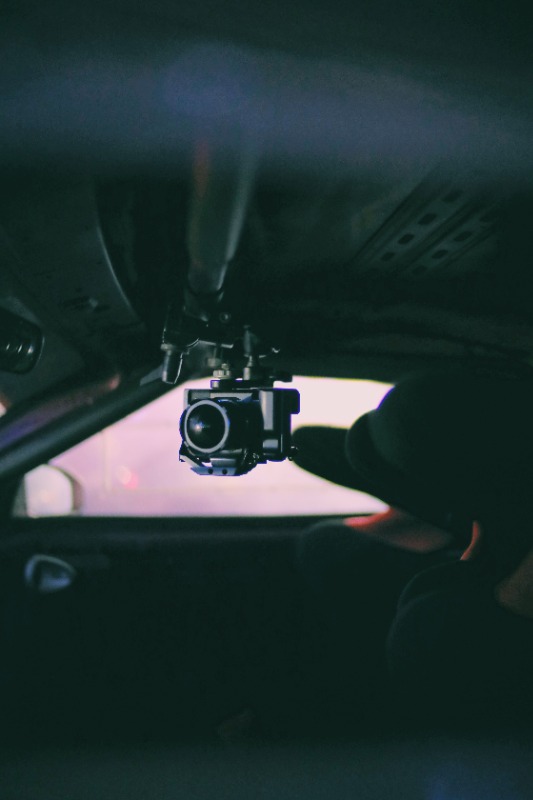
Image: Bruno Massao on Pexels
The AA’s Accident Assist claims service is reminding drivers that footage showing the moments before and during a collision may help claims handlers understand the sequence of events and reach a clearer decision about liability. While dashcams have moved closer to the mainstream, most owners have never had to use the footage. Of those that own a dashcam, seven out of 10 drivers (71%) have not needed to use footage from their camera.
However, 7% of drivers have submitted dashcam footage to help their claim following a crash. According to the ABI, 2.5 million private motor insurance claims were made last year, meaning that camera evidence could have been available to help understand the reasons for the collision and assist handlers determine liability for around 175,000 cases.
A further 5% have submitted dashcam footage to the police to highlight examples of poor driving standards. Operation Snap is police scheme available for drivers in England and Wales, whereas drivers in Scotland and Northern Ireland can submit evidence via general online reporting forms. Meanwhile 3% have uploaded footage to the internet, such as Facebook, YouTube or TikTok which typically show examples of bad driving, near misses and crashes.
Dashcams have clearly become a more established part of the driving landscape over the past few years. The uptake shows many drivers see real value in having an independent witness on board.
Despite the growth in on-board cameras, for most drivers, dashcam footage is something they rarely use. Around seven in ten owners have not needed to use the clips, but, where video evidence has been sent alongside a claim, it can help adjudicators come to a better conclusion when deciding liability.
The footage is incredibly valuable where there is a disagreement about what happened during the collision. While it may not determine liability on its own, it can give claims handlers useful additional evidence when assessing a claim. We encourage those that have footage available to let their claim handler know when reporting the incident.
Schemes such as Operation Snap allows drivers with footage of dangerous driving to take action. Officers regularly review the uploaded evidence and act where necessary to help tackle poor driving standards. This in turn helps improve road safety with prosecutions for the most serious offences. However, dashcams and the goodwill of those that have them, should not be seen as a replacement for traffic officers.
The shortened address for this article is: newspub.uk/320o3
Search Results