



search
date/time

Sat, 4:00PM
broken clouds
10.5°C
NE 9mph
broken clouds
10.5°C
NE 9mph
 | Sunrise | 4:39AM |
| Sunset | 7:28PM |  |
P.ublished 25th April 2026
lifestyle
The Dangers Of Self-Diagnosis In The Age Of Social Media
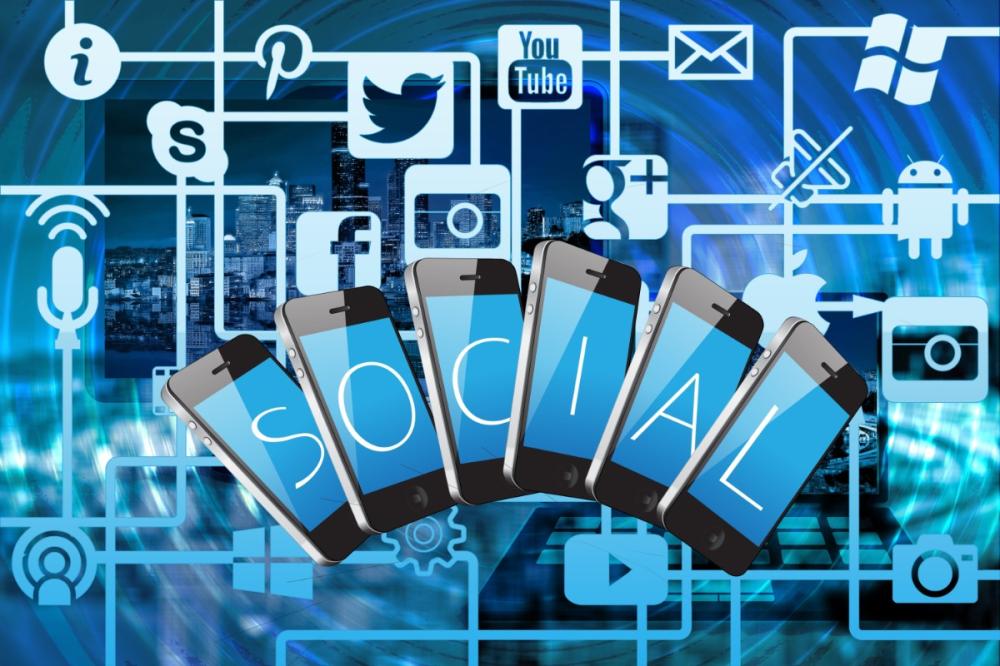
Image by Gerd Altmann from Pixabay
Mental health expert Noel McDermott comments: “Self-diagnosis is never a good idea no matter the source. All humans filter experience and as a psychological professional one of the skills I give to patients is developing a network of people to help them identify when they are struggling. Lack of insight into being ill is a part of the diagnosis of any mental health condition. It’s a part of the condition and insight is only gained from interacting with others. Often diagnosing there is a problem requires an understanding of the individual's normal baseline functioning as we are all unique. It’s the changes to this individual normal that indicates a problem, not a deviation from any made up normal discovered online. Additionally, a professional making a diagnosis has two things that are essential, qualifications and ongoing professional learning and experience over time. The other thing they will have will be some accountability. They have skin in the game. If they get it wrong there will be consequences for them.
The motivation behind social media creators
A TikToker, YouTuber etc won’t have any of these things. They will have a drive to generate followers and interactions and in many cases a motivation to sell products and services from their sponsors. The business model of online platforms is money for the audience, either payments due to having a lot of followers or sponsorship for being able to promote products and services. A health professional on the other hand has a business model based upon helping people and that help is defined by evidence and that professional has legal duties to work within their competencies, to stay in their lane. Ill-informed and unaccountable quacks online cause harm directly to people. Many will remember the epidemic and the proliferation of false medical information that happened. The Covid enquiry has stated categorically that use of the vaccines saved millions of lives. That’s not an opinion, it's a fact. If TikTok had determined public health policy during the pandemic millions would have died in the UK, again that’s a fact.
With issues around psychological health and wellbeing the issues are just as stark. Most of what influencer's offer is in the realm of fiction. If there are any facts in the content it’s either by accident or simply a hook into some snake oil. It’s important because figures worldwide show preventable mortality from mental health disorders as one of the leading causes of death, add in disability and the figures jump significantly*. Psychological disorders lead to preventable deaths and disabilities at an alarming rate. Suggesting for example that people should use Facebook to diagnose and cure their cancer would be seen by most people as reprehensible. The stakes are just as high with mental health issues. It is the case for example that in most countries around the globe pretending to be a medical doctor and offering medical services without license is a criminal offence. And it should be because it’s life and death, but so is mental health. The issue is why do these platforms allow content that is dangerous in this manner? Money it seems is the influencer here.
The danger of online influencers
Most people don’t understand that a regulated health profession has to follow ethical guidelines that constraints what they say and do. There is usually some version of the wording, ‘honest and truthful’ in dealings with the public. Online influencers have no such constraints on them. Influencers and content can literally lie just to get a large audience and that large audience is the goal. Not honesty, not truthfulness and not the complex task of helping someone with complex mental health issues. A content generator who is also a health professional will be aware of the need to chase the issues, but will also be constrained by ethical guidelines. Their survival (income) isn’t dependent on clicks but on helping people get well. They can’t do that if they lose their license by lying and cheating.