



search
date/time

Sun, 10:00AM
light rain
14.5°C
SSW 7mph
light rain
14.5°C
SSW 7mph
 | Sunrise | 5:21AM |
| Sunset | 6:48PM |  |
P.ublished 10th February 2025
travel
Sustainable Tourism in the Caribbean: Your Next Luxury Eco-Friendly Escape?
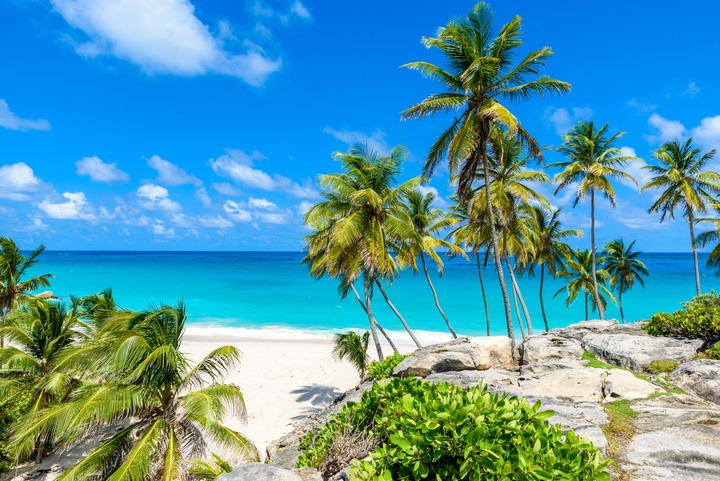
The Caribbean might not instantly spring to mind when it comes to the world’s most sustainable tourist destinations, but joint environmental efforts across many of the Caribbean’s islands has ensured today’s holidaymakers can enjoy a guilt-free getaway to one of the world’s most naturally beautiful regions.
Here, we take a look into the world of sustainable tourism, consider how the Caribbean has improved its green credentials over the years, and outline what that means for your next getaway.
How big is sustainable tourism?
The market for sustainable tourism is booming, with 81% of travellers believing that sustainable travel is important and a further 43% prepared to pay more to ensure their holiday comes guilt-free.
Projections suggest the sustainable tourism industry will experience a compound annual growth rate (CAGR) of 23.8% over the next 10 years, supported by increased sustainability awareness amongst the younger generation.
Another 43% choose more environmentally friendly transport options and 40% stay in accommodation that’s actively looking to lessen its environmental impact.
It's worth noting that flying is never a particularly sustainable activity. However, flying long-haul is less carbon-intensive per mile than flying short-haul; the acts of take-off and landing, which consume the most energy, represent a smaller percentage of the overall journey of a long-haul flight. If your heart is set on flying, make the most of your miles.
A June 2024 study found that 73% of UK adults wanted the UK government to do more to promote sustainable tourism:30% asked for tax incentives for airlines to invest in more fuel-efficient aircraft, with 27% asking the new government to bring in sustainable travel partnerships and certifications for green destinations.
Until there’s a dedicated government policy, however, the onus is on eco-conscious holidaymakers to make their own getaways sustainable, through the selection of sustainable holiday destinations and unintrusive holiday activities.
How has the Caribbean become an eco-tourist’s paradise?
Many countries in the Caribbean are working towards nationwide sustainability; Barbados has had a national strategy for carbon neutrality in place since 2019.
The country is striving for net zero emissions on a number of fronts, aiming to plant one million trees and be 100% reliant on renewable energy by 2030.

They’re not alone: the Bahamas, Belize, the Dominican Republic, Grenada, Jamaica and Trinidad and Tobago also joined the fight against plastic pollution, drastically limiting the region’s reliance on disposables.
“The Caribbean is in a unique position,” comments Chris Pitt, Concierge Manager at Royal Westmoreland, provider of villas for sale in Barbados, “in that such a high proportion of our nations’ income is reliant on tourism.
"In Barbados, tourism accounts for 33% of the country’s jobs, but the legacy of accommodating tourists has, historically, resulted in a lot of wastage.”
Things have changed drastically in recent years, however – Sustainable Travel International has partnered with Barbados Tourism Marketing Incorporated (BTMI) to deliver Net Zero training sessions for the local tourism industry – covering everything from hoteliers to transport providers.
All of these efforts have been made with a wider goal in mind – the respect and preservation of the region’s natural beauty.
Sustainable St. Lucia’s forests are packed with indigenous wildlife, from the rare Jacquot parrot to the island’s mascot, the Lucia Oriole. Visitors to Puerto Rico will hope to catch a glimpse of the critically endangered Mona ground iguana, the island’s largest indigenous lizard.
Locals and wider initiatives alike have taken matters into their own hands when it comes to marine life, building ingenious metal frames that encourage coral to reattach, growing the reef.
So, if you’re thinking about making a trip abroad for a bit of seasonal sun without feeling guilty, look no further than the Caribbean. Conscious, considered and certainly charming, the region’s sustainability credentials have made it a must-visit destination for those looking to limit their impact on the planet and experience the region’s magical wildlife.
Editorial courtesy of Barbados’ west coast beach and golf resort, Royal Westmoreland: https://www.royalwestmoreland.com/ownership/
The shortened address for this article is: newspub.uk/31tik
Search Results