



search
date/time

Fri, 4:00AM
few clouds
6.1°C
S 13mph
few clouds
6.1°C
S 13mph
 | Sunrise | 5:33AM |
| Sunset | 6:45PM |  |

Ian Garner
Business Writer
P.ublished 3rd January 2026
business
Starting A Business In 2026, So What’s Different Now?

Image by Gerd Altmann from Pixabay
If there’s one clear change recently, it’s that any business not thinking “digital-first” is already behind. In 2026, customers expect to browse, buy, and interact online.
Whether you’re opening a bakery, launching a consultancy, or offering niche services, your online presence is non-negotiable.
There are tools that let you build your own online store and sell products through your website. There are website builder tools that allow people to easily create beautiful websites without needing to code and social media platforms that let users buy products directly from videos, live streams, or a creator’s profile.
AI-powered platforms, such as ChatGPT or Microsoft CoPilot, are helping entrepreneurs streamline content creation, automate administrative tasks, and stay organised without needing a large team.
.jpg)
Image by Gerd Altmann from Pixabay
Recently, the UK government has simplified business registration, with Companies House making it possible to set up a limited company in under an hour online.
Data protection, AI usage, and sustainability reporting are becoming more tightly regulated. From April 2025, stricter environmental impact reporting kicked in for SMEs in certain sectors, a reflection of the UK’s Net Zero commitments. Entrepreneurs must be prepared for compliance costs and transparency expectations.
Traditional bank loans are one option, but often not the best one. Crowdfunding platforms, angel investor networks, and revenue-based financing are now mainstream. In addition, government-backed schemes like the British Business Bank’s Start Up Loans and Innovate UK grants remain active sources of early-stage support.
Investors in 2026 want more than just a solid idea; they want values, sustainability, and scalability.
Still, financial caution is key. With interest rates remaining relatively high and inflation still a factor, entrepreneurs must forecast carefully and avoid overstretching in the early stages.
Post-pandemic and post-Brexit, British consumers are more value-driven. Local sourcing, ethical practices, and transparency matter more now than ever. Younger consumers, in particular, want to support businesses that align with their values, not just offer low prices.
This phenomenon presents both a challenge and an opportunity. It forces new businesses to define their brand purpose early but also build stronger customer loyalty for those that get it right.
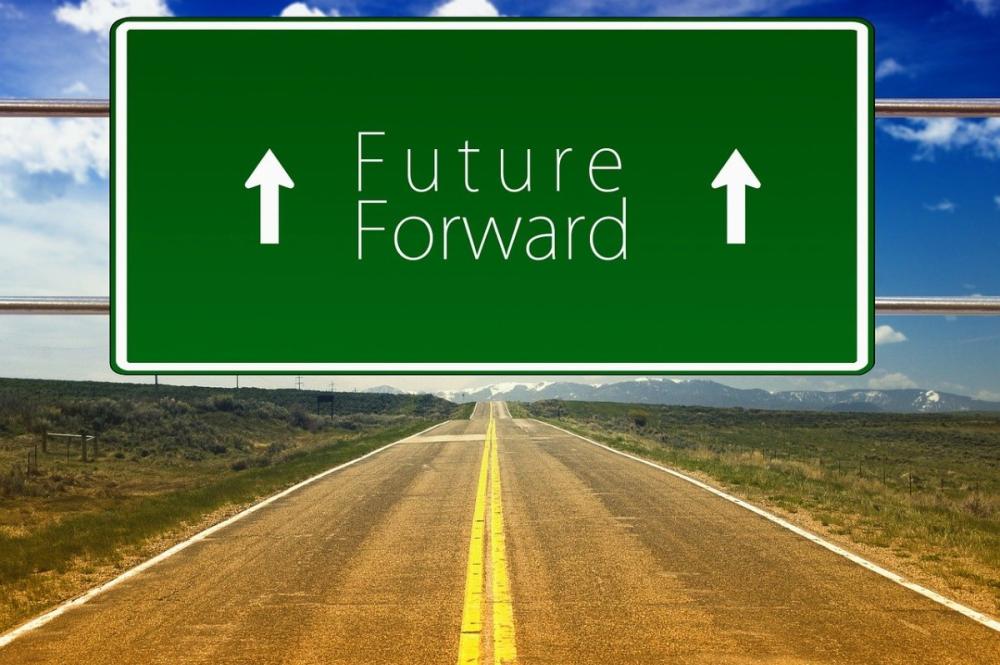
Image by Gerd Altmann from Pixabay
There are platforms that enable entrepreneurs to test ideas, generate income, and build a customer base before quitting the day job.
Starting a business in 2026 requires more than just passion. It demands tech-savviness, regulatory awareness, and a clear sense of purpose. The UK remains a vibrant place to build something new, but the rules have changed.
For aspiring entrepreneurs, the path forward is both exciting and uncertain. But with the right tools, values, and mindset, this may just be the perfect year to take the leap.
Muhammad Ali, possibly the world’s greatest heavyweight boxer, famously said, “Don’t count the days. Make the days count."
Sounds like great advice from a real ‘heavy hitter.’

Also by Ian Garner...
Why Fractional Roles Are Reshaping Modern Business LeadershipIntelligence Meets Emotion, The True Formula For SuccessMastering International Business Etiquette, A Guide For First-Time Meetings AbroadWhere Is The Value In Performance Appraisals?What Do Recruiters Mean By Cultural Fit