



search
date/time

Sat, 7:00AM
overcast clouds
12.3°C
W 12mph
overcast clouds
12.3°C
W 12mph
 | Sunrise | 5:20AM |
| Sunset | 6:50PM |  |
P.ublished 4th September 2026
business
Stadiums Urged To Put Ageing Concrete Steps On The Safety Agenda
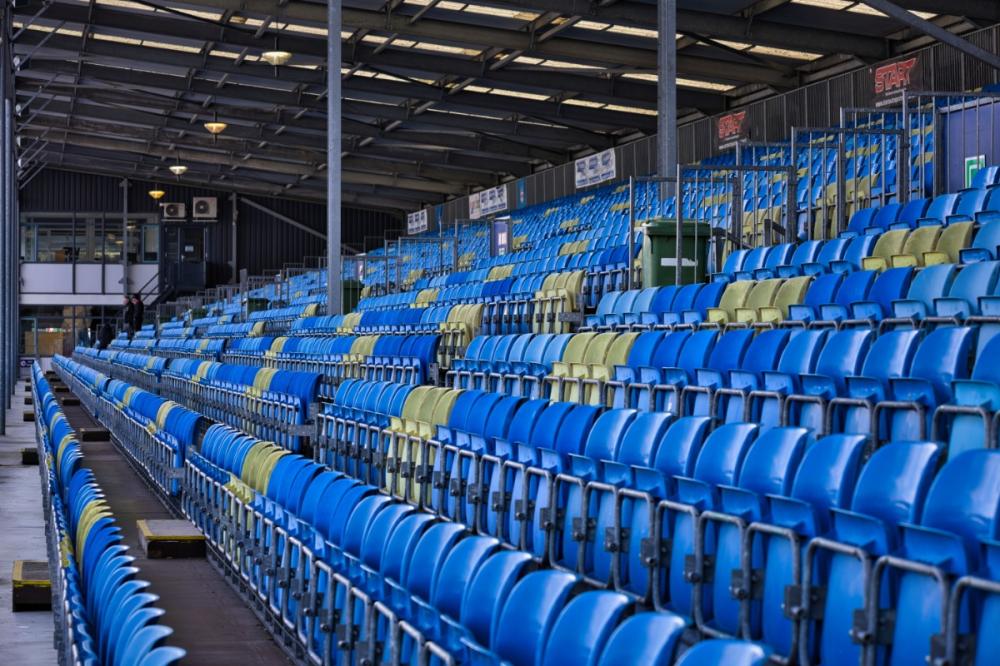
Image by Wolfgang Vrede from Pixabay
Concrete steps aren't the problem; they have been used successfully in stadium construction for generations because they are strong, durable and capable of withstanding enormous levels of footfall. But years of constant use, exposure to the elements and general wear can gradually change the condition and performance of steps that may have been in place for decades.
At the same time, the demands being placed on stadium infrastructure have changed. Venues are hosting everything from Premier League football and international sport to concerts and major entertainment events, while safe standing and changing spectator behaviour mean fans are increasingly on their feet and moving around venues. Expectations around accessibility, fan experience and duty of care have also moved on significantly.
The result is a challenge facing stadium operators across the country, which is how to ensure infrastructure designed and installed many years ago continues to meet the demands of the modern spectator environment. That issue has been thrust into the spotlight following a Telegraph Sport investigation into football ground safety. It revealed that 1,303 spectators were treated for injuries across the top four divisions of English and Welsh football last season, alongside hundreds of slips, trips and falls at stadiums each year.
Thermapply has spent years developing its patented Thermagrip® anti-slip system to tackle this challenge, upgrading existing concrete steps with a durable, high-grip surface rather than requiring them to be replaced.
The solution is already being used at major sporting venues including Hampden Park, Scottish Gas Murrayfield and Queens Park Rangers, and was identified by The Telegraph as one of the leading anti-slip technologies being adopted within professional sport.
Mike King, Joint Managing Director at Thermapply Group, commented: “This isn't about saying stadiums are unsafe. It's about recognising that infrastructure which has been there for many years is now dealing with enormous footfall, different events and different expectations. Once you know there is a potential risk, you have a duty to understand it and decide whether something can reasonably be done. Waiting until somebody falls shouldn't be the point at which that conversation starts.
"Stadiums spend significant expenditure on hospitality, seating, technology and fan experience. Safety infrastructure needs to sit in that conversation too.”
With clubs now reviewing maintenance and capital investment programmes, Thermapply is offering free site surveys to stadium and arena operators, examining concrete steps and high-footfall areas before problems become incidents.
The shortened address for this article is: newspub.uk/320t3
Search Results