



search
date/time

Sat, 4:00PM
scattered clouds
19.7°C
W 10mph
scattered clouds
19.7°C
W 10mph
 | Sunrise | 3:46AM |
| Sunset | 8:20PM |  |
P.ublished 21st February 2026
nature
Rare Winter Spectacle At Yorkshire Nature Reserve
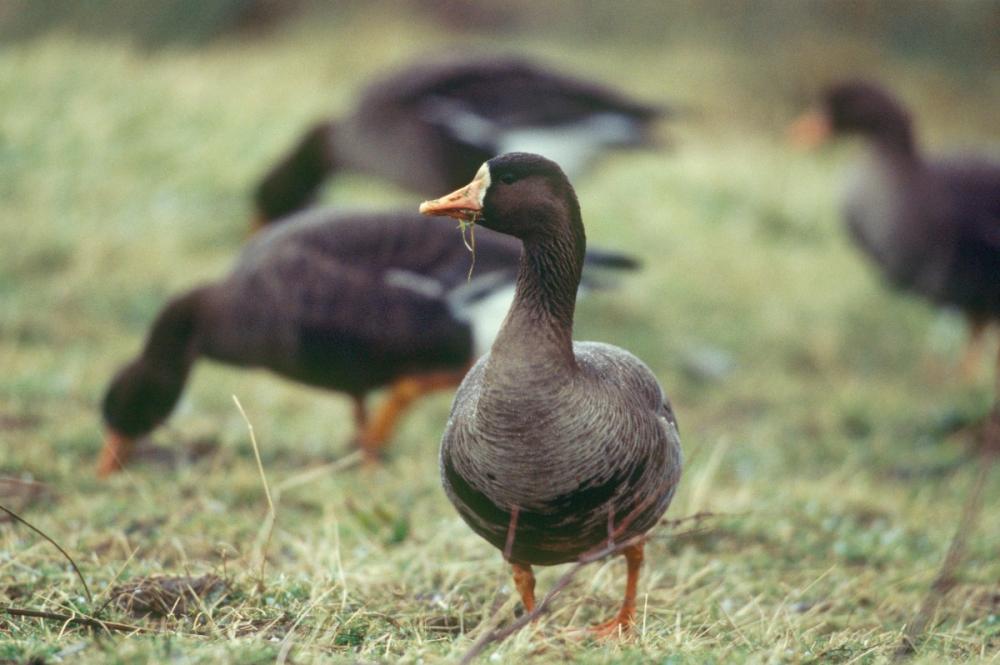
White-fronted geese Anser albifrons (greenland race)
Photo: Andy Hay (rspb-images.com)©
More than 100 White-fronted Geese have been recorded at RSPB Old Moor’s satellite nature reserve, Adwick Washlands, this month, smashing the previous site record of just over 35 birds, set in 2016. The species is rarely seen inland in such numbers and is more typically associated with the coastal grasslands of East Anglia during the winter months.
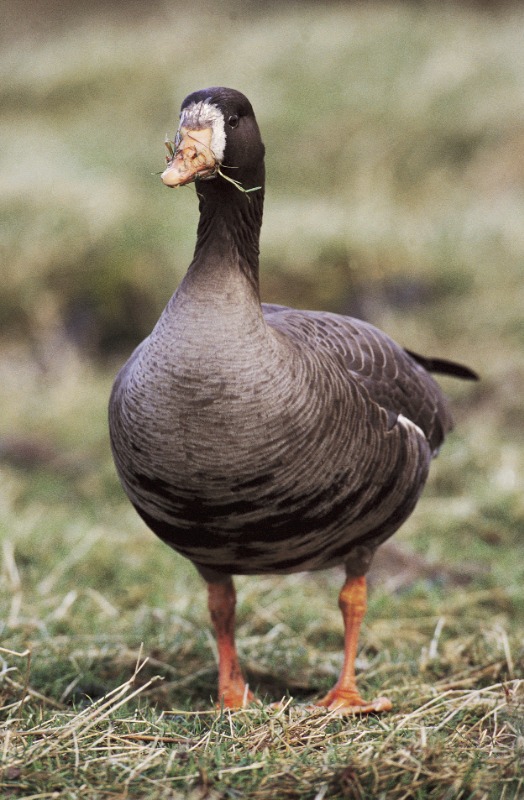
White-fronted goose Anser albifrons (greenland race), adult
Photo: Andy Hay (rspb-images.com)©
The main reason for larger numbers being seen in the UK this month is due to hard weather on the near continent, and unusually heavy snowfall blanketing their usual wintering grounds in the Netherlands and Germany making feeding there difficult. Helped by easterly winds, this has led to a huge influx since the New Year across England and South Yorkshire’s Dearne Valley is one of the spots they have chosen to feed at.
The reserve is currently awash with other species too, all benefiting from the rising water levels, including hundreds of Wigeon, Teal, and Shoveler, plus wading birds such as Dunlin and increasing numbers of Black-tailed Godwits.
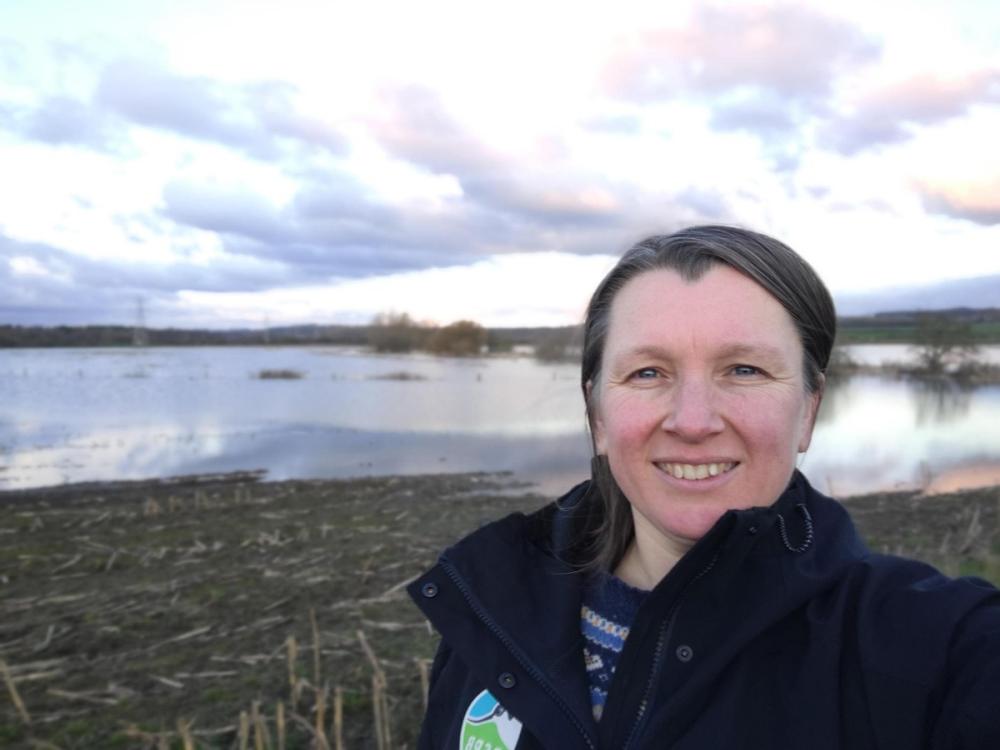
Emma Tuckey at RSPB Adwick Washlands
“To see over a hundred White-fronted Geese here is extraordinary. They are a very scarce winter visitor in Yorkshire and are usually found much closer to the coast. For a Red List species with a relatively small UK wintering population, these numbers are remarkable for an inland site like this.”
White-fronted Geese are distinctive winter visitors, smaller than Greylags, and with their adults having striking black belly markings and a characteristic white blaze at the base of their bill and on their forehead. The legs are orange and Siberian birds have pink bills, while Greenland birds have orange bills. Their presence in such numbers offers a rare opportunity for visitors to see a species that many birdwatchers would normally have to travel to coastal reserves to find.
RSPB Old Moor, the visitor hub within a network of Dearne Valley nature reserves, is South Yorkshire’s biggest nature hotspot and was designated a Site of Special Scientific Interest in 2022. Its mosaic of wetlands, including reedbeds, fen, wet grassland and scrapes, provides vital habitat for wintering and breeding birds alike.
The RSPB manages several reserves throughout the valley which not only provide homes for wildlife but also play an important role in natural flood management, helping to protect local communities. The wet grasslands at Adwick act as flood storage reservoirs in high rainfall events, helping to prevent flooding in the area.
Bird numbers may fluctuate as water levels change, but for now the Dearne Valley is hosting a special and unusual winter spectacle.
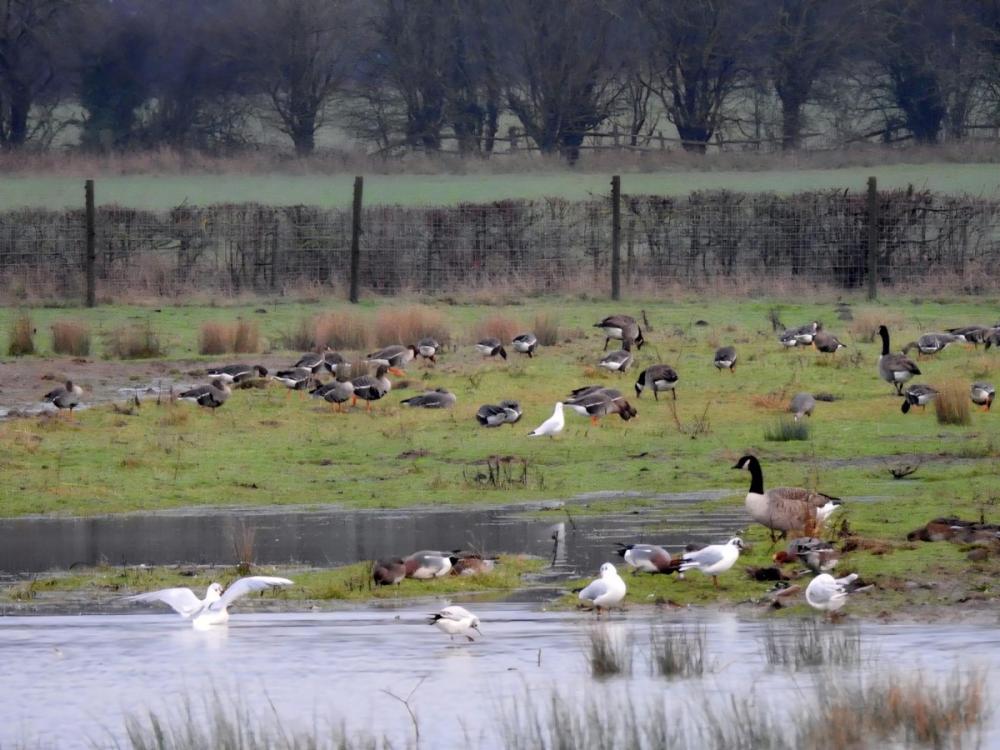
White Fronted Geese at RSPB Adwick Washlands
Photo: Gary Stones