



search
date/time

Tue, 7:00AM
overcast clouds
18.1°C
WSW 16mph
overcast clouds
18.1°C
WSW 16mph
 | Sunrise | 5:38AM |
| Sunset | 6:25PM |  |

Andrew Palmer
Group Editor
P.ublished 22nd July 2026
arts
Opinion
No Town Of Culture Title, But Ripon Already Knows What It's Worth
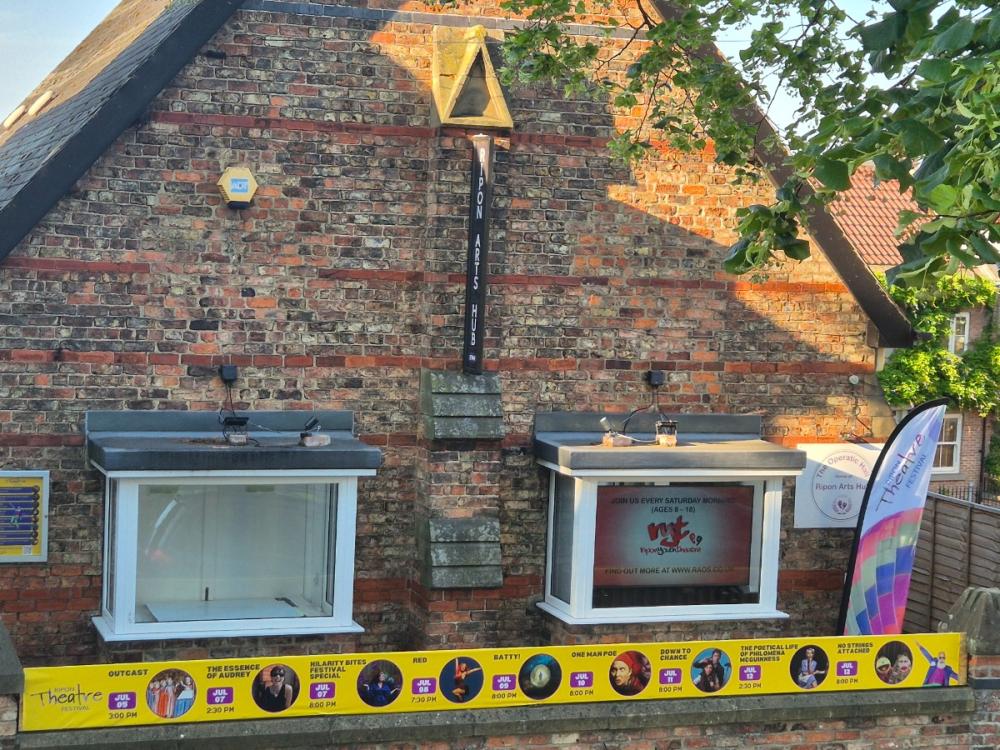
The timing gave that argument an unexpected edge. Ripon has just learned it will not be shortlisted for the inaugural UK Town of Culture 2028, the Department for Culture, Media and Sport's new competition, which drew interest from towns across the country. The bid, "Small City, Big Landscape" — developed through the Uredale Community Partnership, with Ripon Together (Ripon C.I.C.) as proposed delivery body and North Yorkshire Council as the accountable body — made a considered case for the city. That it didn't make the shortlist stings, but the partnership behind it is right that the journey doesn't end at a rejection letter. If anything, the festival now drawing to a close this week is the strongest possible rebuttal: Ripon does not need Whitehall to tell it what it already is.
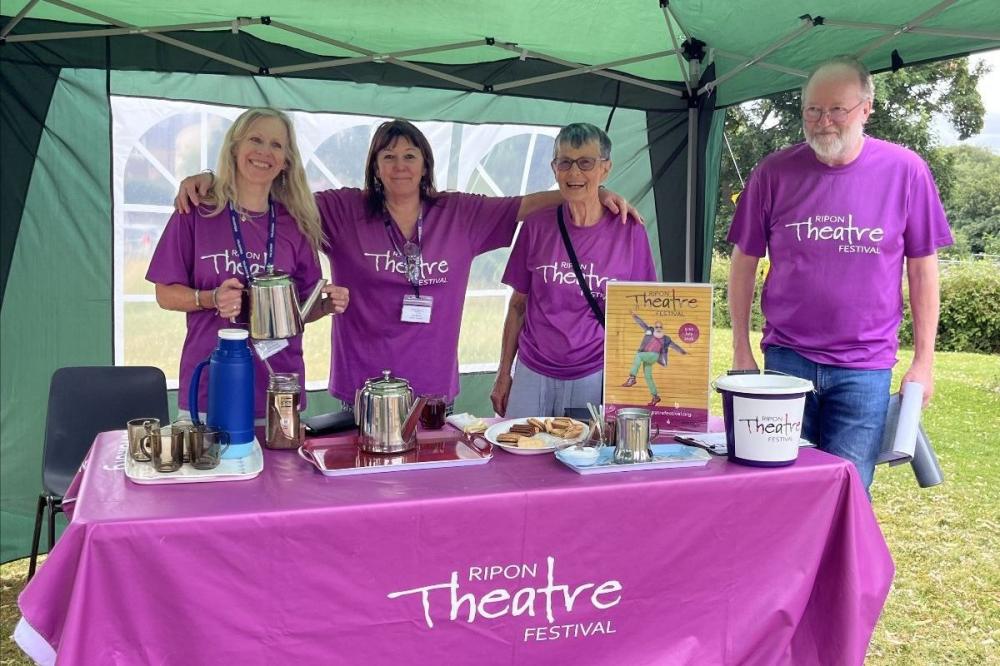
Ripon Festival Volunteers
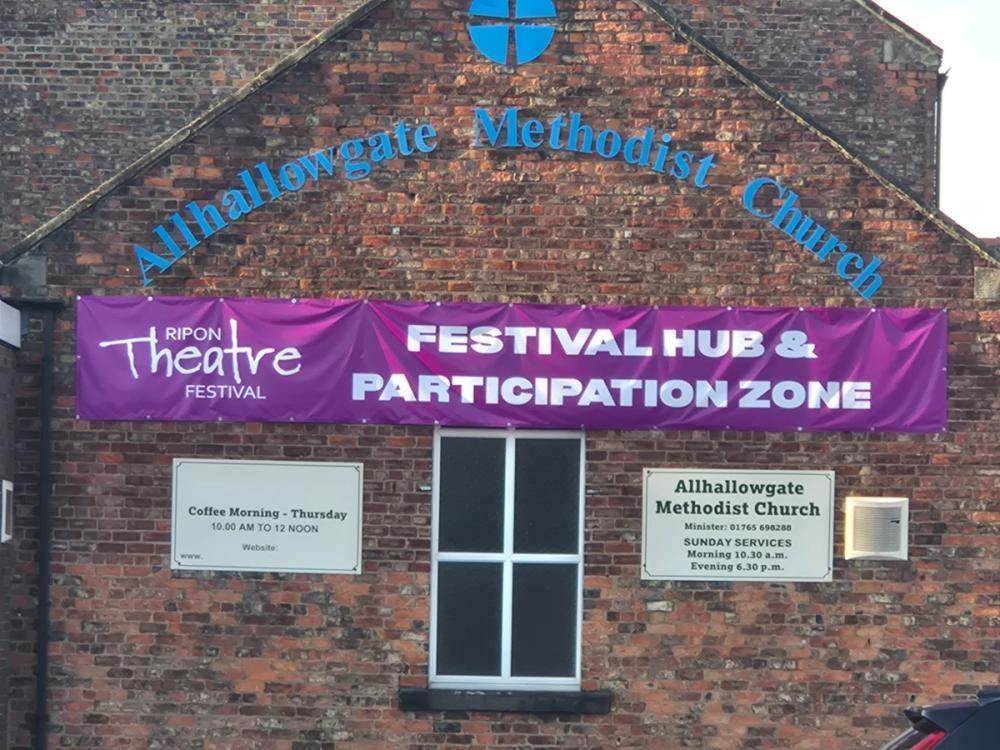
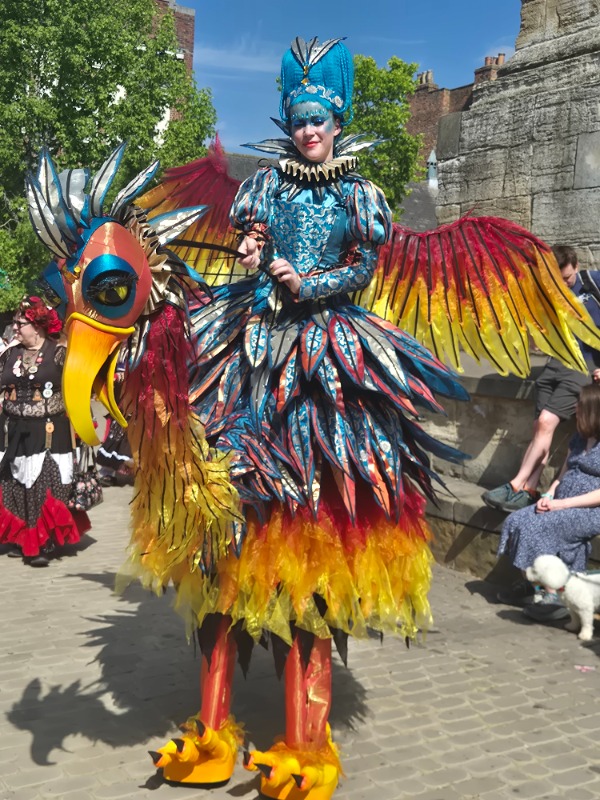
Colourful displays
It is worth setting this alongside other events on the city's cultural calendar, which, for all their charms, have never matched the theatre festival's pull, and alongside Harrogate's classical music programming just up the road – long-established and successful in its own right but working in a different genre and facing the particular challenge classical music faces nationally of bringing in newer audiences. Ripon's theatre festival, by contrast, seems to have already solved the problem that is quietly worrying concert halls and civic arts venues everywhere: how to be serious about art without asking audiences to leave half of themselves at the door.
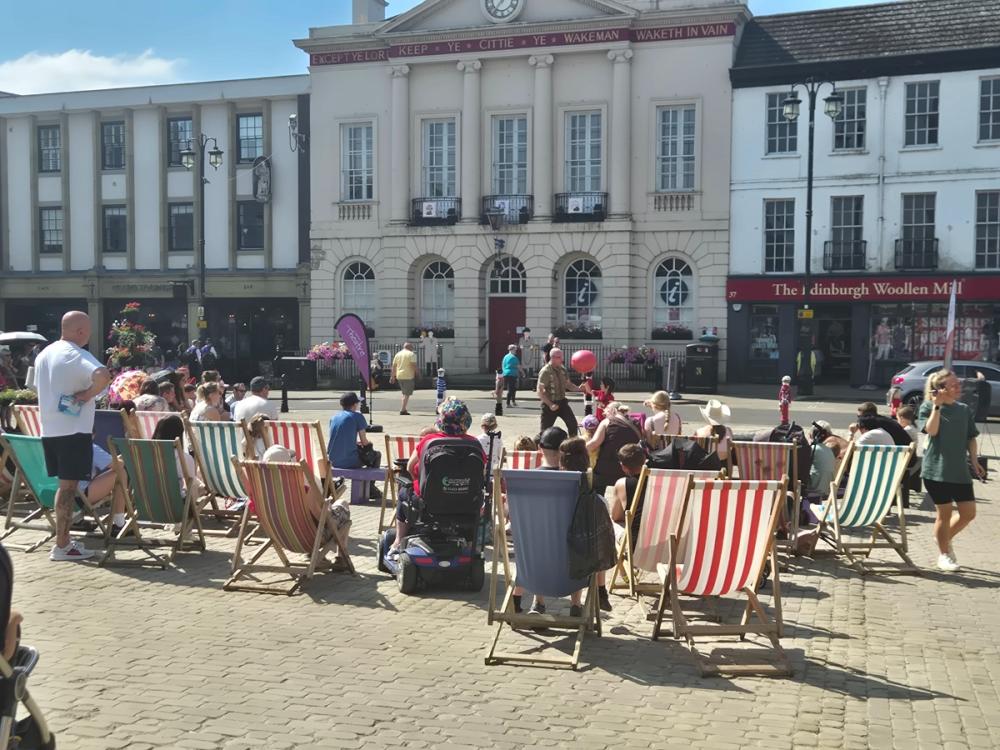
Entertaining
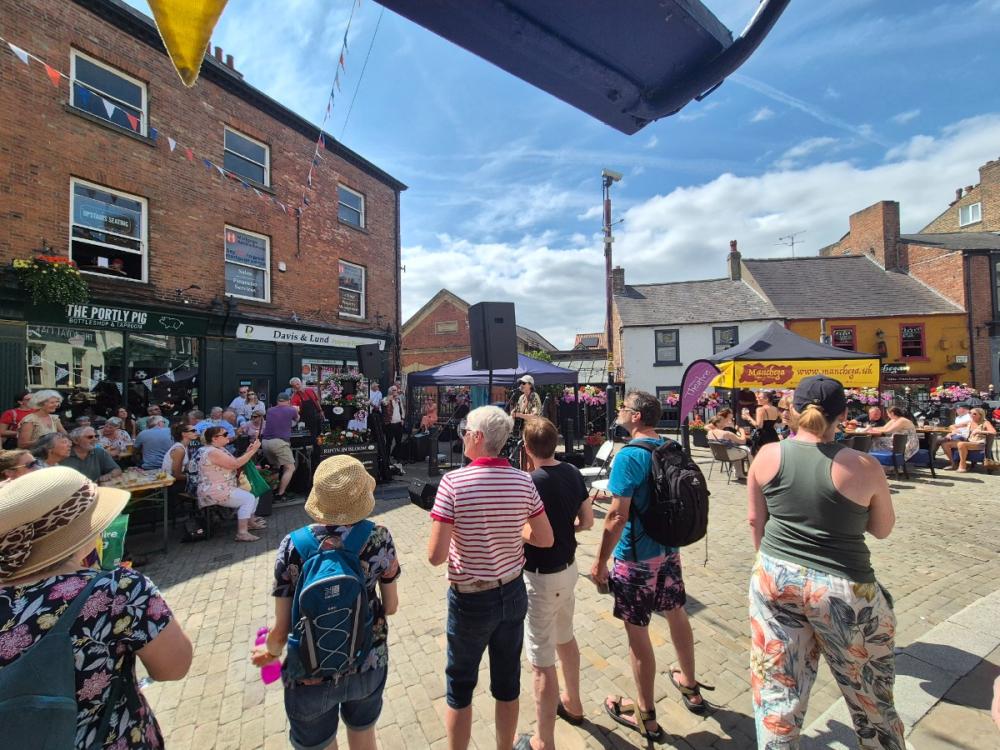
Kirkgate proved popular

This brings me back to the topic of money, as it is impossible to write honestly about a festival's achievements without acknowledging the costs involved. A panel weighing a grant application for Ripon Theatre Festival is not being asked to gamble on an unproven idea. It is being asked to back five consecutive years of growth; a director, Katie Scott, who has turned modest resources into a nationally noticed festival; and a programme that already does – voluntarily, and on a fraction of the budget that larger institutions enjoy – much of what accessibility and community strategies elsewhere exist only on paper to promise.
Ripon didn't need a Town of Culture title this summer to prove its case. It is making it anyway, over eight days and across a dozen venues, to audiences from five years old to ninety-five. The next move belongs to whoever is deciding what that's worth.
Also by Andrew Palmer...
Enescu: String Octet, Piano Quintet ReferenceClassical Music: HeartstringsClassical Music: Notes From The Living RoomClassical Music: Beethoven For Three Series Symphony No. 3 ‘Eroica'Classical Albums: Quartetto Gelato FlightThe shortened address for this article is: newspub.uk/3208i
More in this series...
A Stunning Conclusion: Romeo and Juliet Brings The Curtain Down On Ripon Theatre Festival 2026Voice In The DarkBreathless In Ripon: Stephen Smith's One Man Poe Is Gothic Horror At Its Finest.Riot Women, Meet Your Match: Batty! Brings Menopausal Rebellion To RiponSeeing Red — And Loving Every MinuteA Ghost Speaks, And A Cathedral ListensLepers, Book Of Job And A Festival That Isn't Afraid To Show Its WorkingsCurtain Rises On Milestone Fifth Ripon Theatre Festival With Two Powerful New PlaysDiscovering The Slave's Ghost Letter That Became A Cathedral PlayAll Singing, All Dancing, All AmberRipon Theatre Festival Boosts Youth Engagement At RTF26Search Results