



search
date/time

Tue, 1:00AM
overcast clouds
14.1°C
WNW 4mph
overcast clouds
14.1°C
WNW 4mph
 | Sunrise | 6:15AM |
| Sunset | 5:33PM |  |
P.ublished 2nd October 2026
nature
New Figures Show Over 13 Million Trees Planted In The ‘Northern Forest’
Woodland now within a short walk of more than 738,000 homes across the North
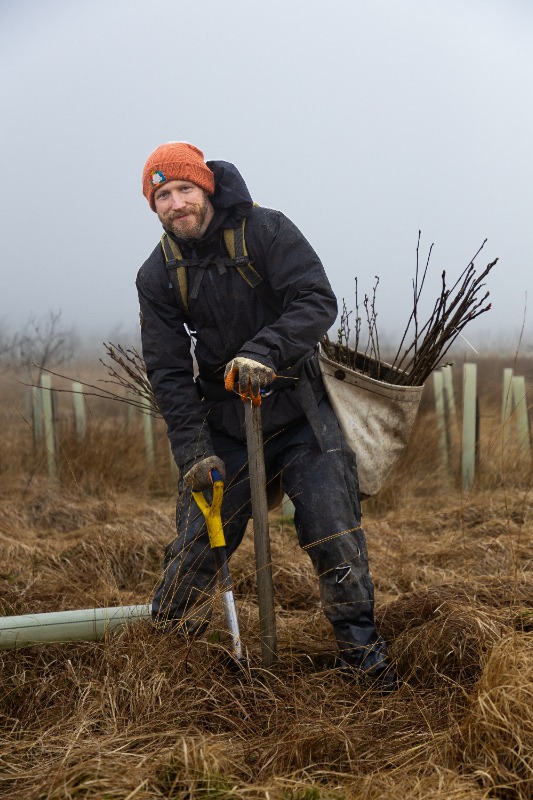
Northern Forest, City of Trees, Urban Forestry Services Team
Photo: Mark Lupton
The figures, published on 24 September by the university's Natural Capital Hub, show that over 738,000 households between Liverpool and the Humber estuary now live within a 15-minute walk of a Northern Forest woodland – 227,000 of them in some of the region's most deprived communities.
Planting has ranged from Manchester, Leeds and York to rural landscapes such as the Peak District, with new woodland now covering an area equivalent to more than 9,200 football pitches.
The partnership – led by the Woodland Trust, the Community Forest Trust and four Community Forests: The Mersey Forest, City of Trees, the White Rose Forest and Humber Forest – aims to plant at least 50 million trees across the North over 25 years, with backing from Defra's Trees for Climate programme.
According to the analysis, the forest is already generating £50 million a year in economic benefits. Its trees provide an estimated two million cubic metres of additional flood water storage, lock up 40,000 tonnes of carbon annually – equivalent to the yearly footprint of 29,300 cars – and are projected to remove more than 200 tonnes of airborne pollutants each year.
The programme also seeks to narrow a stark North-South divide. When it began, the region had just 7.6 per cent tree cover against a UK average of 13 per cent, and Woodland Trust research shows 15 of the UK's 20 worst-performing towns and cities for urban trees are in the North.
"It is staggering to see what the Northern Forest has already achieved," said Nick Sellwood, the Woodland Trust's Northern Forest Programme Director, adding that continued support from regional decision-makers and central government would be key to its future.
Over the last planting season alone, the four Community Forests created more than 850 hectares of new woodland.
Nature Minister Jenny Riddell-Carpenter called the milestone a significant achievement, noting that tree planting rates in England over the past two years are the highest for two decades.
The City of Trees’ green skills programme aims to diversify the sector, engaging people in forestry and environmental roles. Through training and partnerships, City of Trees empower individuals from non-traditional backgrounds to get involved in green jobs, building a skilled workforce to support nature recovery across Greater Manchester - the Urban Forestry Services Team.
The programme aims to address the skills gap in the forestry sector and to encourage wider participation and increase awareness of the importance of urban woodland creation and management. They work with partner organisations and job and skill agencies across Greater Manchester to create opportunities for people with varying needs and backgrounds.
UFST builds on City of Trees as a trusted delivery partner within Greater Manchester. Importantly, having an in-house team means there is far less reliance on using external contractors and keeps resources and skills within the city region.
To date, the team have planted over 38,051 sapling trees, working on more than 65 sites. One project last year saw the team plant 30 standard (semi-mature) trees at seven fire stations across Greater Manchester. The in-house team have also played an important role in City of Trees’ largest woodland creation scheme to date at Greenbooth Reservoir in Rochdale. The project was delivered in partnership with the landowner, United Utilities, and the in-house team have been tasked with delivering the maintenance and establishment element of the project. Aftercare will be required for over 17,000 trees, planted across 21ha of the uplands.
Four Case Studies
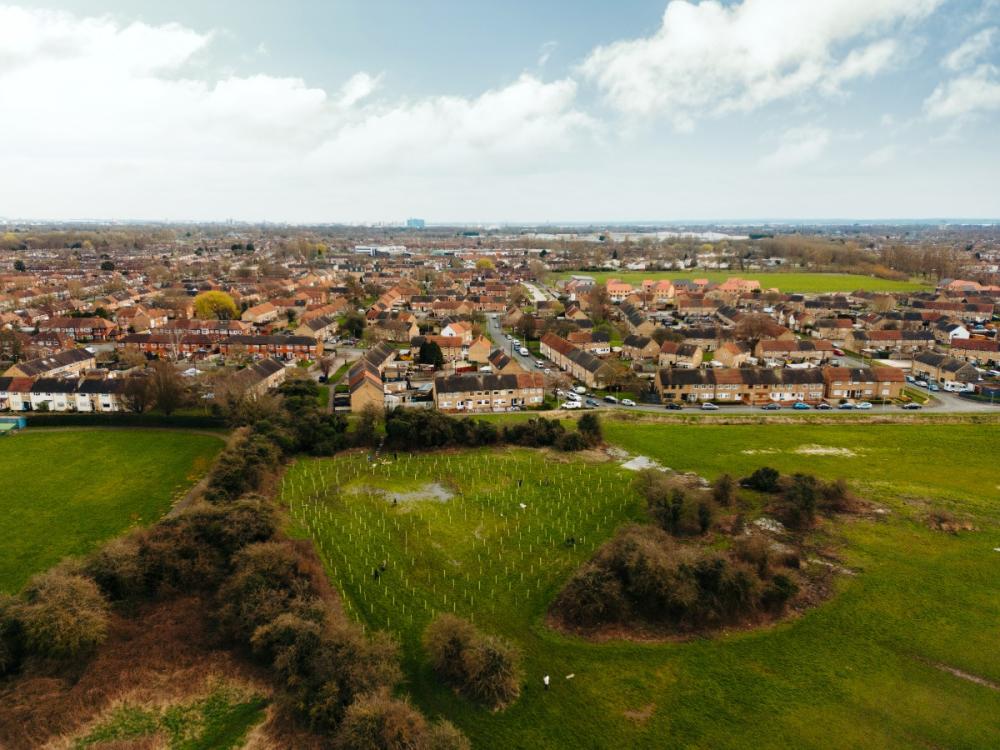
Northern Forest, Humber Forest, Dent Road
Hull City Council has planted new trees alongside Dent Road, creating a small urban woodland for the community to enjoy and enhancing the area for wildlife. This woodland means there are both trees and space for these recreational activities.
Working together, Humber Forest and Rewilding Youth planted 576 trees, including a range of native species such as oak, wild cherry, bird cherry, alder, willow and beech.
A key goal of this project was to involve local residents to ensure they understood the benefits of the woodland and felt a sense of ownership over the new trees. Lots of residents also attended the community tree planting day, where families were encouraged to plant their own trees and mark them using What3Words, allowing them to track their tree’s growth for years to come.
The woodland remains fully open to the public. By combining both trees and open land, the local community can continue to use and enjoy the space for recreation.
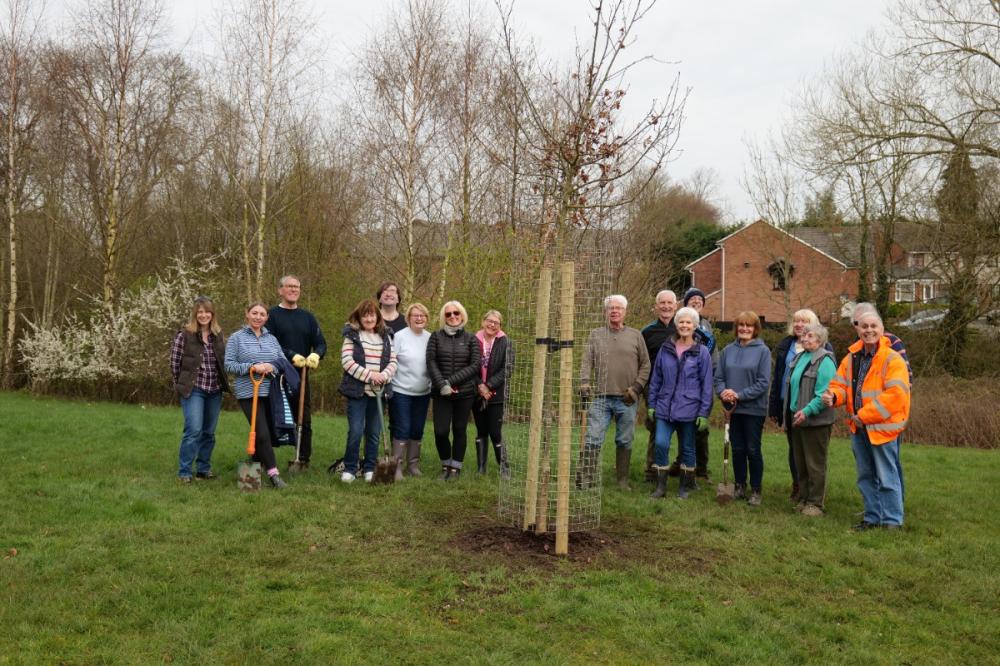
Northern Forest, Mersey Forest
A community-led woodland creation project in Eccleston, St Helens, is demonstrating how trees can deliver lasting benefits for people, nature and local heritage. Supported by The Mersey Forest, Christ Church Eccleston worked with local residents, volunteers, schools and community groups to transform an underused field into a thriving mosaic of woodland, orchard, wildflower habitat and open parkland.
The project was shaped by local people from the outset, ensuring the site remains an accessible space for recreation, reflection and community activities while enhancing biodiversity. In spring 2026, volunteers and around 120 pupils from a local Primary School helped plant 648 trees, creating stronger habitat links with nearby Mill Wood Local Nature Reserve.
As the new trees establish, the site will support wildlife, store carbon, improve resilience to wetter conditions and provide a valuable green space at the heart of the community.
You can read the full case study here.
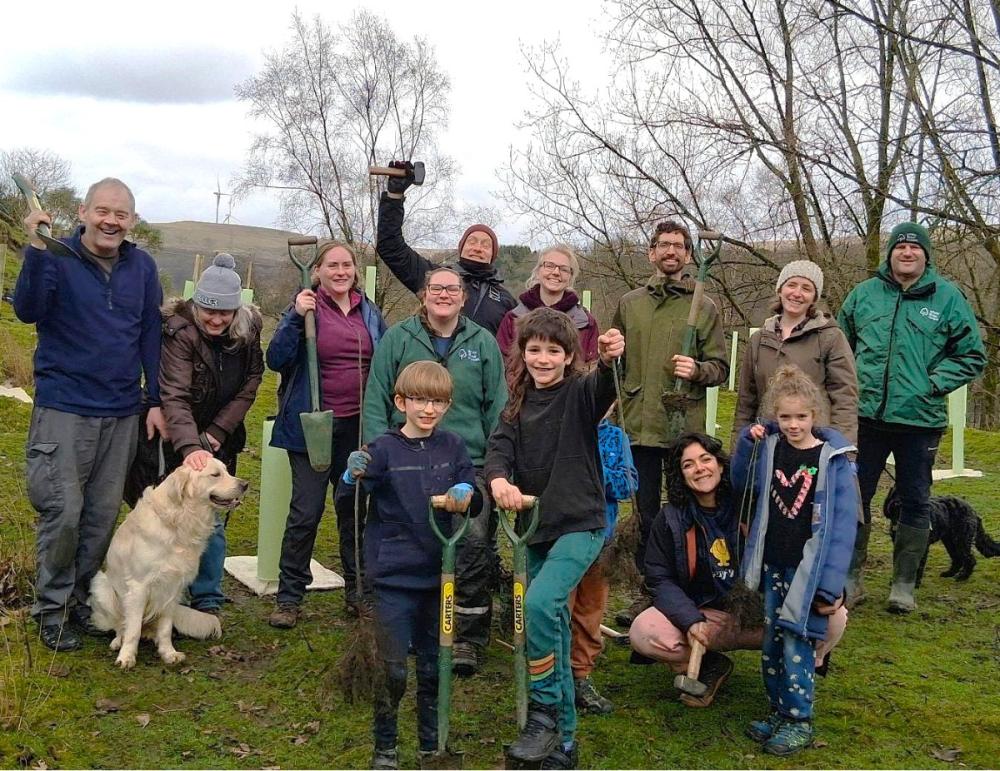
Northern Forest, White Rose Forest, volunteer planting at Top O'Th'Hill, Todmorden.
Photo: White Rose Forest
Local volunteers and businesses have played an important part in the planting and care for new native woodland at Top O’ Th’ Hill this year, strengthening community stewardship for this steep 16-hectare site near Todmorden in West Yorkshire.
The White Rose forest manages Top O’ Th’ Hill on a long-term lease and aims to protect and enhance this special environment for both local people and wildlife to enjoy for many generations to come. The new woodland connects with and helps to protect existing ancient woodland on the site as well as improving biodiversity and water holding in areas that were previously rough grazing land.
Experts from the White Rose Forest team have developed an extensive management plan for Top O’ Th’ Hill as well as grassland and ancient woodland assessments to identify potential Biodiversity Net Gain (BNG) uplift. The team is also supporting wider community involvement and working with local volunteers who will help monitor the ongoing condition of the site.
Northern Forest, Woodland Trust, Swindells Wood
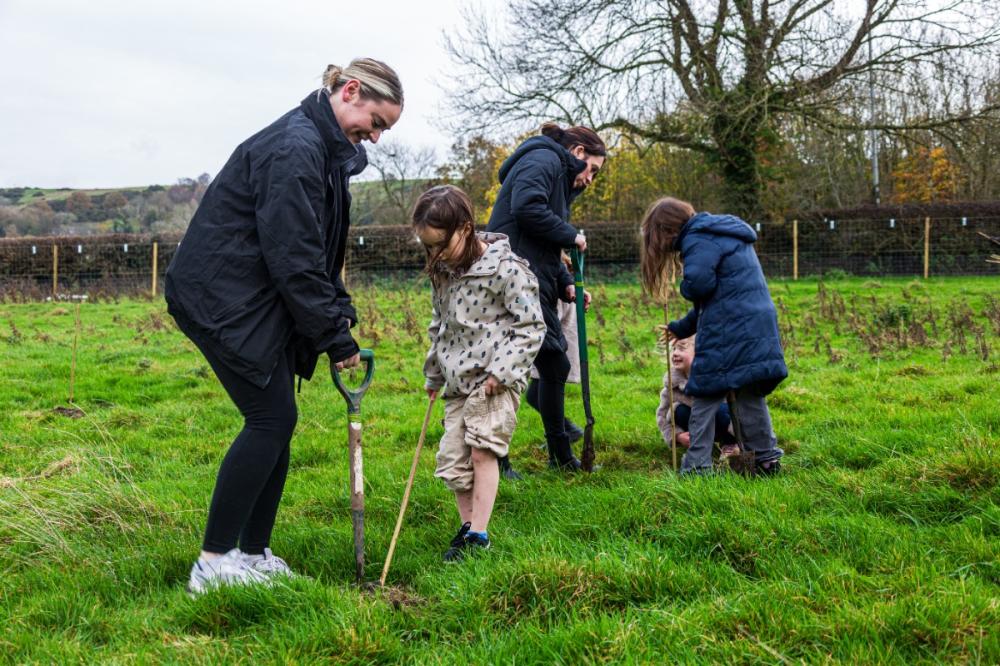
The creation of Swindells Wood brought together an incredible 832 volunteers, including local schoolchildren, community groups and corporate teams, who planted all 5,175 trees across the 8-hectare site.
Over two weeks, volunteers helped establish a diverse mix of native broadleaf species, including oak, birch, willow, hazel, field maple, cherry, hawthorn and blackthorn.
Their efforts have created a new woodland that will provide vital habitat for wildlife, improve biodiversity and become a valued green space for the local community for generations to come.
The land for the project was kindly gifted to the Woodland Trust by the Peel Bank Woodland and Conservation Trust with the late Gordon Swindell, its founder, planting many of the existing woodland trees the land encompasses. Standing near those established tree, volunteers were able to see how the area they were planting might look in the future.
The shortened address for this article is: newspub.uk/3214y