



search
date/time

Fri, 4:00PM
light rain
13.1°C
SE 2mph
light rain
13.1°C
SE 2mph
 | Sunrise | 4:12AM |
| Sunset | 7:53PM |  |

Jack Ogg
Gardening Correspondent
P.ublished 29th April 2023
nature
Ne'er Cast A Clout Till May Is Out - Gardening Tips For The Month Ahead
.jpeg)
Muscari azureum
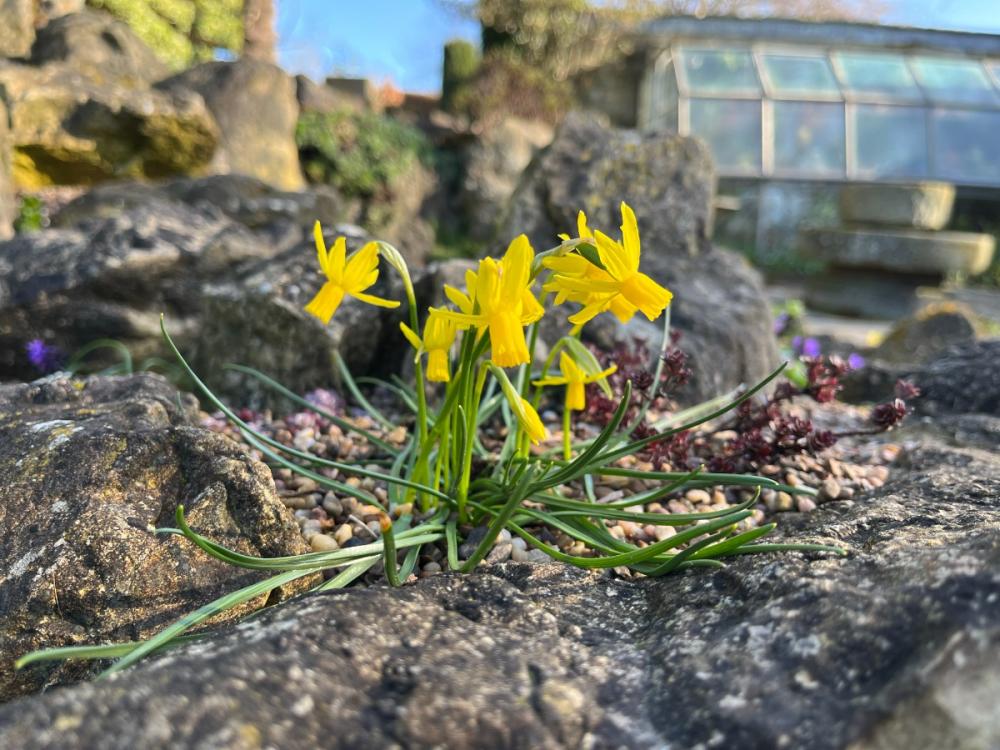
Narcissus twin cam
We have added thousands of bulbs into the sand garden to create a naturalistic landscape, with Alliums, Ipheion and Fritillaria all vying for visitors’ attention. Our meadow too is full of wonderful Geophytes, a fancy word for plants with a storage organ to see them through hard times, whether that is the cold of winter or the heat of summer. Crocus tommasinianus, Camassia, Tulipa sylvestris – the list goes on. We found that one the favourite early flowers of our York Gate honeybees is Scilla siberica so the Thursday garden volunteers planted 500 bulbs in the grass right outside the hives. Now the bees don’t have to travel very far to get an early harvest.
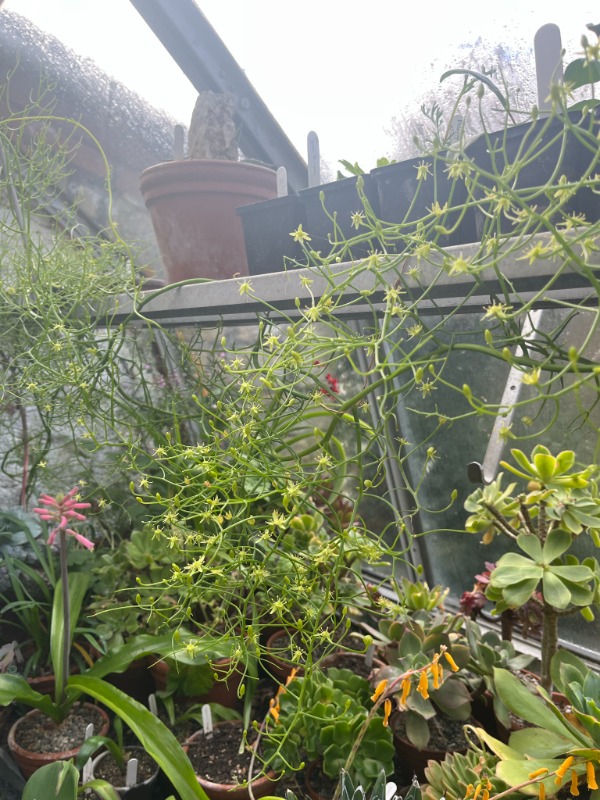
Climbing Onion
I can completely understand the golden age of Dutch Tulipomania, when the price of a single bulb of a new variety could cost more than a new house.
At the height of the craze, a tulip called ‘Semper Augustus’ – a white flower with red streaks – sold for 5,500 guilders. I’ve no idea what that is in the modern equivalent, but it sure sounds like a lot!
Sadly, this tulip no longer exists, but a modern cultivar called ‘Happy Generation’ is very similar if you wanted a splash of Tulipomania for your own spring garden. Luckily you won’t have to remortgage your house to buy one because you can buy a bag of 25 bulbs for about six quid.
If I was going for a tulip with streaked markings then I would choose the beautiful ‘Rems Favourite’, which is a tall elegant white flower with purple markings. It is one of my favourites for a pot display or as a seasonal planting.
I could go on listing my personal favourite tulips, but I suspect you’d soon get bored because there are over 3,000 registered varieties and I like an awful lot of them.
Typically, when planting up a herbaceous border, you have to think about what colours you are combining so that you get a nice look. There is no such problem with tulips, however, because you can’t clash them and so grab whatever colours you want and pile them all together. Whether you have single varieties or loads of them all mashed together, you really can’t go wrong.
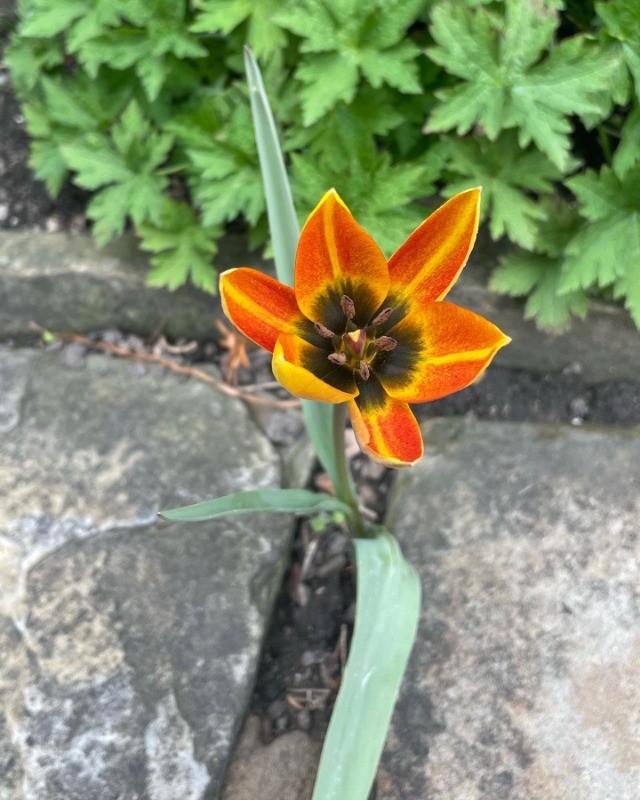
Tulipa orphanidea
But if you are like me and that sounds like a waste of money then you might be better off picking one (or two or five) of the species tulips. What these wonderful wild plants often lack in height, they more than make up for in beauty, and they are often reliable perennials, returning every year and, if happy, self-seeding around your garden. I even have Tulipa orphanidea (Whittallii Group), which has self-seeded.
It is well worth writing down all the names of the tulip cultivars and bulbs you like the look of or even taking pictures with notes on your phone. I’m always convinced I’ll remember the name of that show-stopping daffodil, but when the bulbs catalogues come out in the autumn I’ve invariably forgotten.
Ne'er cast a clout till May is out. This is most likely referring to the may trees or hawthorn flowers not the month. If you grow tender plants, then May is the month to start hardening them off, bringing them out of the greenhouse on mild days and back in again at night. It’s also worth opening greenhouse doors and windows during the day to let fresh air in. Be wary of getting too excited by warming days: April can still get some very chilly night temperatures. These temperatures might not kill tender plants but could set them back, and what growth you could gain by planting them early you could lose in the time it takes them to recover from one nippy evening.
York Gate is a magical one-acre garden created by the Spencer family between 1951 and 1994. Frederick and Sybil Spencer along with their son Robin, laid out and nurtured what is now one of the finest small gardens in the country. The design of ‘rooms’ interlinked through a succession of vistas and executed with meticulous attention to detail owed much to the Arts and Crafts movement, complemented by Sybil’s skills as a plantswoman. In accordance with Sybil’s wishes, on her death in 1994, York Gate was given to Perennial.
Back Church Lane, Leeds, West Yorkshire LS16 8DW, UK
OPENING TIMES
2023 Opening Times:
Cafe open - 4 January 2023
Wednesday – Sunday 10am-3.30pm
Open Bank Holidays
More info here
Back Church Lane, Leeds, West Yorkshire LS16 8DW, UK
OPENING TIMES
2023 Opening Times:
Cafe open - 4 January 2023
Wednesday – Sunday 10am-3.30pm
Open Bank Holidays
More info here