



search
date/time

Tue, 1:00PM
overcast clouds
11.4°C
ESE 13mph
overcast clouds
11.4°C
ESE 13mph
 | Sunrise | 6:45AM |
| Sunset | 4:57PM |  |

Sharon Cain
Lifestyle & Travel Editor
P.ublished 29th August 2026
travel
Lush Islands, Medieval Walls, Cascading falls: Croatia's Sensory Feast
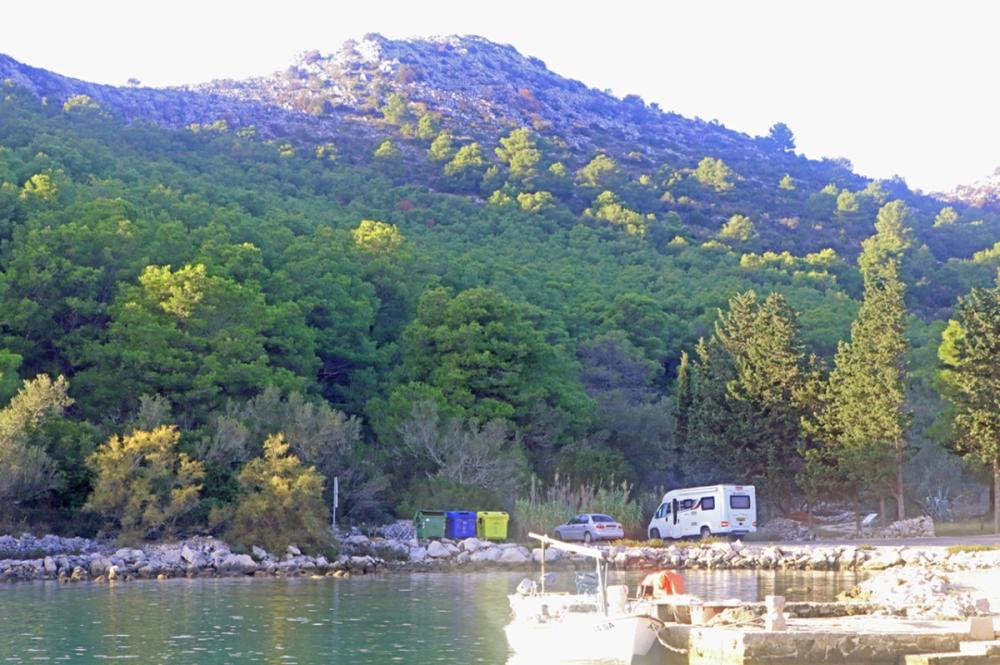
Island of dreams: Telašćica Nature Park Images by Steve Hare
Boasting ten UNESCO World Heritage sites, Croatia overtook Spain as the ‘Best Country to visit in Europe’ by European Best Destinations in 2025.
It has captured the imaginations of millions worldwide who flock to its coastline and to Dubrovnik to reenact the ‘Walk of Shame' made famous by the blockbuster Game of Thrones series.
Croatia has also fired the imaginations of our motorhomers - Lifestyle & Leisure Editor, Sharon Cain, series Photographer, Steve Hare, and travelholic golden retriever, Bracken.
World-Leading Amphitheatre
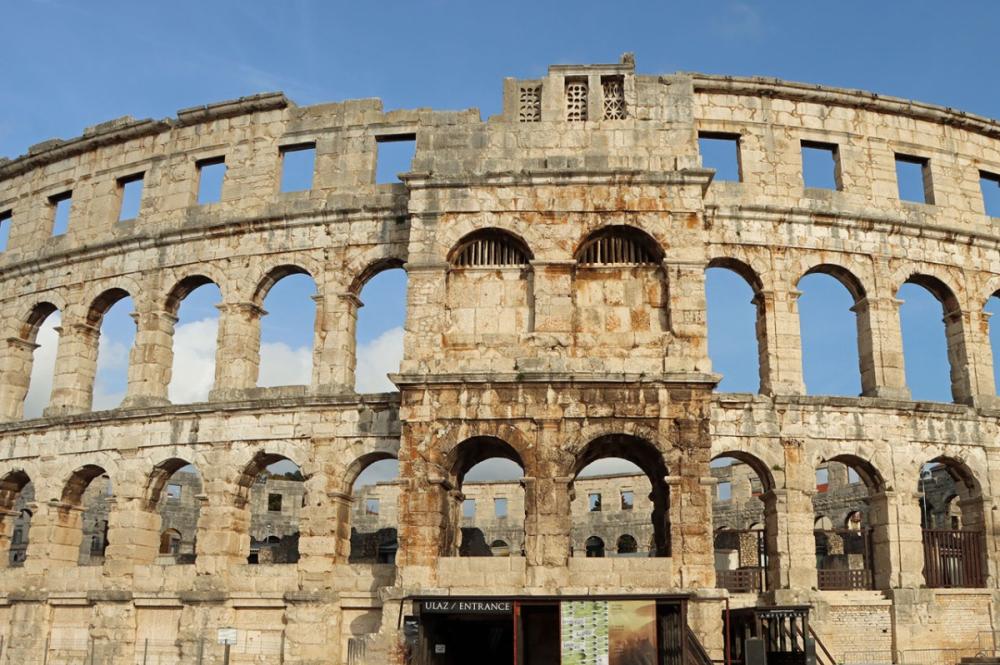
The imposing amphitheatre was built for gladiatorial contents and public events
The campsite pitch had a sea view and, at nineteen degrees, it was perfect weather for hopping on a local bus and exploring the jaw-dropping Roman amphitheatre, ‘The Arena’.
The Arena seated 23,000 spectators at its height
Our remaining two days in Pula were spent soaking up the old town's relaxed vibes, swimming in the Adriatic (Bracken was first in), and feasting on fresh fish from local cafes and restaurants.
Croatian Grandeur
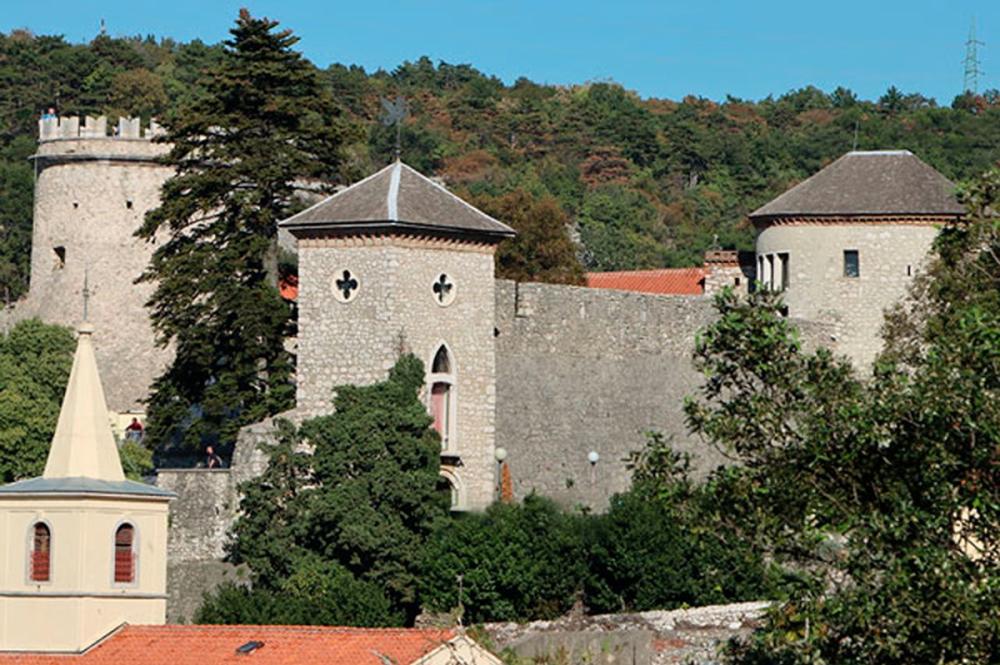
Trsat Castle is one of the oldest fortifications on the Croatian coast
An independent state from 1920-1924, Rijeka is renowned for its industrial heritage and named the 2020 European Capital of Culture.
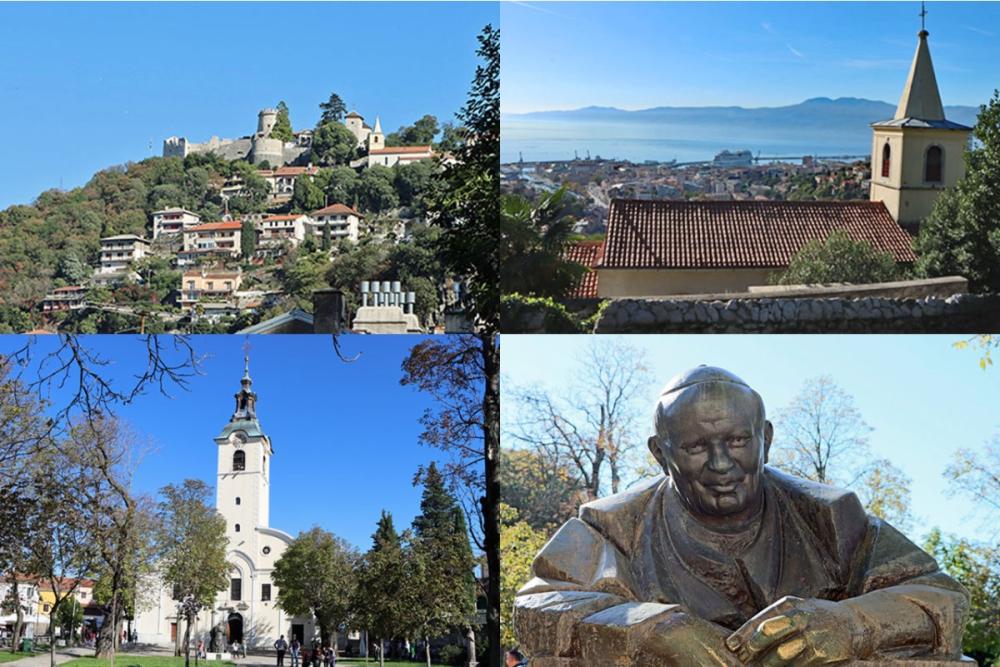
History and majesty: Clockwise from left: Trsat castle, view from castle battlements, Statue of Pope John Paul II, Church of Mary of God
Wile there, we visited The Shrine of Our Lady of Trsat, a beautiful 15th Century church, sanctuary and pilgrimage looked after by Franciscan friars and visited by Pope Paul II in 2003.
Exceptional Natural Beauty
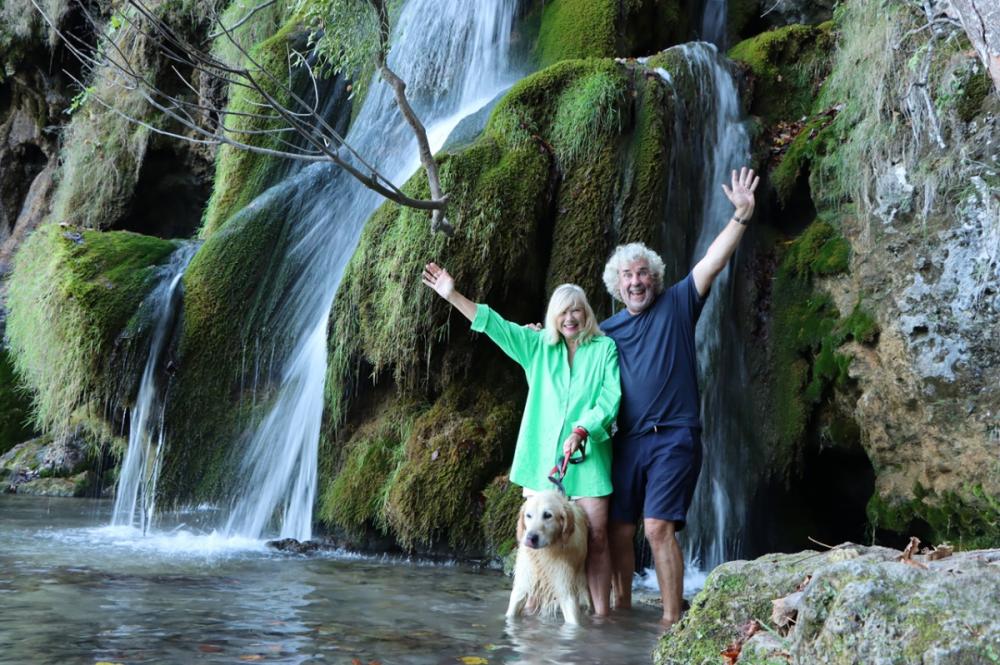
Emerald green and turquoise blue waters at Plitvice Lakes National Park
The UNESCO site is Croatia’s first national park where limestone and chalk minerals create mesmerising transitions of water colours spanning turquoise blue, emerald green and sapphire.
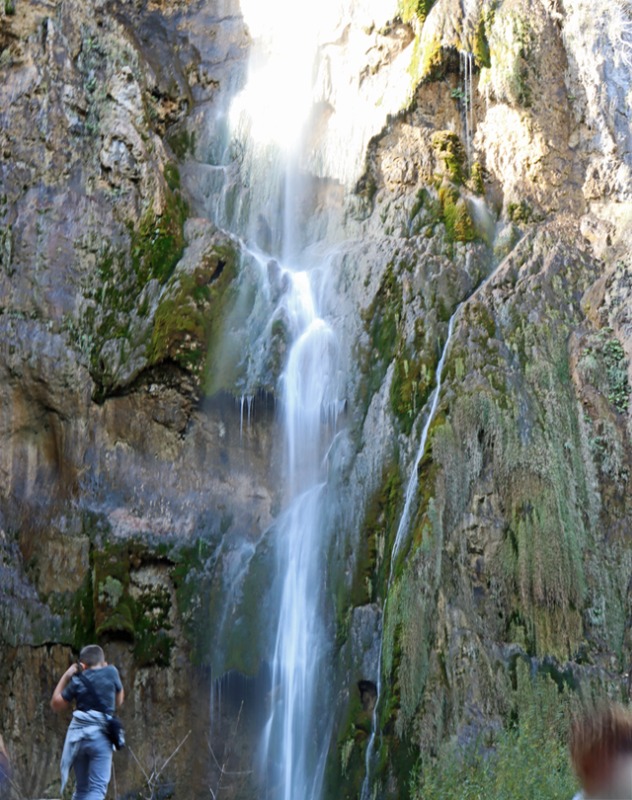
The Great Waterfall
An abundance of wildlife includes Eurasian Bears and wolves - Europe’s largest predators - along with deer, wild boar, fish and amphibians - and birds and butterflies. We saw a few different butterfly species, some birds, and brown trout, which fascinated Bracken.
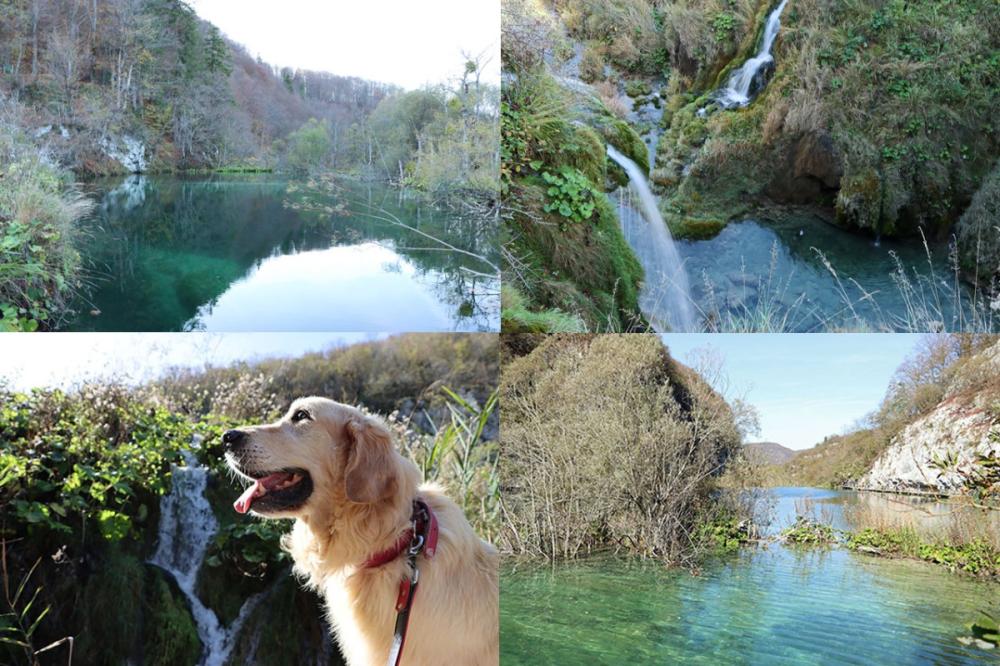
Plitvice Lakes National Park is regarded as one of Europe's most beautiful national parks
Island Getaway
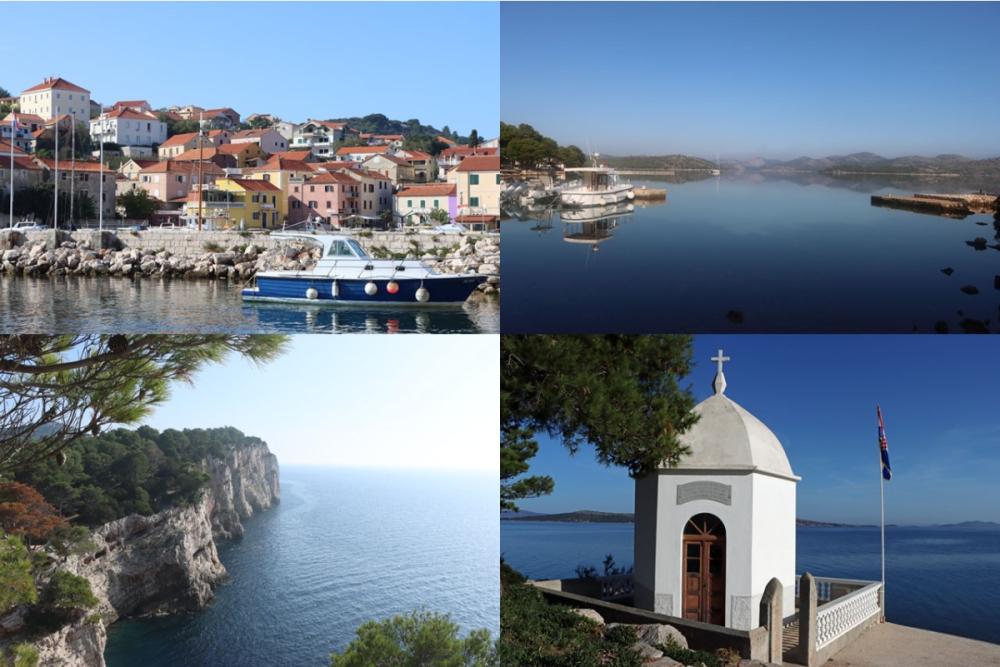
Secluded best kept secret: Dugi Otok island
Called ‘Long Island’, at 28 miles long and up to 2.5 miles wide, it is the most remote of North Dalmation islands and among Croatia’s best kept secrets.
Parked up in Telašćica Nature Park, we woke to our very own paradise and swam in crystal clear waters where our only neighbours were two moored yachts.
Wellbeing boost: Parked up in Telašćica Nature Park
We saw Croatia’s tallest lighthouse, Veli Rat, whose yellow exterior was reputedly created by mixing 100,000 egg yolks into lime mortar. We bid farewell to our island haven amid a blazing orange sunset.
Heading South For The Falls
Major attraction: The 'Big Waterfall'
Learning from our mistakes, we chose a Monday to explore Krka National Park in Dalmatia, joining a smattering of visitors to see its seven sensational waterfalls.
The pièce de resistance, the Skradinski Buk falls, feature 17 cascades of 800 metres wide and 46 metres high. They are also surrounded by delightfully restored 19th Century watermills.
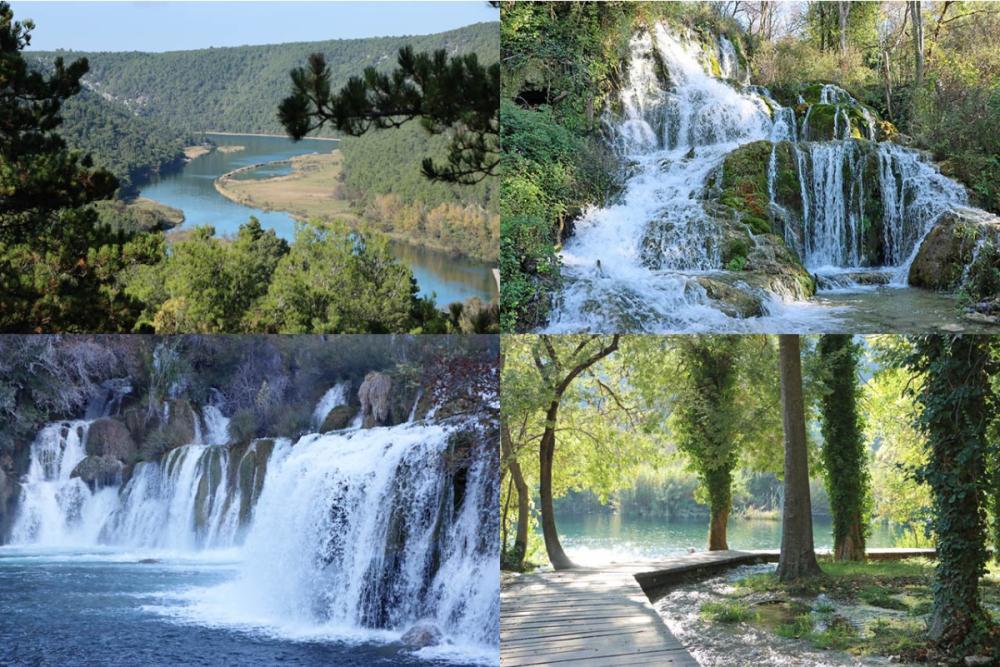
Raw Beauty: Krka National park
Our leisurely tour of the waterfalls, which are part of the Krka River, included a scenic boat ride. Rich in flora and fauna, the park has 860 plant species. I’d recommend setting aside at least five hours to appreciate its merits.
Omis: Coastal Gem
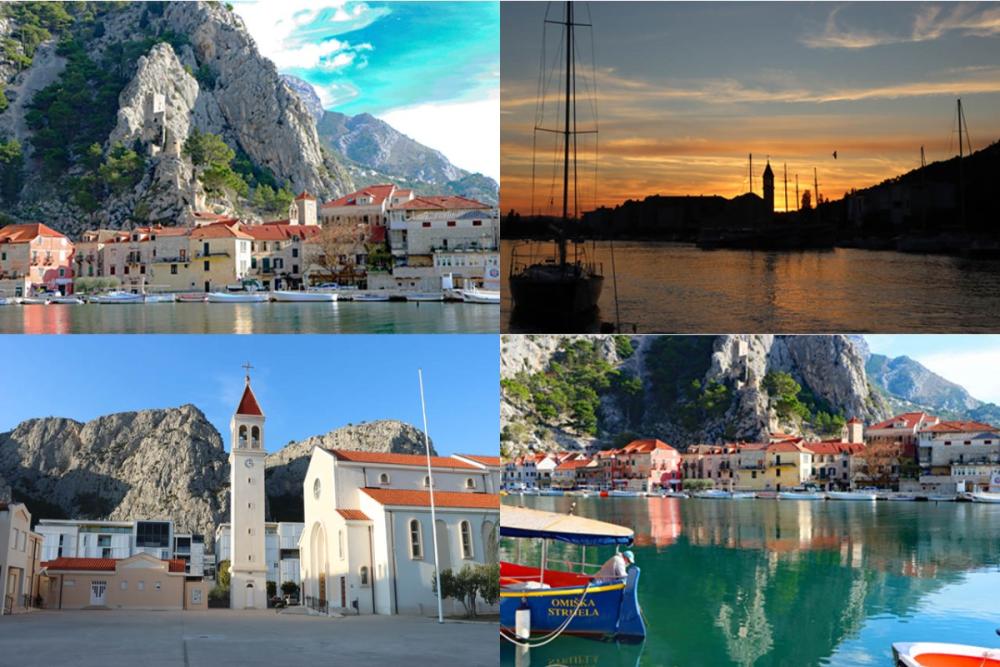
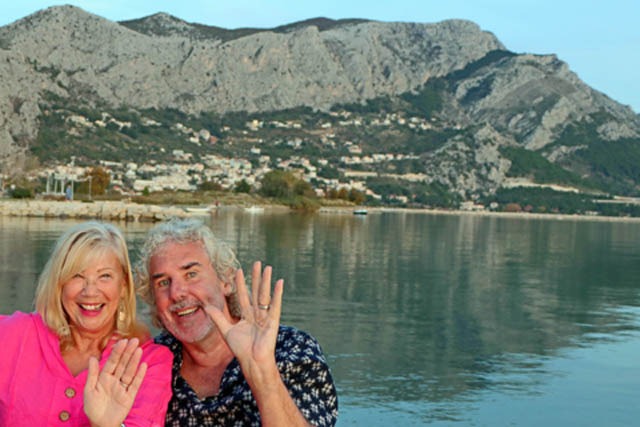
Omis
A ten minute walk up the golden, sandy beach took us to the historical, picture-postcard harbour town of Omis. Nestled in the Omiška Dinara mountains, the old town abounds with character, swashbuckling 13th Century pirate legends, a towering fortress and copious street cafes.
Spine tingling Omis sunset
We met fabulous new friends, Denise and Ian, who invited us for supper in their massive motorhome where we drank wine and swapped travel experiences long into the night.
We remain in touch with the couple whose adorable dog Bruno, another gorgeous goldie like Bracken, entertained us with his eccentric technique of purposefully padding through the warm sea water.
Split’s Architectural Splendours
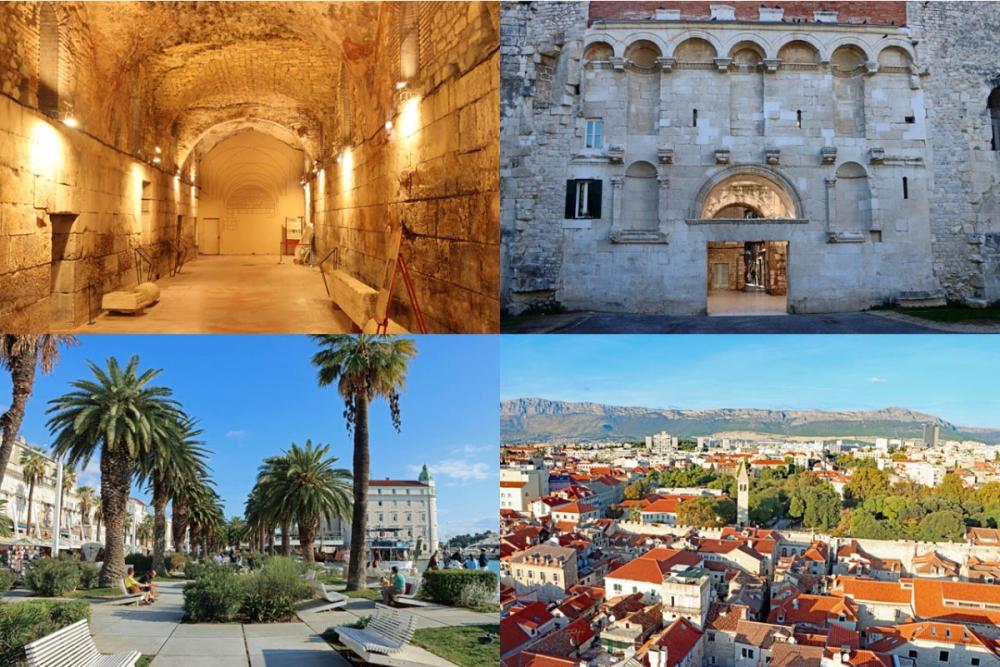
Split: a unique city fusing the ancient and modern
Over 3,000 residents thrive inside the historic treasure built between 295-305 AD for the Emperor, Diocletian who guided the Empire through a tumultuous period.
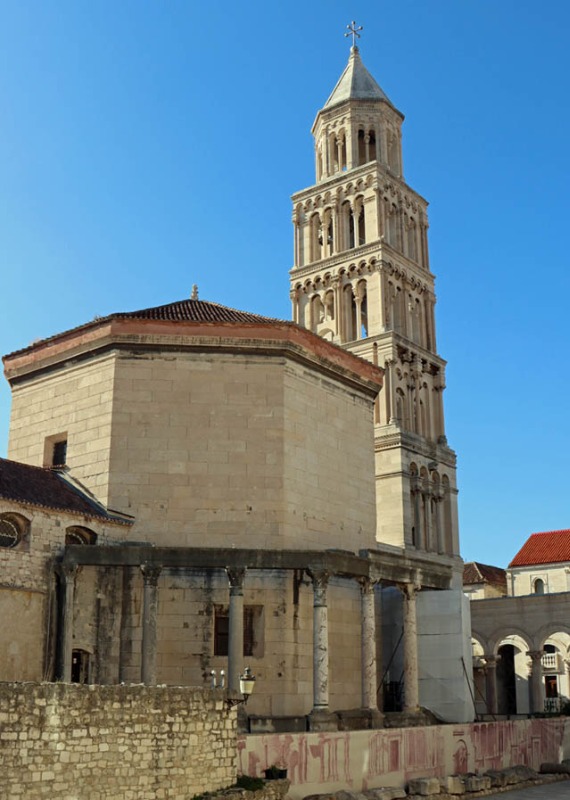
Old Town Split: The Cathedral Clock Tower
Evolving and maintaining a vital role over the centuries, the gates act as modern day signposts to the old town for visitors.
We clambered 180 steps (the last ten were killers!) - to the 57 foot bell tower of the Cathedral of St. Dominus, the world's oldest Catholic Cathedral.
Built in the 4th Century as the Emperor, Diocletian's Mausoleum, Christians converted it into a cathedral in the 7th Century.
At the top we savoured more panoramic views over the rich landscape.
Dubrovnik – Pearl Of The Adriatic
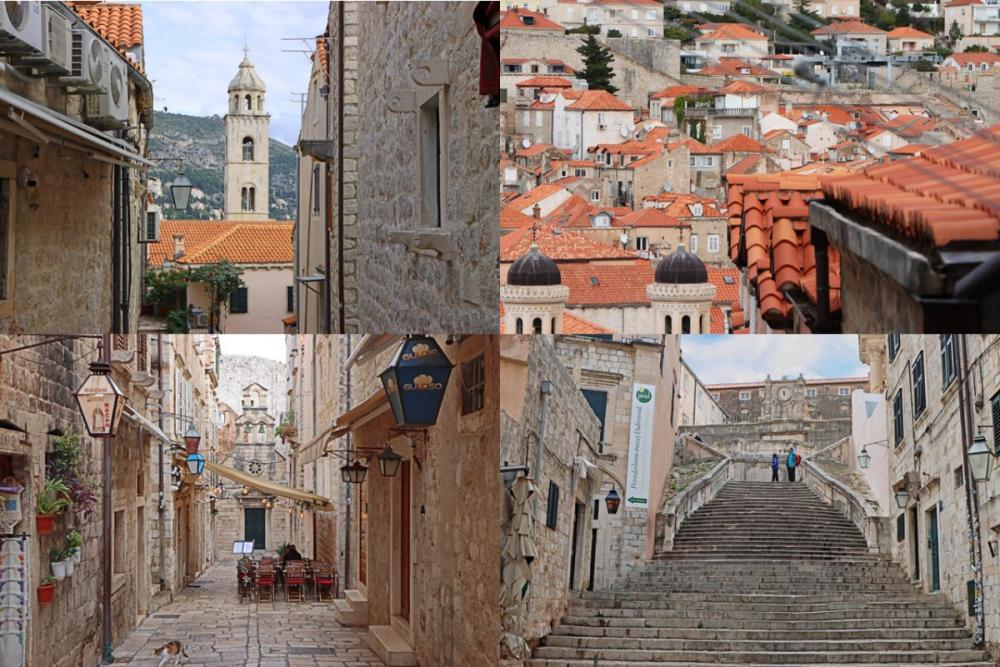
Medieval powerhouse: A snapshot of Dubrovnik's Old City including the 'Walk of Shame' Jesuit stairs (bottom right)
The first thing we saw driving to the city was a fleet of cruise ships berthed in the busy port, meaning everywhere would be heaving.
Dubrovnik's chequered history makes exhausting reading. Ruled by the Byzantines and Venetians, it was almost destroyed by an earthquake in 1667 - and occupied by the French in the Napoleonic wars.
Becoming part of the Austrian Empire in the 19th and 20th centuries, the city was attacked by the Nazis during World War II. Five decades later it was under siege for seven months in 1991 by the Yugoslav People’s Army.
Awarded UNESCO status for its outstanding medieval architecture and fortified old town, it has been widely filmed as the fictional King's Landing in Game of Thrones.
Its Jesuit Stairs are famous for Cersei Lannister's infamous 'Walk of Shame' and scenes from Star Wars (Episode VIII) and the American film version of Robin Hood were produced there.
Our visit took on a more sombre tone at a photography exhibition, that informed us more of the horrific events of the 1991 seige, known as The Battle of Vukovar.
Kupari – Sobering Reminder Of Dark Times
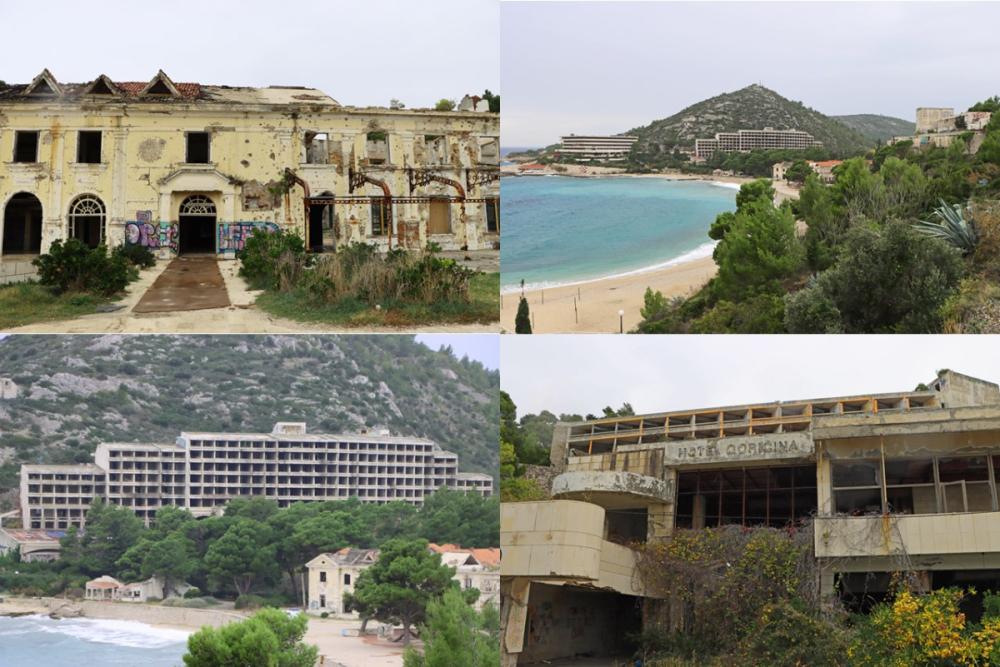
Kupari
It transpired that the resort, built in the 1970s and 1980s for the Yugoslav army elite, was attacked in 1991 by the Yugoslav People’s Army during the initial stages of the Croatian War of Independence.
Croatia's independence was internationally recognised in January 1992.
An eerie silence hung over the sobering devastation which is just a 14 minute drive from the pulsating heart of Dubrovnik where tourists and locals mingle carefree in cafes amid magnificent surroundings.
While Croatia's past may be tarnished, its future is undoubtedly bright as it rightly earns its place among Europe's top destinations.
It certainly earned our vote after three glorious weeks of touring its eclectic treasures across over 800 land and sea miles.
Rijeka Tourist Board
Plitvice Lakes National Park
Krka National Park
Omis attractions
Also by Sharon Cain...
Venice And Motorhoming? You've Got To Be Joking!Reflections On A Sensational African SafariThe Anastasia File: Imperialism, Evil, Fact And FictionMotorhoming Switzerland: Mingling With The Rich In St MoritzThe Car Man: Roaring With Sexuality, Lust, And VengeanceThe shortened address for this article is: newspub.uk/320qo