



search
date/time

Sat, 4:00PM
scattered clouds
19.7°C
W 10mph
scattered clouds
19.7°C
W 10mph
 | Sunrise | 3:46AM |
| Sunset | 8:20PM |  |
P.ublished 21st February 2026
nature
Kick Start Your Veg Patch: What To Plant This February And March
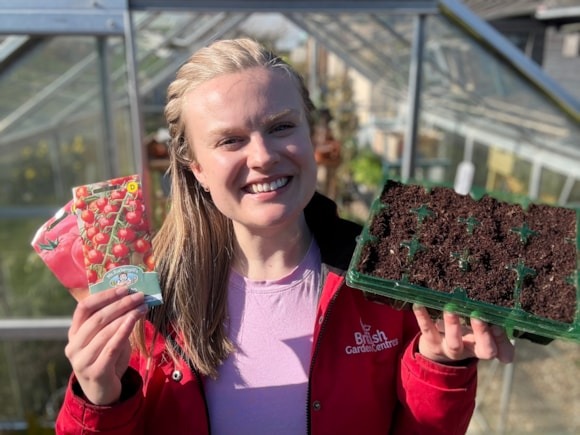
Photo: BGC
Leafy greens and salads
If you want quick wins, leafy greens are the perfect choice to get started on your grow your own adventure. Lettuce and other salad leaves can be started from seed in little pots or trays indoors now, then moved outside in a few weeks. These grow fast, and you'll be eating fresh salads way before summer arrives. Spinach is another great green that likes the cooler weather of early spring. You can sow it straight into your beds in March, and you'll be picking tender leaves pretty quickly.
Rocket is also an easy choice to grow. It comes up quickly even when it's still cold, and you can sow it directly outside in March. Spring onions are similar, start now and sow them every couple of weeks and you'll have a steady supply all through spring and summer.
Root vegetables
Root vegetables take a bit longer, but they're really satisfying to grow. Carrots and parsnips can go straight in the ground in March, especially the early varieties that don't take as long to grow. If your soil's still pretty cold, make sure you use some fleece or cloches over the planted rows to warm things up and protect the seedlings when they pop up.
Radishes are ready to eat in just three to four weeks from sowing if you want to see some quick results.
Seed potatoes can be chitted now; this is when they sprout before you plant them. You just need to place your seed potatoes in egg boxes or trays somewhere cool and light indoors, and by March, they'll have shoots and be ready to go in the ground. Early varieties work best for spring planting, and you'll have lovely new potatoes to harvest by early summer.
Beans and peas
Broad beans are tough as old boots and can be sown directly into the ground now; they can handle frost and cold that would kill off more delicate plants. Peas are pretty hardy too, and you can sow both early and later varieties now. Try sowing every couple of weeks for a successional crop.
Brassicas
Brassicas, including broccoli, cabbage, cauliflower, and Brussels sprouts, really benefit from getting started early. They take ages to grow, so starting seeds indoors in February and March gives them the time they need. Sow them in seed trays or little pots on a windowsill or in a greenhouse, then when it warms up, you can move them outside. These will be ready to harvest through summer and autumn, keeping you going when lots of other veg have finished.
Tomatoes, peppers, and aubergines
If you're dreaming of homegrown tomatoes, peppers, and aubergines, February is when you need to get started. These plants love warmth after the last frost. There are so many types to choose from, tiny sweet cherry tomatoes, big meaty ones, heritage varieties in all different colours.
Peppers and chillies can be sown in February too, as starting now gives them the longest possible growing season. Aubergines are the same as they need warmth and time, so get them going indoors now.
Onions and garlic
Onion and shallot sets can be started, and you can plant these straight into your beds in March, just push them gently into the soil so only the tips are showing.
Garlic normally gets planted in autumn, but if you missed that boat, you could still plant it in spring. You'll get your harvest a bit later, and the bulbs might be smaller but it's definitely worth doing.
“February and March are the best months for getting your vegetable patch started. Whether you're planting your first seeds or you're a seasoned grower, these next few weeks set the tone for your entire growing season. You don't need acres of space or years of experience, just a bit of enthusiasm and willingness to get your hands dirty. There's nothing quite like the taste of vegetables you've grown yourself."
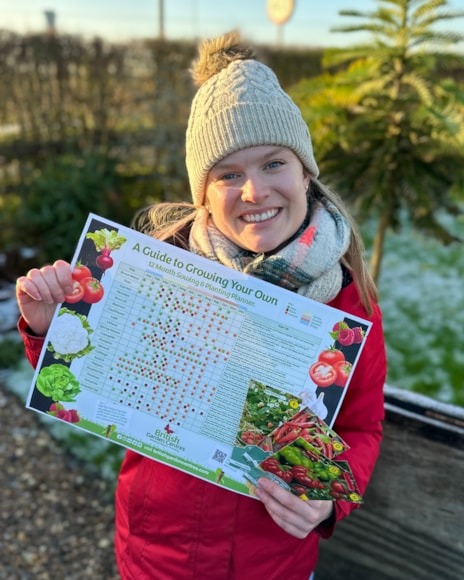
Download your copy HERE.
British Garden Centres has a wide selection of vegetable plants and seeds available at all garden centre locations and online at www.britishgardencentres.com