



search
date/time

Sat, 10:00PM
overcast clouds
13.2°C
S 4mph
overcast clouds
13.2°C
S 4mph
 | Sunrise | 4:53AM |
| Sunset | 7:25PM |  |
P.ublished 8th February 2026
scitech
Is Climate Change Down To Nature Or Man?
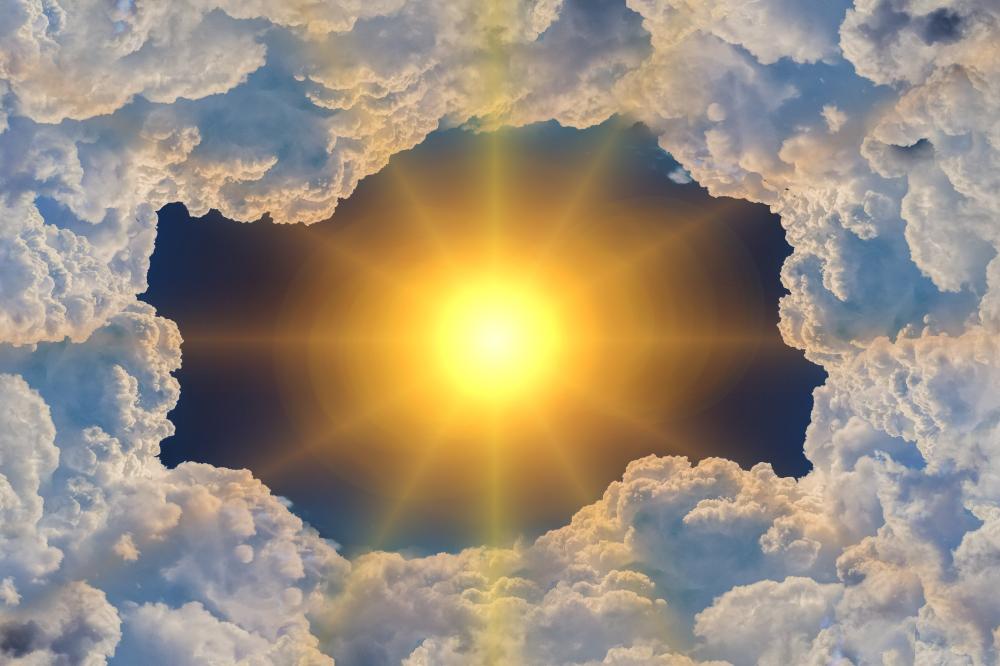
Photo credit: geralt/Pixabay
Some atmospheric gases act like a blanket around the planet that traps some of the sun’s warmth. These are known as global warming gases and include water, carbon dioxide and methane - all naturally occurring. Water is very transient, evaporating off the earth’s surface and quickly returning as precipitation. On the other hand, when carbon dioxide enters the atmosphere, it will be there for centuries.
Global warming was first identified around the turn of the 19th and 20th centuries. It was also recognised that without those naturally occurring global warming gases, the earth’s temperature would be much colder, and life as we know it may not exist.
Just to be clear here: the term ‘climate change’ refers to significant changes to the earth’s climate. It occurs over years, as opposed to our weather that changes day to day. Naturally occurring climate change phenomena include the El Niño effect in the Pacific Ocean, major volcanic eruptions, and ice ages. Of these, ice ages have historically made the largest impacts.
The Milankovitch Cycle
The earth’s orbit is complex, ranging from circular to elliptical. The earth also has varying amount of tilt and precession (equivalent to the familiar wobble of a toy top). It was a century ago that Serbian scientist Milutin Milankovitch calculated the effect of these on the earth’s temperature and linked them to the advent of ice ages.
At certain times on the Milankovitch cycle the earth receives less sunlight and begins to cool. As it does, ice sheets start to grow, and the white ice reflects more sunlight back into space; this further cools the planet. In addition, the oceans become colder and absorb more of the atmospheric carbon dioxide, which reduces the natural global warming effect and cools the planet even more.
All these natural phenomena are still happening, but none of them account for the fact that rather than being in a temperature stable inter-glacial period, our planet has been warming dramatically over a relatively short period of time.
An upward spiral
The only plausible explanation for this dramatic increase in temperature is that, since the start of the Industrial Revolution, mankind has been pumping more and more of the two most critical greenhouse gases, carbon dioxide and methane, into the atmosphere. This is having the complete opposite of an ice age – melting ice sheets and warming oceans. So rather than experiencing a downward spiral of cooling, we are experiencing an upward spiral of heating.
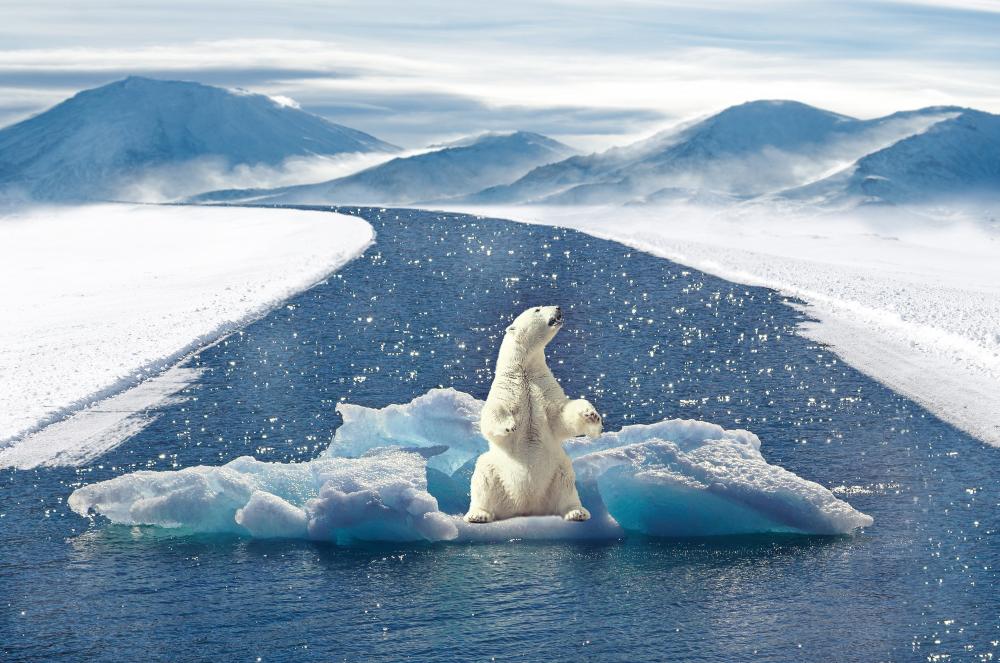
Photo credit: Myriams-Fotos
The answer
So to answer the question, ‘Is climate change down to nature or man?’, the answer is both, but it’s man-made (anthropogenic) climate change that, without a shadow of a doubt, we should be worried about.
The shortened address for this article is: newspub.uk/31y9m
Search Results