



search
date/time

Wed, 7:00PM
broken clouds
9.3°C
ENE 8mph
broken clouds
9.3°C
ENE 8mph
 | Sunrise | 4:46AM |
| Sunset | 7:22PM |  |
P.ublished 22nd April 2026
business
IoD: Iran Conflict Starts To Show Up In Inflation Data
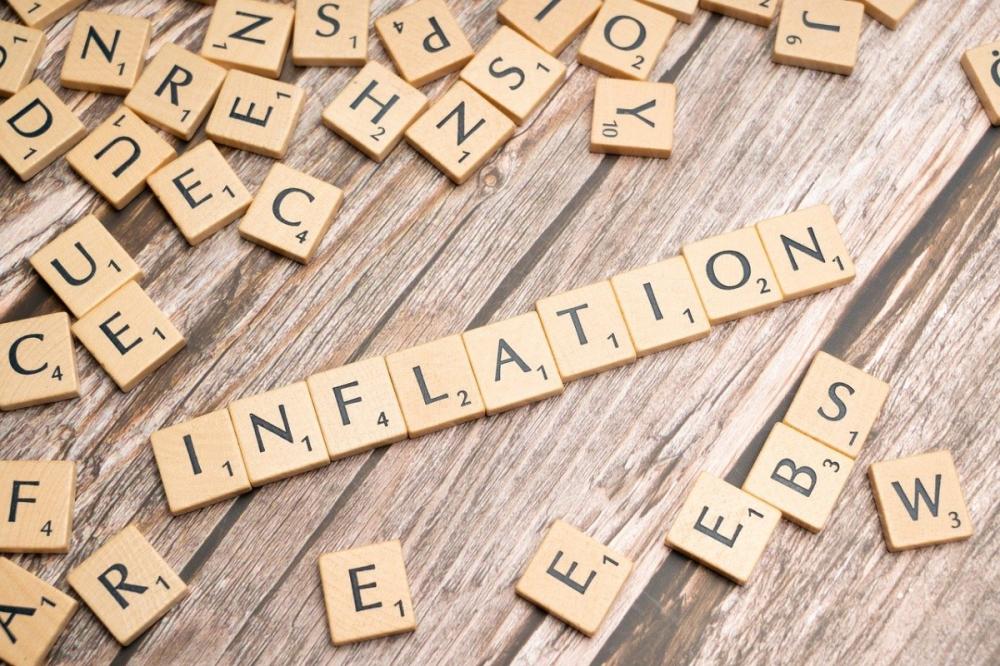
Image by Markus Winkler from Pixabay
Upward pressure on inflation from the conflict in Iran is now starting to emerge in prices. Transport inflation made the biggest contribution to overall consumer inflation, driven by petrol and diesel prices, which rose by 4.9% on the year. Meanwhile, within producer input prices, crude oil prices rose by 58.8% between February and March. As inflation has come in in line with revised expectations, and given yesterday’s labour market data which showed a fall in vacancies and further downward progress in wage growth, interest rates should hold at next week's MPC meeting. But there remains tremendous uncertainty over the outlook for energy supply and prices.
April has seen renewed pressure on business costs, with rises in the minimum wage, business rates, national grid charges, energy and financing costs. Against this backdrop, the need for the UK’s uncompetitive energy costs to be addressed is acute. Steps to reduce the influence that gas prices have on electricity prices are welcome, but yesterday's announcements will not lead to a break between the two and so are unlikely to provide businesses with significant relief. Decisive action is needed to completely decouple electricity and gas, while in the short-term committing to using revenue from the increased EPL to reduce the non-commodity costs which constitute the majority of business energy bills.
March’s data reflects the early impact of recent energy price increases, with further inflationary pressure from conflict in the Middle East still to filter through. For many UK households, this is an unwelcome development at an already difficult time.
Scottish Friendly’s Family Finance Tracker research, conducted before the recent conflict in the Middle East, showed six in 10 people do not believe the cost-of-living crisis is over, while two-thirds remain concerned about affording their regular outgoings over the next 12 months. Inflation is rising again, and sadly its impact on households’ financial confidence is nothing new.
For the Bank of England, an upward move in inflation would at the best of times reduce any likelihood of easing policy. A 3.3% reading today will only reinforce expectations that the BoE’s base rate will remain on hold next week.
As inflation picks up again, the legacy of recent years’ price rises may also be reasserting itself. For savers, while cash still offers short-term stability, it is important to recognise that it can struggle to preserve real value in an environment where inflation is rising. For those looking to protect purchasing power, investing could potentially be the right long-term option.”
Inflation ticked up in March, as the energy shock from the Iran conflict began to feed through to the UK economy. We expect the conflict to put upward pressure on households’ fuel, energy, and food bills in the coming months. While risks are tilted to the upside, at this stage it seems unlikely that inflation will rise to the same extent as during the previous energy shock in 2022.
We continue to expect that the Bank of England’s Monetary Policy Committee will keep interest rates unchanged at its next meeting, as it waits to see how the inflationary impact of the Iran conflict develops. Persistently weak domestic activity and a looser labour market imply that rate hikes are relatively less likely in the near term, but they could still be a possibility if the conflict escalates significantly.
The jump in UK inflation from 3.0% to 3.3% in March is bad news but not quite as bad as some feared (the Bank of England expected the rate to be "close to 3½%”).
Moreover, this jump can be entirely accounted for by the increases in transport costs (mainly motor fuels), which is hopefully a one-off.
The Bank's Monetary Policy Committee may also be reassured by the news that core inflation (excluding food and energy) ticked down from 3.2% to 3.1%.
Nonetheless, these numbers are too high for comfort, and the headline rate is moving even further away from the MPC's 2% target.
This is also just the early stages of the latest inflation shock. It will take several months for the jumps in the costs of fuel and other commodities to be passed through in full to the prices of other goods and services.
It is also too soon to judge whether there will be any other second round effects, notably a sustained increase in inflation expectations.
In the near term, inflation will probably fall back in April, reflecting the reduction in this month's Ofgem cap on domestic energy bills and some favourable effects from other regulated prices.
But pipeline pressures are building elsewhere and, unless the government intervenes further, the Ofgem cap is going up again in July.
"That said, two factors should prevent inflation from taking off - and mean that the Bank of England can keep interest rates on hold despite the inflation risks.
First, demand is weak. Firms have little pricing power, other than on essential goods and services, and the softness of the labour market means that wage growth is likely to remain subdued.
Second, the supply of broad money (specifically, "M4ex") has been growing at an acceptable pace of around 4%. This means that increases in the prices of the goods and services most affected by the Iran war are more likely to be offset by falls, or smaller increases, in the prices of others.
In contrast, growth in broad money peaked above 15% in 2021 as the Bank of England monetised the surge in government borrowing during the pandemic. This then helped to fuel the spike in inflation in 2022 as energy prices jumped following Russia's full scale assault on Ukraine.
In short, unless the Middle East crisis escalates further, UK inflation will probably be capped at around 4% this year and then fall sharply next year.
But this is still a major shock, with the economy set to flatline at best in the second quarter and possibly the third too.