



search
date/time

Sun, 12:00AM
scattered clouds
1.4°C
S 14mph
scattered clouds
1.4°C
S 14mph
 | Sunrise | 7:31AM |
| Sunset | 5:09PM |  |
P.ublished 14th February 2026
business
How To Stay Focused: Five Tips For Business Leaders On How To Optimise Business Performance
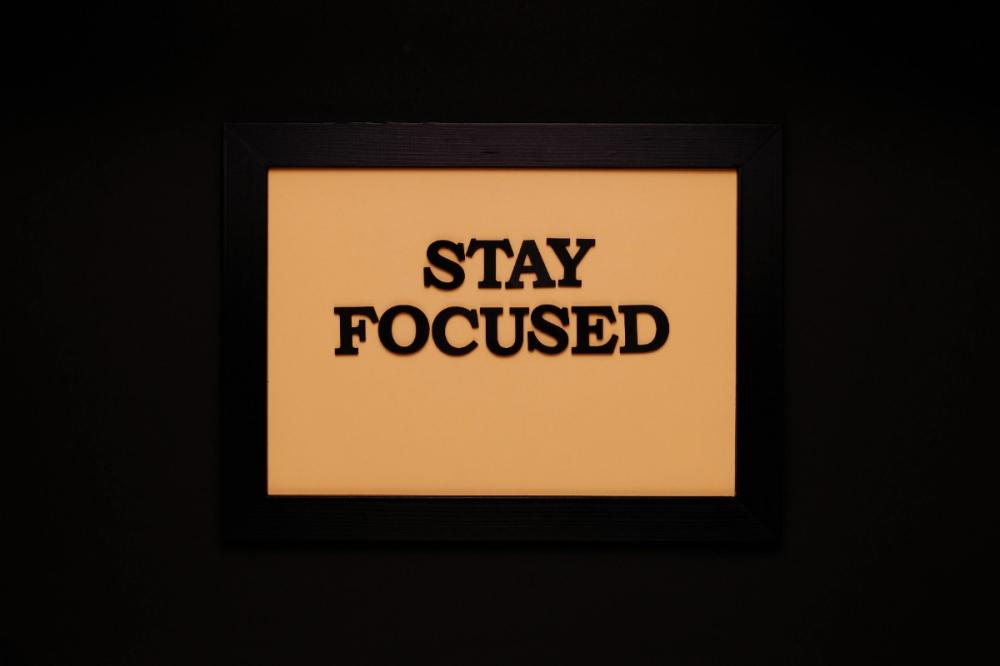
Photo by Thirdman: Pexels
Workplace leadership expert Drew Povey, founder of the Drew Povey Consultancy, says success in today’s world comes down to “doing less and doing it better.”
“Focus is very rarely about doing more. It's actually about doing things that matter and doing them with purpose, says Drew.
“We live in an ADHD world with constant noise, distraction and competing priorities. People can’t seem to have dinner or sit in a meeting without checking their phone.
“But the people who perform the best aren’t the ones who are the busiest, but the ones who are clear about where they are going and what truly matters.”
.jpg)
Drew Povey,
If you don’t know what your goal is, you’ll drift. Focus always begins with a direction. I think that great leaders, they don't just set goals, but they create a crystal clear, 4k clarity of destination.
The most successful people know what good looks like, they know what success means and they know what they’re aiming to build. Without that strategy, you’re a flag flapping in the wind expending a lot of energy on tactics which just aren’t joined up.
It’s that alignment which creates momentum, and momentum is what leads you to your destination.
Be brutally honest about where you are
It’s not just about optimisation alone; it’s about being brutally truthful. Many organisations with whom I have worked have wasted energy because they plan from a starting point they wish they were at, rather than where they actually were.
The first job of leaders is to define reality. You can achieve this a number of ways, but using data is always a great place to start. You can look at the gaps people might have, key evidence points which show your successes and issues you may have in your culture.
It’s about getting back to basics and looking at what you currently have, because you can't look at the future if you don't know your starting point.
Get strategic
Strategy is the bridge between where you are and where you want to be. It's definitely not just the slide deck.
Strategy is so much more than a document.
Knowing where you are and knowing where you want to go isn't enough, because focus will rely on how you're going to move from where you are to where you want to be.
It's a set of really intentional choices. What are we going to prioritise? What will we stop doing? What will we say no to?
There’ll be loads of things which come your way which could sound great, but it’s about being able to prioritise and seeing whether they fit into the strategy which will deliver that end result.
I think the strongest of strategies will simplify. They just reduce that noise, and they give people the ability then to focus down.
What matters most?
Urgency is seductive. When you’re busy you feel like you’re getting somewhere and you can put aside the thoughts of ‘what is it I am trying to achieve?’
But it’s those thoughts which you need to be addressing.
High-performing leaders distinguish between what's loud and what's valuable. Don’t let yourself be hijacked by urgency and chaos, but protect your time and attention for the work which will truly move the needle.
Because if everything is urgent, nothing is strategic.
Play to your strengths
Sustainable focus comes from energy, not willpower. Power beats willpower every time, and if you can connect with your 'why' and what your strengths are, you can achieve more.
When I deal with somebody who's a high performer, from an athlete or a leader or a coach in sport, they spend the majority of time doing what they're best at.
In economics, it’s called ‘comparative advantage’ – focusing on the thing which you can produce at the lowest opportunity cost, which will then put you ahead in that specific field.
It may be that someone in the team is better at the technical side of things or is more creative – so let them do it. It doesn’t take away from you as a leader; it strengthens you.
If leaders can operate in a strength zone, their focus will increase because they're good at it and they enjoy it. The quality of the decisions will improve, and performance will accelerate.