



search
date/time

Sat, 1:00PM
light rain
7.2°C
NNE 12mph
light rain
7.2°C
NNE 12mph
 | Sunrise | 4:10AM |
| Sunset | 7:55PM |  |

Alicia Newton
Sport Reporter
P.ublished 4th May 2026
sports
Historic And ‘Standout’ Medals Unveils For The 2026 Glasgow Commonwealth Games
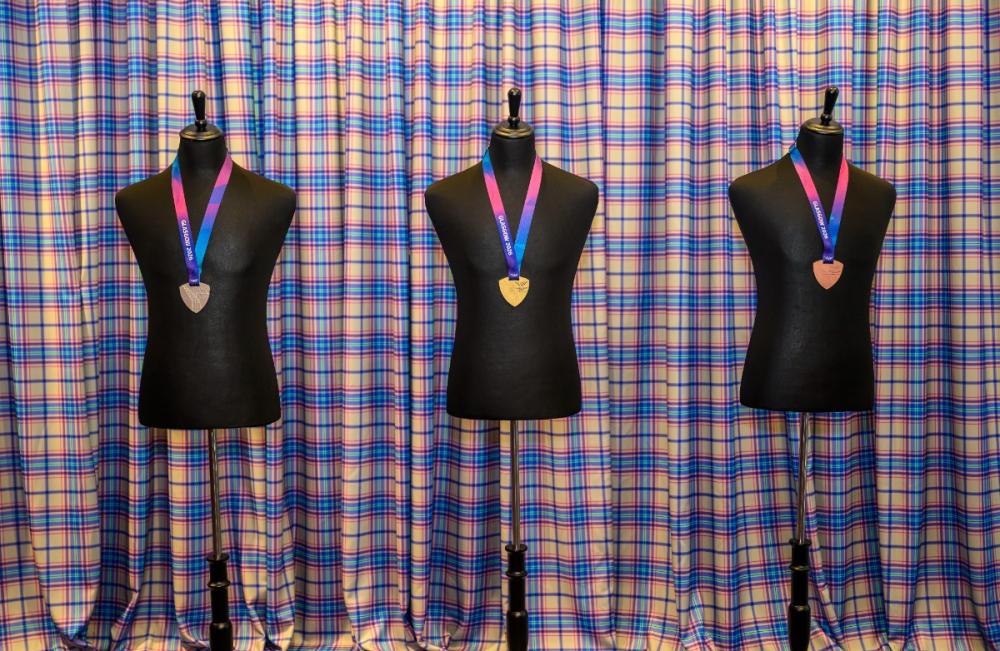
Photos courtesy the Commonwealth Games
The ‘world-first inclusive design’ is inspired by Glasgow’s iconic landmarks and coat of arms, with the Braille and tactile elements ensuring ‘inclusion is a tangible and felt experience’.
On the reveal of the prize medal, the president of Commonwealth Sport, Dr Donald Rakure said: “[The] medal reveal really brings home what Glasgow 2026 is all about – a reimagined Games where we’re not afraid to do things differently. Militsa has created a medal that athletes across
The Commonwealth will be striving to win and proud to wear.”
“Accessibility has been central to the design priorities throughout. The medal has been created around inclusivity, with every detail carefully considered, from the Braille and the tactile elements to the three-tiered structure and distinctive shape. It will be instantly recognisable, and even among a lifetime of achievements, athletes will know straight away that this is Glasgow 2026.”
The medals were designed in secret by award-winning artist, designer and maker and GSA Artist in Residence Militsa Milenkova, who was selected to design the medals following ‘a collaboration between Glasgow 2026 and The Glasgow School of Art’.
The Glasgow 2026 medal is formed of a Reuleaux triangle, a distinctive geometric shape that sets it apart from any prize medal seen before.
.jpg)
Photos courtesy the Commonwealth Games
On her design of the medal, Militsa, who is originally from Bulgaria, said: “I designed the medal to be a standout edition of the Commonwealth Games medals. I wanted it to be something that the athletes would resonate with. When I was thinking about the design, I wanted to try and fit Glasgow into one shape, and to do that, I was naturally drawn to the symbol of the city – the coat of arms. That’s where I took the distinctive shape from.”
There are three surface levels representing the podiums that athletes step on to, which are possibly the biggest moments of their lives. And I wanted to make inclusion tangible; I’m so proud that the design is tactile and accessible with details expressed in Braille on the prize medal for the very first time.”
The prize medal is one of many ‘key visual and ceremonial elements’ of the games which have been designed and created by local artists.
The Official Tartan of the Games (designed by one of Scotland’s leading textile designers Siobhan Mackenzie)
The Longines Countdown Clock located in Central Station (designed by GSA graduate Agnes Jones)
The 74 King's Batons which are travelling across the Commonwealth before arriving in Glasgow ahead of the opening ceremony (designed and created by Tim Norman at GalGael).
On the involvement of local artists in the upcoming games, the Chair of Glasgow 2026, George Black CBE said: "The Prize Medal is the ultimate symbol of what our athletes are competing for this summer, and we wanted it to be truly worthy of that moment. Militsa has created something extraordinary, rooted in Glasgow's story, bold in its design and meaningful in its commitment to inclusion. Inclusion is at the heart of Glasgow 2026, with the largest para-sport programme in a games' history, fully integrated in the competition. For the first time, every athlete standing on that podium will hold a medal that speaks to who they are and what these Games stand for.
“The medal is part of a wider commitment to local artists and makers that runs through the fabric of these Games. From the Official Tartan to the King's Baton and the Longines Countdown Clock, we have worked with Glasgow's creative community to shape the look and feel of Glasgow 2026, because this is a Clyde-built Games in every sense."
The commissions of not only the medals but also the other ‘key visual and ceremonial elements’ of the 2026 Glasgow Commonwealth Games reinforce the games’ commitment to placing local creativity at the heart of the games.
This will ensure that the games are not only hosted by the city of Glasgow but are also shaped by its culture and heritage.
On what the medal means to the athletes, Scotland’s most decorated athlete, swimmer Duncan Scott, said: “I like the shape of it; don’t get many medals in that shape. It’s really cool, and the Braille is a nice touch. I get pretty excited looking at medals. They remind you of moments and the memories at certain championships.”
“The medal is always the goal of the sport, but the medal is so much more than that. People will flock in their thousands to come and watch the swimming, but it’s more than just the swimming moment. It’s the days of the training, the weeks, months, years leading into that, so for it to be symbolised in something pretty cool like this is quite special.”
Also by Alicia Newton...
Rowan Campbell-Pilling’s “Incredible Journey” Continues With GB3 Debut At SilverstoneYorkshire CCC Launches New Strategy ‘Chasing Glory 2026-2036’ In A BID To Return To The TopRanmore Sponsors 2026 England Hockey League Premier Division FinalsBeverley Town FC’s Captain James Piercy “Honoured” And “Proud” After Securing PromotionEnglish Institute Of Sport Sheffield Accredited As UK Sport Elite Training Centre