



search
date/time

Mon, 4:00AM
light rain
13.1°C
WNW 3mph
light rain
13.1°C
WNW 3mph
 | Sunrise | 4:44AM |
| Sunset | 7:36PM |  |
P.ublished 17th August 2026
frontpage
Government Must Be Honest About UK Energy Demand In Its Response To Rosebank Consultation
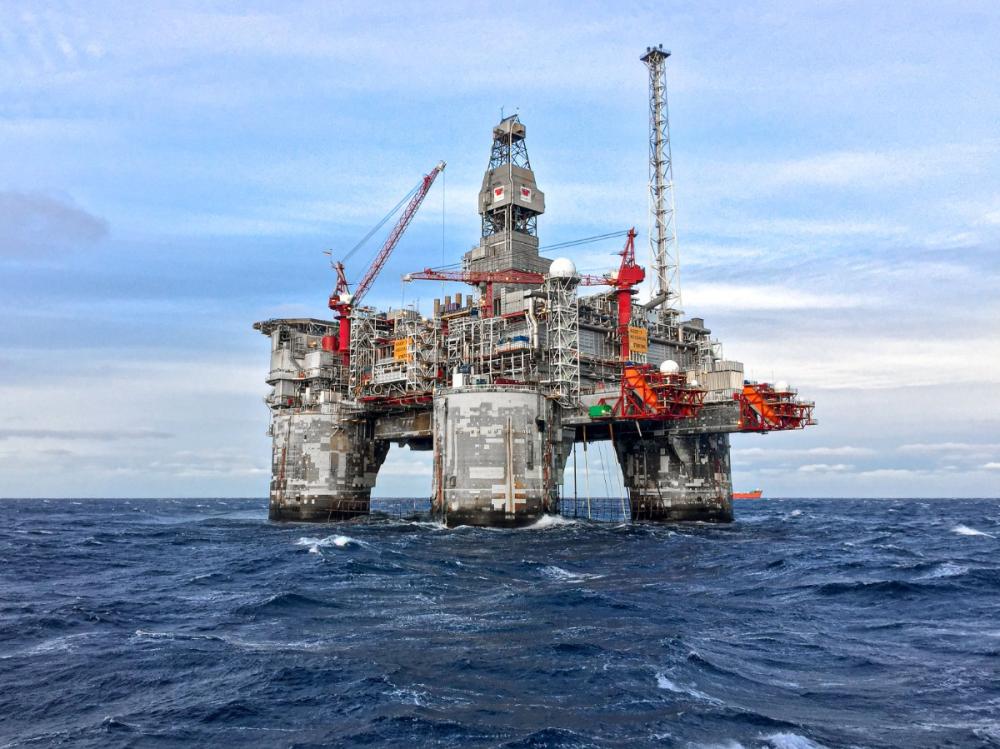
Image: Jan-Rune Smenes Reite Pixabay
The government response to the public consultation which closes today [Monday August 17th] will set the direction of the UK’s future energy policy, industrial resilience and its route to net zero. It is essential domestic energy resources are prioritised ahead of imports on that net zero journey.
Unprecedented heatwaves are reminding us that climate change is not a future threat but a present reality. The UK needs both urgency and realism in its energy policy. That means accelerating renewable energy and also being honest about today’s energy system.
The reality is that oil and gas still provide around 75% of the UK’s energy, keeping our cars moving, planes flying, homes warm and industries running.
If we do not produce this oil and gas here with lower emissions under one of the most tightly regulated regimes in the world, we do not end demand. It just means more imported oil and gas - often with a higher carbon footprint, while more jobs, taxes and industrial value are shifted overseas. The government must be honest about this.
The carbon emissions associated with the production methods being deployed at Rosebank will be around three times lower than the average for oil and gas extracted elsewhere in the world.
A positive decision on Rosebank would also send an important signal to investors that the UK remains a credible place to develop energy projects which will support economic growth, security of supply and emissions reduction.
Rosebank which lies more than a mile below the Atlantic 80 miles West of the Shetland Islands, is the UK’s biggest new energy project. It will contribute around 10% of UK crude oil production over the next decade and around 4% of UK domestic gas supply.
It represents approximately £8.7 billion of private investment and is expected to generate £24.3 billion of value for the UK economy. It will support more than 2,600 jobs during development and sustain hundreds more during its 25-year lifetime.
The best outcome from the consultation would be a positive and timely decision that allows Rosebank to move forward under a robust regulatory process, maintaining rigorous environmental scrutiny and recognising the continuing role of domestic oil and gas production during the transition to greater use of renewable energy.
An accelerated decline in domestic oil and gas production is already underway despite healthy reserves. Year on year imports of gas from the USA which involve carbon emissions up to four times higher, have risen sharply. This increasing reliance on imports means higher carbon emissions and knock-on damage to other industries including chemicals, cement and fertilisers, which depend on secure supplies of energy and other feedstocks.
The shortened address for this article is: newspub.uk/320lr
Search Results