



search
date/time

Wed, 4:00AM
moderate rain
10.2°C
3mph
moderate rain
10.2°C
3mph
 | Sunrise | 6:19AM |
| Sunset | 5:28PM |  |
P.ublished 28th July 2025
scitech
"From Lunchbox To Lightbulb": North-East Pupils Discover The Power Of Food Waste
Pixabay, Photo credit: IdeaTivas-TLM
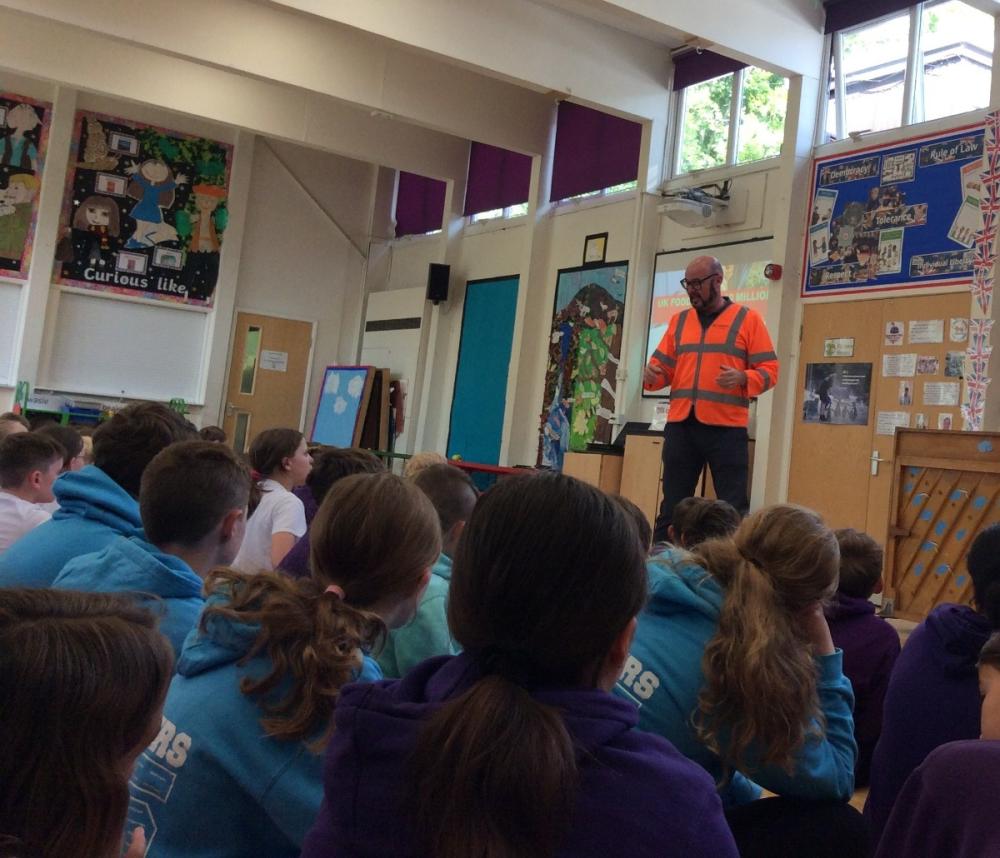
Over the past 18 months, Nick has delivered over 25 interactive classes, ranging from individual classroom talks to full school assemblies, designed to spark curiosity and shift perceptions around food waste. His interactive presentations bring the science of food waste recycling and AD to life, tracing the journey from school kitchens to AD plants like Bio Capital’s Emerald facility near Durham. Along the way, students learn that leftovers can be recycled into renewable energy and nutrient-rich biofertiliser, which can then be used on local farms: a fully circular process.
“Children are naturally curious, and when you show them that food waste can power homes or help grow crops, it really clicks,” says Nick Wilson. “We’re not just talking about bins: we’re talking about behaviour change, and it starts with understanding that food waste isn’t waste at all. It’s a really valuable resource. By engaging young people early, Bio Capital aims to foster long-term behavioural change and empower students to become sustainability advocates in their homes and communities.” His classes also align with the UK Government’s upcoming Simpler Recycling reforms, which will require all households and businesses to separate food waste for collection.
Courtesy of Bio Capital
Bio Capital currently partners with approximately 300 schools across the region, collecting and recycling their food waste, and transforming it into renewable energy. Nick’s presentations include interactive elements such as letting pupils smell digestate - the earthy by-product of AD - which always sparks laughter and curiosity. A recent visit to Swansfield Park Primary School was warmly received, with the school now introducing dedicated food waste bins and encouraging pupils to share what they’ve learned with their families.
“A huge thank you to Nick from Bio Capital for delivering such a fun, lively and eye-opening assembly,” says Anne-Marie Grimes, Head Teacher of Swansfield Park Primary. “The children were absolutely fascinated to learn all about what happens to their recycled food waste and were buzzing with excitement afterwards. His visit brought the topic to life and helped everyone understand just how important recycling can be.”
The shortened address for this article is: newspub.uk/31vzx