



search
date/time

Wed, 4:00PM
overcast clouds
17.1°C
W 11mph
overcast clouds
17.1°C
W 11mph
 | Sunrise | 5:40AM |
| Sunset | 6:22PM |  |
P.ublished 16th September 2026
frontpage
Food Inflation Set To Almost Double As 2027 Storm Clouds Gather, Industry Forecaster Warns
El Niño, Middle East turmoil and rising input costs threaten a fresh squeeze on shoppers, as figures show inflation already climbing to 3.1% in August
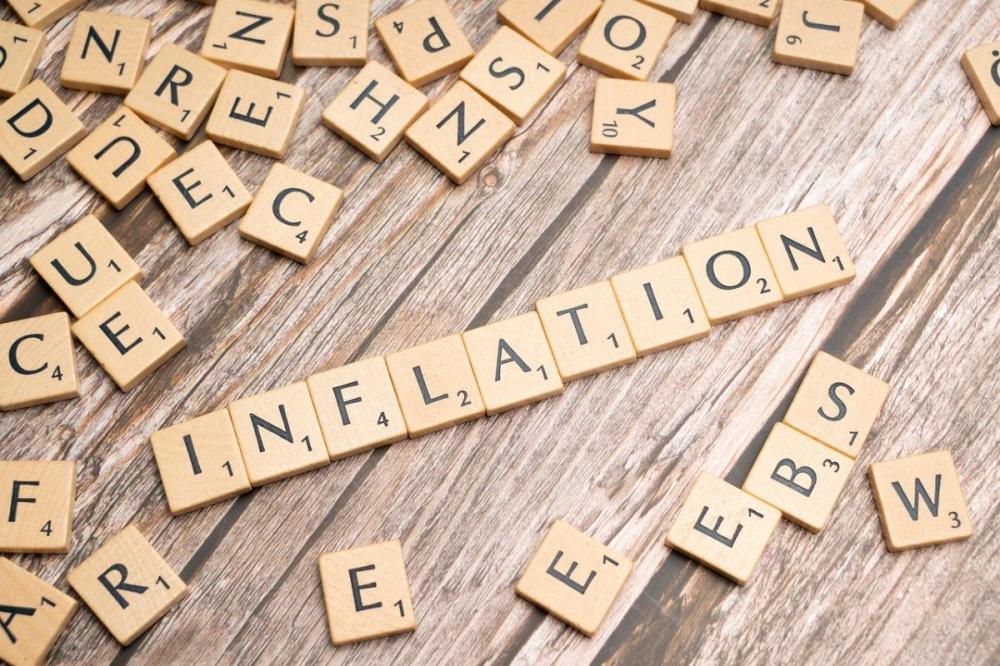
Image: Marcus Winkler from Pixabay
The warning from the Institute of Grocery Distribution (IGD) comes as official figures showed headline inflation accelerating to 3.1% in August, driven largely by fuel prices, with economists warning worse could be ahead for households already stretched thin.
IGD's latest forecasts put average food inflation at between 2.9% and 3.9% for 2026, before it climbs sharply to between 5.6% and 6.6% in 2027, and remains elevated at 5.3% to 6.3% in 2028. The forecaster said retailers had so far shielded shoppers by drawing on plentiful stocks, hedging arrangements and moderate demand built up earlier in the year — buffers it expects to weaken as pressures intensify.
Crucially, IGD said the higher inflation once expected this year has not gone away, but has instead been delayed, with the timing of price pressure pushed back to build through 2027 and persist into the following year.
Chief among the risks is El Niño, a weather phenomenon IGD had already flagged as a high-severity threat and which is now affecting major food-producing regions. The organisation said evidence pointed to an extremely severe event, with effects on crop yields, quality and availability likely to be felt well into 2027 and beyond, compounding pressure from disruption in the Middle East and rising input costs.
Fruit and vegetables are expected to bear the brunt, given their short production cycles and high sensitivity to weather, while other food and non-alcoholic drinks are also expected to make a significant contribution as energy costs, regulatory change and supply chain disruption ripple across the wider grocery sector.
"Food inflation's current weakness will not last," said James Walton, chief economist at IGD. "Stock buffers and hedging have delayed, not removed, the pressure building from disrupted energy markets and extreme weather. Shoppers have already adapted to repeated periods of high food price inflation. Many have changed how and where they shop, switched products or reduced discretionary spend, leaving fewer options available to absorb any further price rises."
Businesses needed to look beyond short-term fixes, he added, and focus on strengthening the resilience of the food system, including through greater productive capacity, ideally domestically where appropriate, to support more stable pricing over time.
The forecast lands alongside fresh evidence that the squeeze on households is already tightening. Kevin Brown, savings expert at Scottish Friendly, described August's inflation reading as "another worrying development" for households, warning that faster price rises leave less room in budgets already absorbing other costs, with wages failing to stretch as far. The data, he said, would weigh heavily on the Bank of England's interest rate decision on Thursday, strengthening the case of policymakers who believe rates need to rise further.
Martin Sartorius, lead economist at the CBI, pointed to higher fuel prices as the immediate driver, with escalating tensions across the Middle East expected to push energy costs — and some domestic prices — higher still in the months ahead. He said the Bank's Monetary Policy Committee was likely to hold rates at its next meeting given limited signs of domestic price pressure, but would be increasingly alert to the risk of energy costs feeding through to persistently elevated inflation.
At the Institute of Economic Affairs, senior economist Valentin Boboc said the rise to 3.1% underlined the continuing squeeze on household budgets, and urged ministers to cut the costs imposed by domestic policy — from planning restrictions to energy levies and business regulation — rather than raise public spending. Colleague Julian Jessop warned the acceleration meant private sector wages were probably now falling in real terms, with inflation likely to stay above the Bank's 2% target for at least another year.
Paul Nowak, general secretary of the TUC, struck a different note, linking the pressure on households to rising fuel and energy bills and a new price cap due next month. He called for banks to pay a greater share of tax on their profits, saying the proceeds could be used to cut energy bills and ease the burden on workers already facing "mortgage misery" from higher interest rates.
The shortened address for this article is: newspub.uk/320y2
Search Results