



search
date/time

Thu, 4:00PM
few clouds
12.1°C
SW 4mph
few clouds
12.1°C
SW 4mph
 | Sunrise | 5:35AM |
| Sunset | 6:43PM |  |

Jan Harris
Deputy Group Editor
P.ublished 20th January 2024
nature
First Full Moon Of 2024 Is The Wolf Moon

Image by Mohamed Hassan from Pixabay
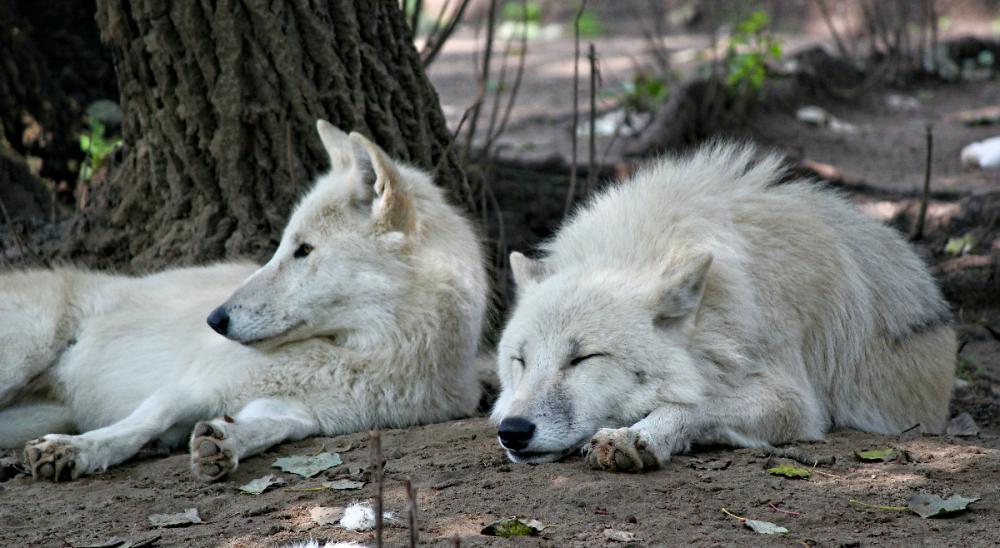
Photo by Dušan veverkolog on Unsplash
During the breeding season in February the wolves are particularly loud which is probably why people associate the month of January with the howling of wolves.
Wolves are nocturnal animals and so they probably howl towards the sky and the moon for better acoustics.
Wolf Moon - 25 January
Snow Moon - 24 February
Worm Moon - 25 March
Pink Moon - 24 April
Flower Moon - 23 May
Strawberry Moon - 22 June
Buck Moon - 21 July
Sturgeon Moon - 19 August (Blue Moon)
Harvest Moon - 18 September (supermoon)
Hunter’s Moon - 17 October
Beaver Moon - 15 November
Cold Moon - 15 December
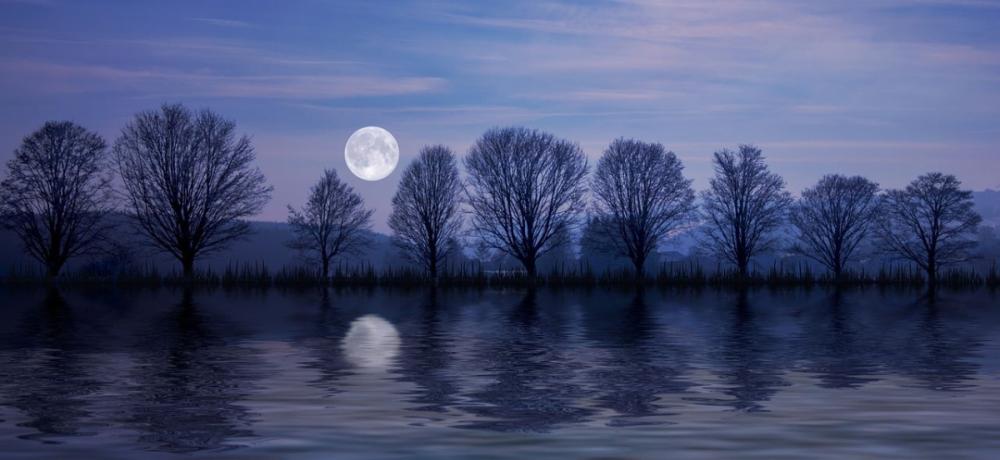
Image by Susan Cipriano from Pixabay
Full moons occur every 29.5 days or so as the moon moves to the side of Earth directly opposite the sun, reflecting the sun's rays off its full face and appearing as a brilliant, perfectly circular disk.
A full moon occurs when the moon's earth-facing side is completely illuminated by the sun. Scientists say that when you see the moon looking really large as it rises in the sky your brain is actually playing a trick on you.
There are many reasons as to why this is, but the main theory is that when the moon is low on the horizon it can be compared to earthly things, like buildings and trees, and this is why it seems huge.
Every month of the year there is a full moon which illuminates the sky, each of which is given a different name.
There are a total of 12 full moon phases during the annual lunar cycle plus the occasional Blue Moon and each full moon has a unique name, which is tied to the changing seasons, behaviour of the plants, animals, or weather during that month and reflects the landscape around us.
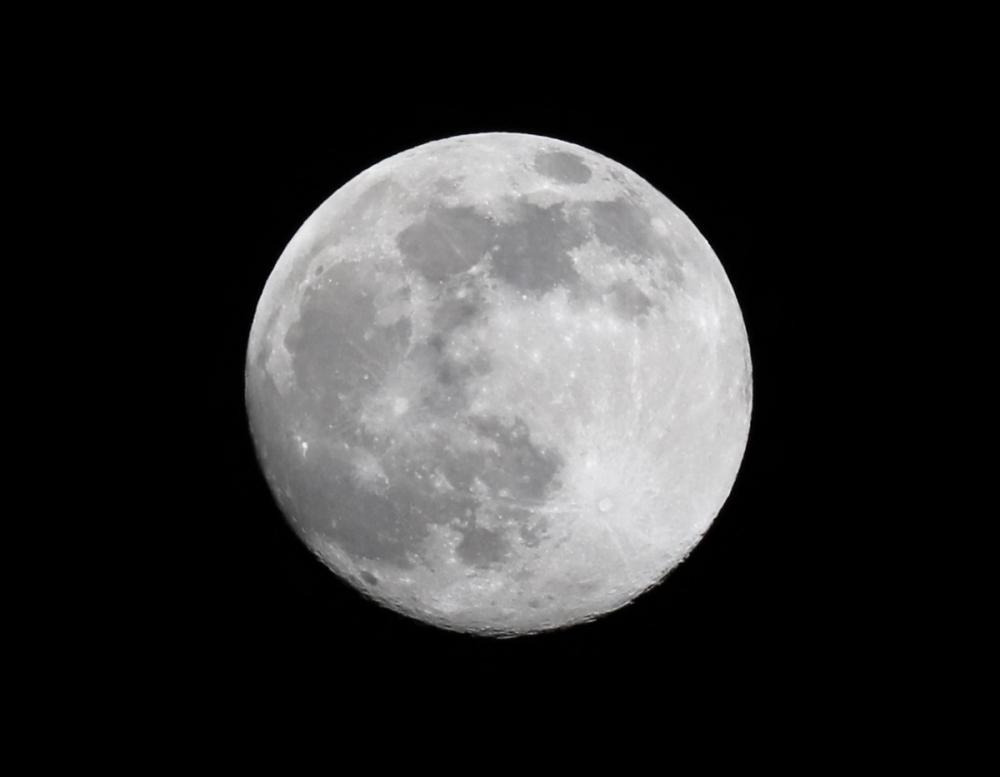
Photo by Rob Harris
The moon's diameter is 2,160 miles
The sun and moon are not the same size
The moon's surface is dark
The moon has quakes
There is water on the moon
The moon has a very thin atmosphere
A person would weigh less on the moon
The dark side of the moon is a myth
We only see the near side of the moon, the other side is the far side
Why different names for the full moon?
Some other names for the January full moon are Moon after Yule, Old Moon, Ice Moon or Centre Moon.
The names given to the full moons during the year are derived from the North American tribes who centuries ago kept track of the changing seasons by giving the full moons distinctive names depending on the time of year.
These names are now included into our modern calendar. However the full moon names we now use also have Anglo-Saxon and Germanic roots.
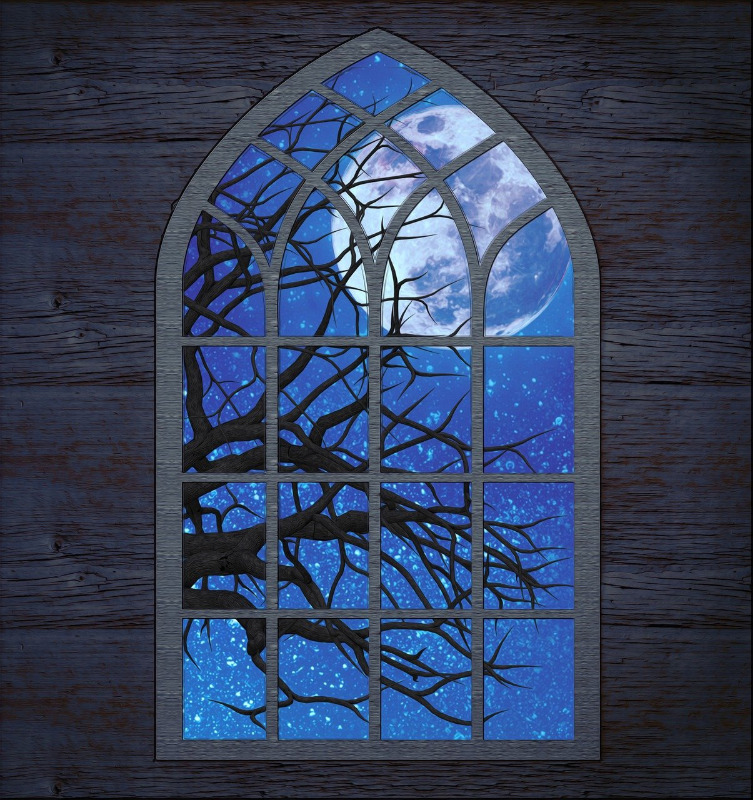
Image by Amy from Pixabay
Moons rise in the east and set in the west
If viewing from inside your house it is best to turn off lights so as to view the night sky
If outside it is best to go somewhere high so you can see the moon rise above the horizon
Viewing outside is the best and away from street lights and light pollution
Let's hope we get a few clear nights to view the Wolf Moon which will be visible in the sky a couple of days either side of the 25 January.
The next full moon will rise on Saturday 24 February and is the Snow Moon