



search
date/time

Sun, 12:00AM
scattered clouds
1.4°C
S 14mph
scattered clouds
1.4°C
S 14mph
 | Sunrise | 7:31AM |
| Sunset | 5:09PM |  |

Allison Lee
Smallholding Correspondent
P.ublished 14th February 2026
lifestyle
Donkeys Under The Weather
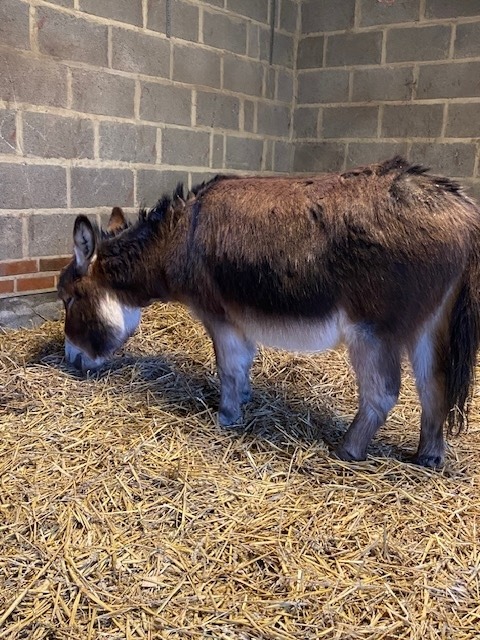
Flynn
Diarrhoea in donkeys can be serious and may sometimes indicate an underlying issue such as colitis or a heavy worm burden so I needed to get to the bottom of it as soon as possible (no pun intended!). Other reasons for diarrhea could be a change in the donkey’s diet or sudden access to lush spring grass.
I immediately started to go through the indicators carefully, trying to eliminate as many causes as possible.
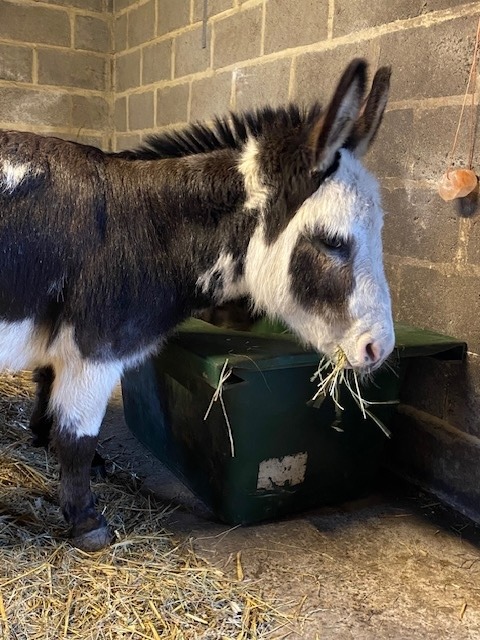
Jasper
The only change to their diet that I have introduced recently was a new paddock for them to graze in. The paddock is immediately adjacent to the one they normally graze in, but because of the recent rain, their usual grazing has been churned up, and therefore I moved them to a new one so that they wouldn’t be standing in a muddy field. I didn’t think this would cause a problem, as we are still in February, so although the grass in the new paddock is much nicer than the muddy field, it could hardly be described as being ‘lush spring grass’.
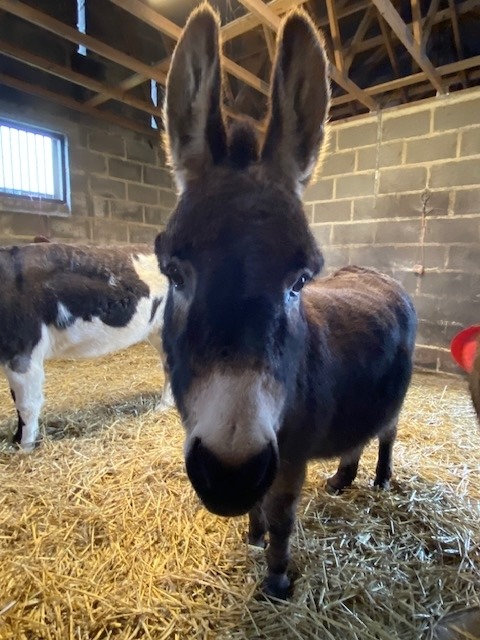
George
Armed with my gloves and bags, I promptly stood and waited for each of the three donkeys to duly open their bowels so that I could bag up a specimen to take to the vet. I didn’t have to wait long for the donkeys to comply; however, I only managed to get a sample from one of my Shetland ponies, as the other one had absolutely no intention of allowing me anywhere near his back end.
With four bags of poo in tow, I made my way to the vets to request egg counts and waited for the results to come in. Back home I considered some of the other signs of worms in donkeys, wondering what I might have missed. Signs of worms, in addition to diarrhoea, are loss of appetite, weight loss, lethargy, a dull coat and a bloated stomach. I could honestly say that other than the diarrhoea, which couldn’t possibly be missed, I hadn’t noticed any of the other common signs of worms.
I know I look after my animals well. I spend a lot of time with them, monitoring their well-being and catering for their needs to the very best of my ability, but I am conscious that some things are simply out of my hands when it comes to illness. However, it didn’t stop me from blaming myself. What if I hadn’t put them in the new paddock? What if I had done a fecal egg count sooner? What if? What if? It was futile, and I knew it, so I had to just wait for the results and go from there.
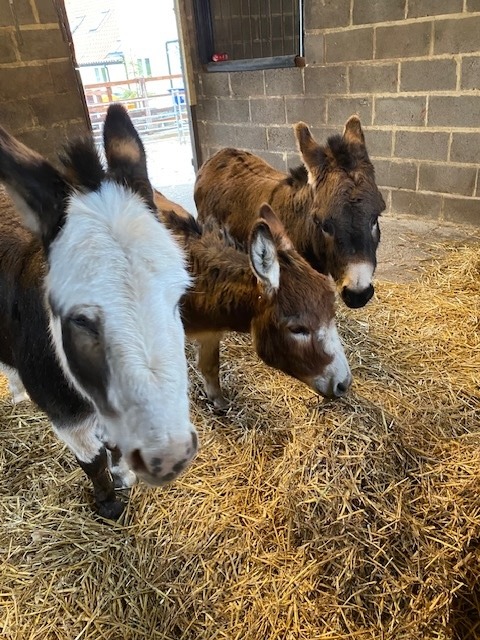
Waiting for test results
The next morning the results were in. To my surprise Flynn, who seemed to have the worst bout of diarrhoea, did not have a high worm count, and neither did Jasper. George’s worm count wasn’t particularly high either; however, given the diarrhoea, it was advisable to worm him. Jo-Jo, my miniature Shetland pony, was on par with George, and as he shares a stable with Chieftain, whom I couldn’t get a sample from, it made sense to treat both the ponies as well as George.
It really had been a strange twenty-four hours, and I don’t think I really have got to the bottom of what caused the diarrhoea, but as everything seems to have calmed down and there doesn’t appear to be any real issue, I can relax.
Now all I have to worry about is getting the wormer in them without it being promptly spat back at me, which often happens!