



search
date/time

Sun, 1:00AM
clear sky
8.3°C
W 15mph
clear sky
8.3°C
W 15mph
 | Sunrise | 6:25AM |
| Sunset | 5:21PM |  |

Andrew Palmer
Group Editor
P.ublished 10th October 2026
arts
Classical Music: Sol Gabetta Saint-Saëns & Lalo Cello Concertos
Gabetta brings French fire to period strings
Saint-Saëns' Cello Concerto No 2 in D minor Op 119; Cello Concerto No 1 in A minor; Lalo Cello Concerto in D minor
Sol Cabetta violincello
Les Siècles, Fraçois-Xavier Roth conductor
Sony Classical 9802800182
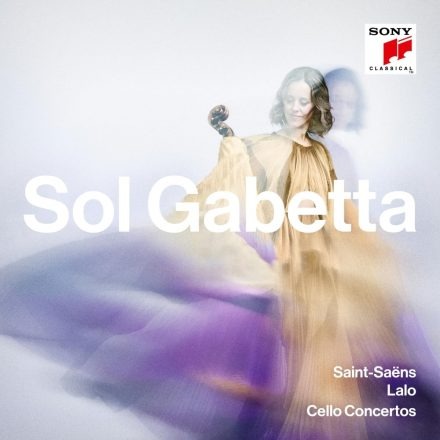
She opens not with the familiar First Concerto but with Saint-Saëns's Second, written in the composer's late sixties, long after the First, and a very different creature. Cast in just two movements, it is fiercely demanding, and Gabetta meets its virtuosic challenges, its fiendish passagework and relentless double-stopping, with complete assurance. She tackles it with real physical vigour, yet never at the expense of the composer's lyricism, and the resonant lower register of her instrument is glorious. The orchestral accompaniment is sensitive and finely judged, the woodwind particularly lovely.
There is a generosity of feeling in her playing, too, and an intimate understanding of her instrument that yields a lovely variety of texture. The short second movement, barely six minutes long, gathers an untamed energy as the pace quickens towards the close.
In the First Concerto, the delicacy of the orchestral writing in the central section allows every detail to emerge, and the solo entry is beautifully placed.
Lalo is remembered chiefly for his Symphonie espagnole, but his cello concerto richly repays attention. Gabetta goes straight to the heart of the piece, not least in the lyrical central passage of the first movement. Her honeyed tone is a delight, above all in the gorgeous Intermezzo, where the orchestral strings shine too. The work wears its Spanish influences openly, and Gabetta draws out its theatrical, almost vocal, colouring.
Also by Andrew Palmer...
Classical Music: The Beethoven Connection Volume 2Classical Music: Gershwin VariationsClassical Music: Softest ThunderRank's Gong To Sound Again On Hull's WaterfrontClassical Music: Granville Bantock Orchestral WorksThe shortened address for this article is: newspub.uk/3217s