



search
date/time

Sat, 10:00PM
broken clouds
18.5°C
WNW 5mph
broken clouds
18.5°C
WNW 5mph
 | Sunrise | 3:27AM |
| Sunset | 8:48PM |  |

Andrew Palmer
Group Editor
P.ublished 20th June 2026
arts
Review
Classical Music: Debussy: Piano Duets, Vol. 2
Mercier and Lortie return to French waters with unfailing charm
Prélude à l’après-midi d’un faune, L 86b; Clair de lune, L 75 / 3; Nocturnes, L 91; Lindaraja, L 97; La Soirée dans Grenade, L 100 / 2; Deux Danses, L 103b; Rêverie, L 68; En blanc et noir, L 134; La plus que lente, L 121a
Lous Lortie, Hélène Mercier
Chandos CHAN 20395
chandos.net
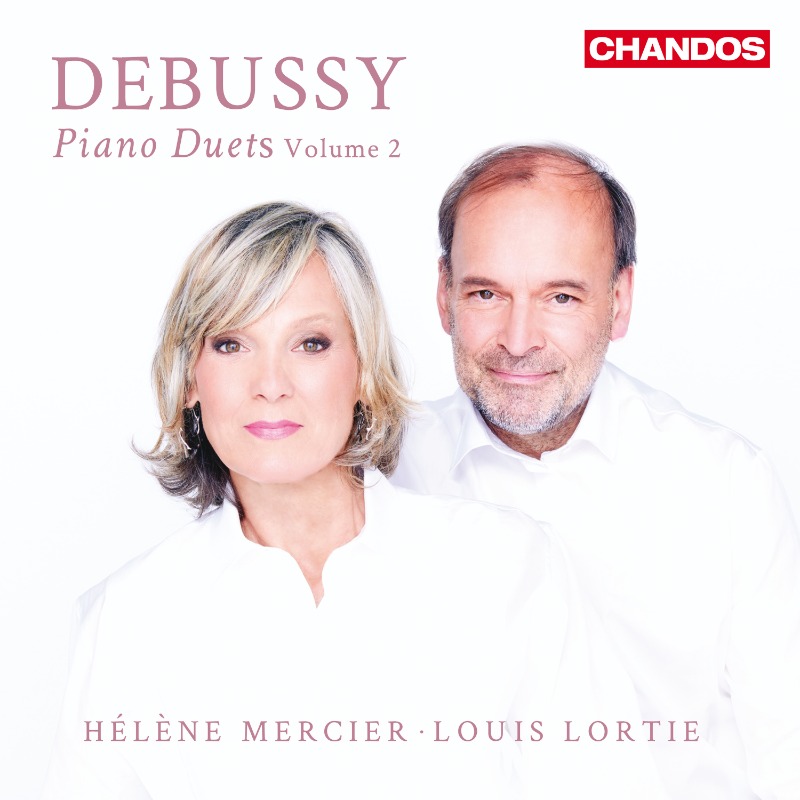
Hélène Mercier and Louis Lortie, both raised in Montreal, have been performing together as a duo since the 1980s, and that history tells it all. Their partnership—pursued alongside flourishing solo careers—has the easy intimacy of musicians who have spent decades in each other's company, on the concert platform, and in the studio. This is their ninth album for Chandos, and it continues the Debussy survey begun on their first volume of duets.
The programme is shrewdly assembled, pairing transcriptions – by Ravel, Dutilleux, Woollett, Durand and Roques – of some of Debussy's best-loved orchestral and solo works (the Prélude, the Nocturnes, Clair de lune, La Soirée dans Grenade, La plus que lente, and Rêverie) with two pieces Debussy conceived for two pianos from the outset, Lindaraja and En blanc et noir. Mercier and Lortie trade the first and second player's roles between them, a democratic arrangement that suits the unforced equality of their playing.
This second volume confirms everything that made the first such a pleasure. Where that earlier disc closed with the duo navigating the swells of La Mer, their four hands conjuring waves rising and falling with virtuosic abandon, here they return to gentler waters – the "dreaming water" of the Petite Suite's opening skiff is replaced by the hazy, sun-warmed stillness of the faun's afternoon. Mercier and Lortie's chemistry, so astutely synchronised in that earlier seafaring journey, remains entirely undimmed—still punctilious in their attention to dynamics, still alive to the colour and atmosphere in even the most familiar of these scores.
Also by Andrew Palmer...
Classical Music: Live From The Aspen Music Festival And SchoolSheffield Teens Scoop Top Honours At BAFTA Young Game Designers AwardsIgor Levit Launches His Own Label With A Defiant Message For Troubled TimesAll Singing, All Dancing, All AmberClassical Music: House of Wonder – Sally Beamish Celebrates 70 Years