search
date/time
 | North East Post Weekend Edition |

Andrew Palmer
Group Editor
P.ublished 31st January 2026
arts
Review
Classical Music: Chopin Orbit
Chopin as lodestar: Hayato Sumino charts new orbits
Hayato Sumino Prologue; Lydian Harp; Lydian Harp; Raindrop Postlude; White Keys; Thomas Adès Mazurkas for Piano Op 27 Second Mazurka; Larghetto; Janáček Good Night! Imaginary Polonaise; Godowsky Concert Paraphrase of Chopin's Grande Valse Brillante hopin Polonaise-Fantasie Op. 61, the C sharp minor Nocturne, the Berceuse, and the Raindrop Prelude—in dialogue with pieces that orbit them. Sumino's own compositions sit alongside Leopold Godowsky's transcription of the Grande Valse brillante, Thomas Adès's Second Mazurka, and Janáček's Good Night! from On an Overgrown Path
Hayato Sumino piano
Sony Classical 19958400671
More information here.
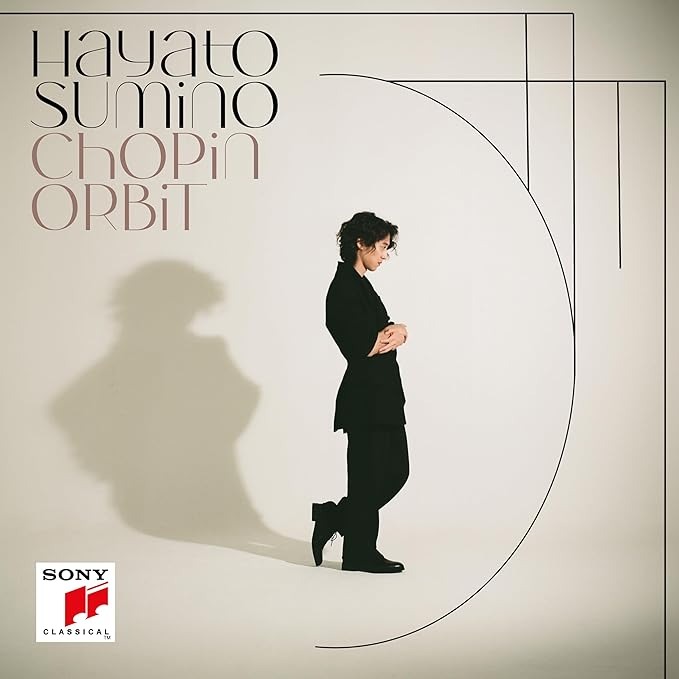
Sumino first captured international attention as a semi-finalist at the 2021 Chopin Competition, where his performances revealed a pianist of uncommon sensitivity and imagination. That same questing spirit informs this new recording, which places Chopin's works—including each paired with the Chopin work that inspired it.
Sumino's reflection on Chopin's Étude in G flat major—nicknamed Black Keys—gives him the opportunity to contradict it with a piece for white keys. His skill at recognising and blending musical textures is superb, presenting themes through varied techniques as if improvising them in the moment. Adès's Second Mazurka proves a wonderful fit, both in texture and performance, cleverly constructed from rhythmic spirals. Janáček's Good Night nestles snugly into this curated programme with its tender melody floating over soft chords—one can imagine a romantic walk beneath the stars.
The disc concludes with Chopin's Grande Valse brillante followed by Godowsky's Concert Paraphrase, a terrific finale showcasing Sumino's virtuosic command. Whether in the big-voiced drama of a polonaise or the intimacy of a nocturne, this pianist conjures sentiment without lapsing into sentimentality—the emotional electricity contained within this disc is remarkable. His playing is sublime; his affinity for Chopin luminous. There will be many listeners who treasure this album for its stylistic diversity and highly atmospheric playing.