



search
date/time

Thu, 10:00AM
clear sky
4.1°C
NW 5mph
clear sky
4.1°C
NW 5mph
 | Sunrise | 5:35AM |
| Sunset | 6:43PM |  |

Andrew Palmer
Group Editor
P.ublished 28th March 2026
arts
Review
Classical Music: Arise Shine
A valediction that glows with warmth, vision and human generosity
McDowall: Adoro te devote; Allegri: Miserere mei, Deus; Borel Regina Caeli; Maryam Giraud: Rain; Duruflé: Ubi caritas, Op. 10 No. 1; Gruber: Silent Night; Lucy Walker: The Lord's Prayer; A Hymn for St Cecilia; O sacrum convivium; Messiaen: O sacrum convivium; Gjeilo: Ubi caritas; Maggie Kaposamweo: Abide with Me; Anna Lapwood: Arise Shine; An Irish Blessing; Arlen: Over the Rainbow.
The Chapel Choir of Pembroke College, Cambridge
Anna Lapwood
Molly Hord (organ); Sophia Membery (organ); Sophia Membery (harp)
Sony19802963032
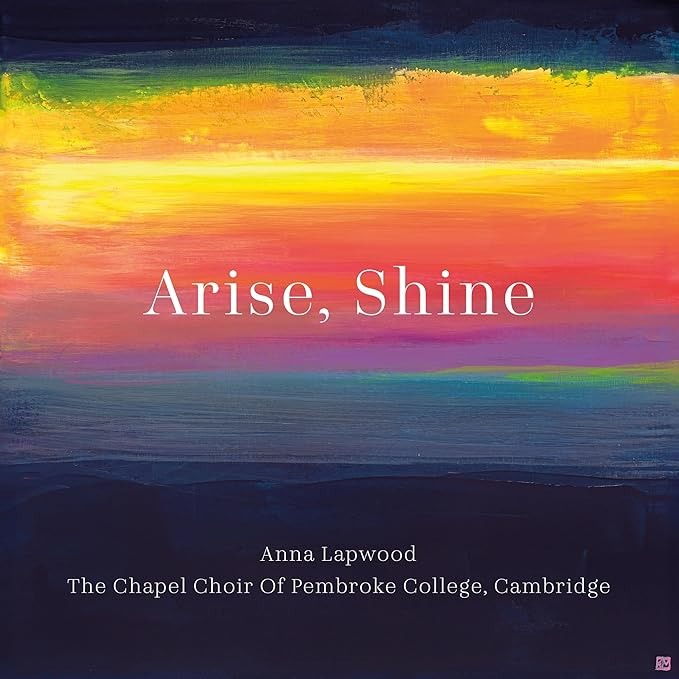
The balance and vocal tone throughout are exemplary, the diction clean without ever feeling clinical. The title track and Lapwood's own An Irish Blessing—both written in response to particular people and moments during her Pembroke years—carry an obvious warmth between the composer, conductor, and singers, with the choir responding to the subtlest dynamic shading with an ease born of long familiarity. Allegri's Miserere receives a performance of genuine beauty.
There is considerable human interest in the album's peripheries. A piece by Maryam Giraud, who entered the Girls' Choir that Lapwood founded in 2018 and is now an undergraduate at the college, sets a text by her fellow alto Cassidy McKinlay; and the commission for Abide With Me by the young Zambian composer Maggie Kaposamweo helped fund her studies at the University of Lusaka. These are not incidental details — they speak to what Lapwood has been quietly doing at Pembroke all along.
And then there is the closing track: Harold Arlen's Somewhere Over the Rainbow. It might seem an unlikely place to end a choral album rooted in the sacred repertoire, but here it makes complete sense. Lapwood is not reaching for novelty; she is reaching for something true — the idea that beauty and magic exist, if only we can find our way to them. In that spirit, it is the most honest ending the album could have had.
Gloriously done.
Also by Andrew Palmer...
Full Service History: Matt Miller's Joyful Solo Show Gets Right Under The BonnetSmall City, Big Landscape: Ripon Theatre Festival At FiveClassical Music: Fireworks And FanfaresClassical Music: Edmund Rubbra Crucifixus Pro Nobis: Choral MusicBucket List: Not A Destination, But An Experience