



search
date/time

Tue, 1:00AM
clear sky
8.1°C
S 4mph
clear sky
8.1°C
S 4mph
 | Sunrise | 6:02AM |
| Sunset | 5:51PM |  |

Andrew Palmer
Group Editor
P.ublished 28th September 2026
business
Business Leaders Tell The Chancellor: Now Show US The Money
Unions cheer return of workplace learning fund as employers warn soaring costs could sink growth plans
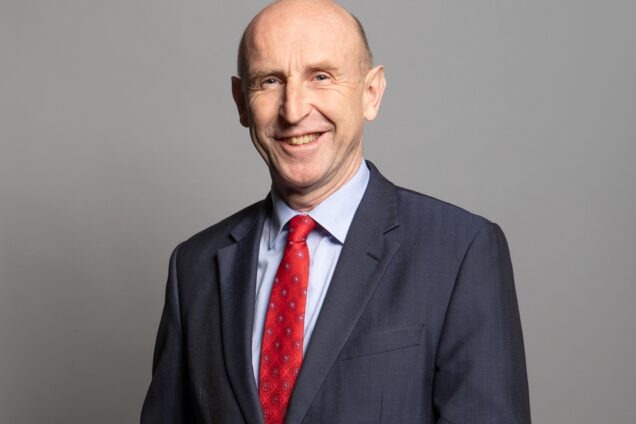
John Healey MP
The clearest winner was the Trades Union Congress, which hailed the decision to reinstate the Union Learning Fund and restore its budget to the level it would have reached had it never been axed.
The fund was set up in 1998 and had cross-party backing for more than two decades before Gavin Williamson, then Conservative Education Secretary, scrapped it in 2021. Brokered by unions, it helped thousands of workers each year, members and non-members alike, gain qualifications in English, maths and IT. Employers including Tesco, Heathrow, Arla Foods and British Steel spoke well of it.
"Restoring the Union Learning Fund is plain common sense and a real boost for workers, businesses and the economy," said TUC General Secretary Paul Nowak. The earlier closure, he argued, had been "ideological and a disastrous own goal", and today's announcement "rights that wrong".
Britain's problem, in his view, was not a lack of talent but "years of underinvestment in the skills workers need to adapt to a rapidly changing jobs market, especially with the increased adoption of AI".
The TUC estimates that, if the fund matches its best performance of the 2010s, around 180,000 workers a year could benefit, with between 400,000 and 550,000 learning opportunities over the three years of the scheme. It points to independent analysis from 2019, when the fund received £12 million a year, which found a long-run return of £12.87 for every pound spent and £3.60 back to the Exchequer.
A 2016 evaluation found that more than two-thirds of learners with no previous qualification went on to gain one, while 62 per cent said their learning helped them do their job better. More than three-quarters of employers reported a return on their investment.
The Confederation of British Industry struck a broadly approving note. Its chief executive, Rain Newton-Smith, said the speech had set out "a strong vision" and that the commitment to fiscal discipline should reassure markets that the government was prepared to take difficult decisions.
Of equal importance, she said, was the recognition that "business needs breathing space". Smarter procurement, apprenticeships shaped around local need and greater use of the National Wealth Fund could all help turn public spending into private investment. But the Budget, she warned, "now needs to turn them into action".
That theme of warm words awaiting delivery ran through every response. At the British Chambers of Commerce, Director General Shevaun Haviland called it "a significant speech" and welcomed the pledge to use public procurement to back British capability, though she insisted smaller firms must compete for contracts on a level playing field.
The £6 billion earmarked for British shipyards, she said, would be the test of whether projects could be delivered quickly and with pipelines clear enough to give firms confidence to invest.
Yet her enthusiasm came with a stark caveat. The strategy was "unlikely to succeed while the everyday cost of doing business is still soaring", with firms facing "a tsunami of rising costs from employment, energy and business rates". Policy-related operating costs for a typical small business, according to the BCC, have risen by more than 70 per cent in a decade.
Welcoming Mr Healey's focus on the almost one million young people not in employment, she urged him to go further with a cut in employer National Insurance contributions for under-25s. She also called for the Renewables Obligation to be cut by 75 per cent to bring down energy bills, lower business rates multipliers, and a "growth delivery test" for every Budget decision, asking whether each measure would prompt firms to take action they would not otherwise have taken.
The sharpest note came from the free-market Institute of Economic Affairs. Its senior economist, Dr Valentin Boboc, described "a sobering speech" about the state of public finances, observing that the country now spends more on servicing its debt than on the Home Office, defence and justice combined.
Backing industry and getting people into work were worthwhile ambitions, he accepted, but "government contracts, subsidies and union-led training schemes are no substitute for creating the conditions in which businesses can invest, innovate and employ". He wants next month's Budget to cut taxes, reduce energy costs and clear the barriers to investment.
So Mr Healey leaves the stage with a rare consensus that he has diagnosed the illness correctly. Whether anyone agrees on the cure will become clear next month.
Also by Andrew Palmer...
Dum-Di-dum-di-dum-di-dum… Ambridge Comes To HarrogateClassical Music: KinNorth Basks In 'Painted Lady Summer' – But Butterfly Experts Fear A Crash Next YearClassical Music: Bruch Violin Concerto No 1Classical Music: Neeme Järvi Conducts ShostakovichThe shortened address for this article is: newspub.uk/32138