



search
date/time

Thu, 12:00AM
scattered clouds
3.5°C
ESE 16mph
scattered clouds
3.5°C
ESE 16mph
 | Sunrise | 7:22AM |
| Sunset | 5:18PM |  |
P.ublished 18th February 2026
frontpage
Britain Cannot 'Just Stop Oil' – And Trying To Is Making Us Poorer, Dirtier And Less Secure, New IEA Paper Warns
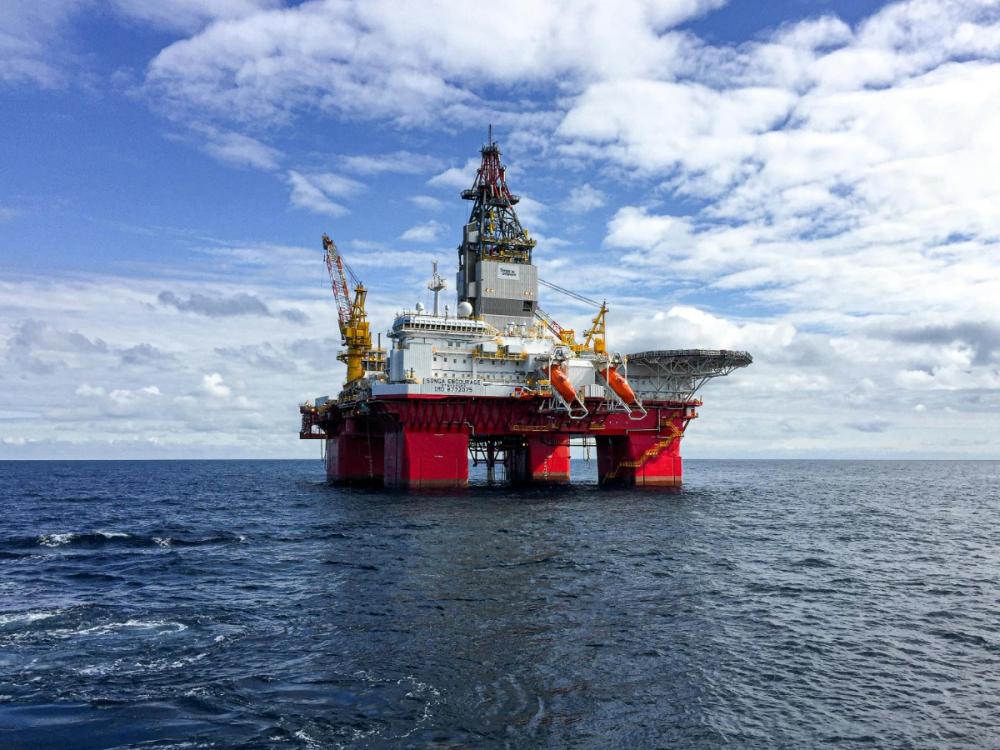
Photo by Jan-Rune Smenes Reite: Pexels
The paper, Just Stop Oil?, by energy expert Kathryn Porter of Watt-Logic, illustrates how oil and gas underpin modern life far beyond their role as fuels – from hospital equipment and medicines to fertilisers and electronics. Even the Climate Change Committee still projects UK demand of 168 million barrels of oil equivalent in 2050, around 40% of current production.
Porter argues that forcing premature decline in North Sea production does not cut global emissions – it increases them. Imported oil and gas carries a carbon footprint around 50% higher than domestic production, according to the Climate Change Committee.
The paper is particularly critical of the windfall tax, which has raised the headline rate on North Sea production to 78%. Rather than punishing the populist targets of Shell and BP, it has devastated independent producers. Harbour Energy paid four times more UK tax in 2022 than Shell despite revenues over sixty times smaller, saw its profits collapse from $101 million to $8 million, and has since cut over 700 UK jobs and shifted investment to Indonesia and Mexico. Apache has announced it will end all North Sea operations by 2029. Chevron is closing its Aberdeen office after 55 years.
Wood Mackenzie warns 2025 is set to become the first year since 1960 without a single exploration well in the North Sea. The workforce has already fallen from 120,000 to 115,000, with Robert Gordon University forecasting a decline to as low as 57,000 by the early 2030s. 89% of supply chain firms plan to increase non-UK business. In stark contrast, Norway is investing $26 billion in its continental shelf, making major new discoveries under a stable, investment-friendly regime.
The paper warns that accelerated decline also threatens energy security. As offshore pipeline infrastructure loses throughput, it risks cascading closures that strand viable fields. The National Energy System Operator has warned that by 2030 there could be insufficient gas to meet UK demand on cold days, with industry analysts expecting the risk to emerge as early as winter 2026/27.
"Oil and gas producers are not the enemy – they produce goods used by all of us every day. The windfall tax was supposed to target Shell and BP but instead it has hammered independents, driven investment overseas and vastly accelerated the decline of important tax receipts. Unless we change course rapidly, Britain will be increasingly reliant on dirtier, more expensive imports – and less secure on cold winter days when we need energy most."
Many people imagine that campaigns against oil and gas only target 'the industry' and not the rest of us. But in a modern economy, energy supplies and energy costs affect every sector of activity. Pushing up costs and imagining that we can simply eliminate oil and gas in sectors in which there is no satisfactory replacement risk bringing disaster. It would be quite simply destructive and counter-productive to 'just stop oil'.