



search
date/time

Tue, 7:00AM
overcast clouds
14.7°C
SSW 6mph
overcast clouds
14.7°C
SSW 6mph
 | Sunrise | 3:27AM |
| Sunset | 8:49PM |  |

Helen Kitchen
Deputy Business Editor
P.ublished 23rd June 2026
business
Brexit at 10: Business Leaders Urge Stronger EU Ties
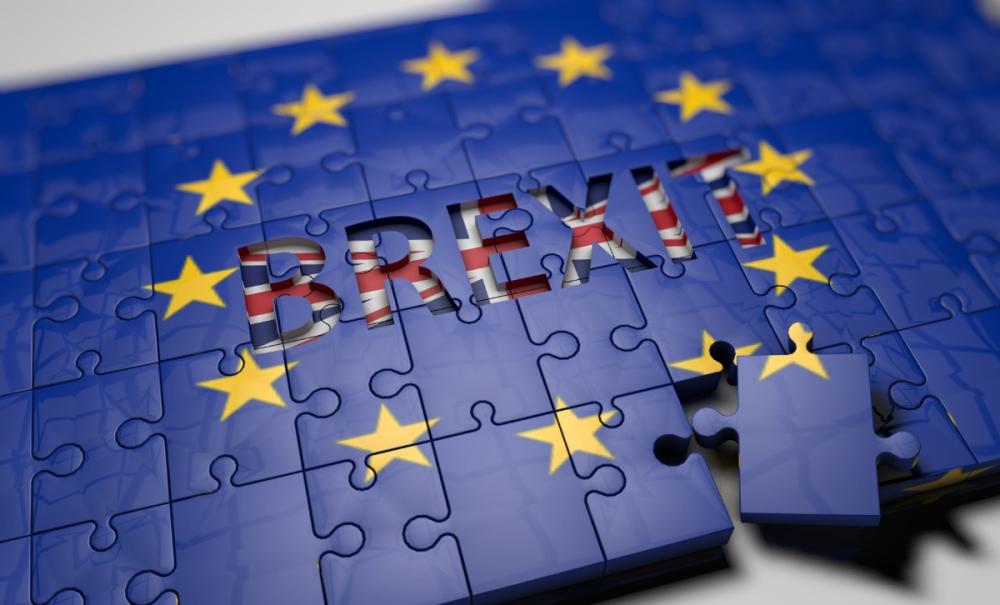
Image by DANIEL DIAZ from Pixabay
According to the ‘Brexit at 10’ report from Novuna Business Finance, one in five small businesses (20%) now cite the legacy of Brexit as a significant constraint on their development. This sentiment has remained a top-five growth barrier for smaller enterprises for the past five years, never falling below the 20% threshold since the UK formally exited the EU single market and customs union in 2021.
The data highlights a marked contrast between the optimism observed in January 2017—when 56% of small business owners believed Brexit would create opportunities—and the reality experienced by many firms a decade later.
Jo Morris, Head of Insight at Novuna Business Finance, commented: “There are differing views on Brexit today, as there were in 2016. For some small businesses, it has been greeted as an opportunity, for others Brexit is still viewed as a challenge. The one thing that hasn't changed in 10 years is that people continue to disagree on whether Brexit was a good or a bad idea.”
This shift in sentiment is mirrored at the corporate level. New research from the Institute of Directors (IoD) reveals that 52% of business leaders now believe the government should make the EU its top trading priority, a significant increase from 35% in April 2025.
Ahead of the UK-EU Summit scheduled for 22 July, there is also notable support for closer regulatory alignment. Nearly two-thirds (63%) of IoD respondents back the government’s approach to pursuing closer alignment, with 64% suggesting that dynamic alignment with areas of EU legislation would positively impact the UK economy.
However, the desire for closer ties is balanced against the importance of regulatory autonomy, with 75% of IoD respondents stressing that it remains vital for the UK to retain the sovereignty to shape its own regulations.
Emma Rowland, Trade Policy Advisor at the Institute of Directors, said: “Ten years on from the Brexit vote, the gravitational pull towards the EU has strengthened markedly. This data reflects the EU’s enduring role as the UK’s closest and largest trading market, and the one with which firms have the most integrated supply chains. In an increasingly uncertain global environment – characterised by geopolitical tensions, heightened protectionism and increased tariff barriers – business leaders are prioritising stability.”
Rowland added: “While progress in resetting relations is welcome, businesses continue to face friction, particularly around border paperwork and business mobility. The upcoming UK-EU Summit represents a critical opportunity to build on that momentum, particularly in areas such as SPS cooperation and youth mobility, which can deliver tangible benefits for businesses.”
As smaller firms increasingly pivot towards domestic markets to navigate these long-term challenges, the findings suggest that the national conversation regarding the UK's relationship with the EU remains as complex and divisive as it was in 2016.
Also by Helen Kitchen...
Northern Talent Tracker: This Week's Key AppointmentsTees Valley Mayor Proposes Regional Wealth Fund From Industrial RevenuesNorthern Talent Tracker: This Week's Key AppointmentsLeeds Agency Expands With Dedicated Pharmaceutical Events DivisionPartington’s Launches Management Training Scheme Across Northern Parks