



search
date/time

Tue, 10:00AM
overcast clouds
11.1°C
ESE 10mph
overcast clouds
11.1°C
ESE 10mph
 | Sunrise | 6:45AM |
| Sunset | 4:57PM |  |

Allison Lee
Smallholding Correspondent
P.ublished 5th September 2026
lifestyle
Bluetongue Virus
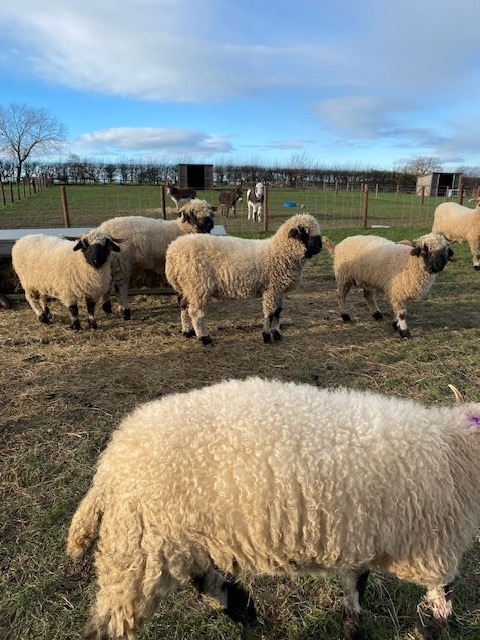
Protecting sheep from the virus is essential
Bluetongue virus is an insect-borne viral disease that affects sheep, cattle, goats, deer and camelids such as llamas and alpacas. Whilst sheep are more likely to show the most severe and obvious signs of the illness, cattle and other ruminants can often carry the disease and show little or no symptoms, making detection difficult.
The virus is adding mounting economic pressure, along with the difficult weather conditions that farmers have had to contend with this year.
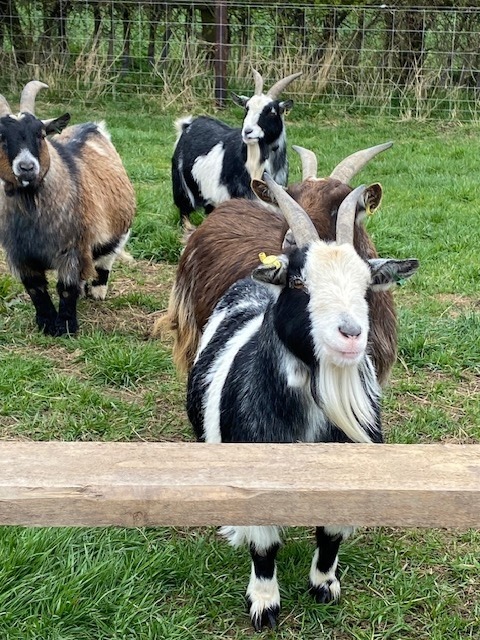
Goats are susceptible to the Bluetongue Virus
The strain of Bluetongue seen in the UK - Bluetongue Serotype 3 (BTV-3) - was first detected in England in November 2023. This year's unprecedented heat has created highly favourable conditions for the virus to spread, as soaring temperatures and heatwaves allow it to develop more quickly in the midges that carry it.
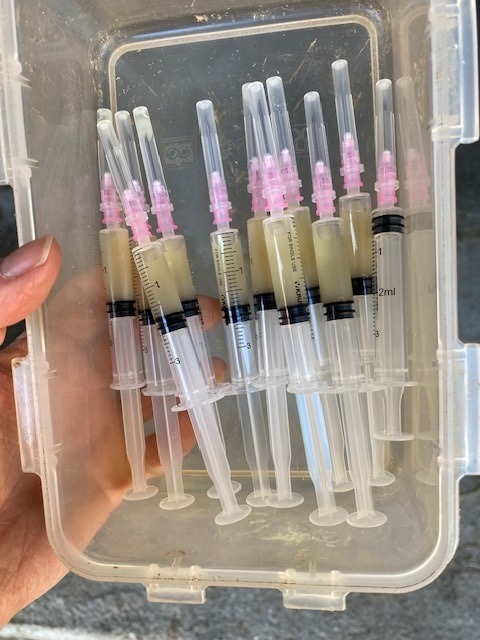
Vaccinations
Sourcing livestock responsibly
Keeping a close eye on livestock and remaining vigilant for the signs and symptoms of the virus, whilst remembering that not all animals will show them
Keeping animals housed when midges are most prevalent, such as at dawn and dusk
Ensuring high levels of hygiene on your premises
Ensuring that working dogs and pets are not allowed access to infected animals
Ensuring all livestock are correctly registered and traceable
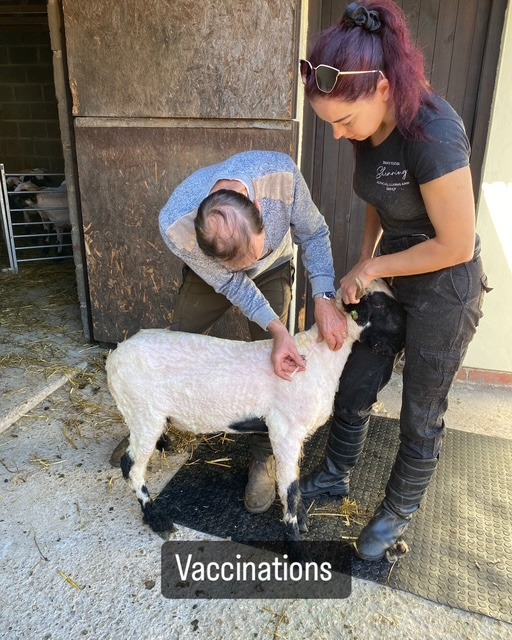
Vaccinating Sheep
At the time of writing, DEFRA has confirmed 456 cases of Bluetongue Serotype 3 (BTV-3) across the UK for the 2026/27 season. So far, there have been 439 cases in England, with the South West bearing the brunt, and Devon, Cornwall and Somerset the hardest-hit counties. Wales has seen 13 reported cases and Scotland 4. As of August 2026, over 2200 additional suspicious cases remain under investigation, as the high midge count and warm weather continue to drive transmission. Cases of the virus in the UK are surging much faster this year than last, with confirmed cases already exceeding the total reported during the entire 2025/2026 season.
Also by Allison Lee...
Brown Eggs Or White - Which Is Better?Feeding The BirdsPlanning AheadHeading Into AutumnThe Importance Of Community Hubs In Rural AreasThe shortened address for this article is: newspub.uk/320sl