Front PageBusinessArtsCarsLifestyleFamilyTravelSportsSciTechNatureFiction
Search  
search
date/time
Wed, 1:00AM
scattered clouds
9.1°C
S 9mph
Sunrise5:23AM
Sunset6:53PM
P.ublished 2nd April 2026
scitech

Artemis II: 10 Stunning Facts And Figures

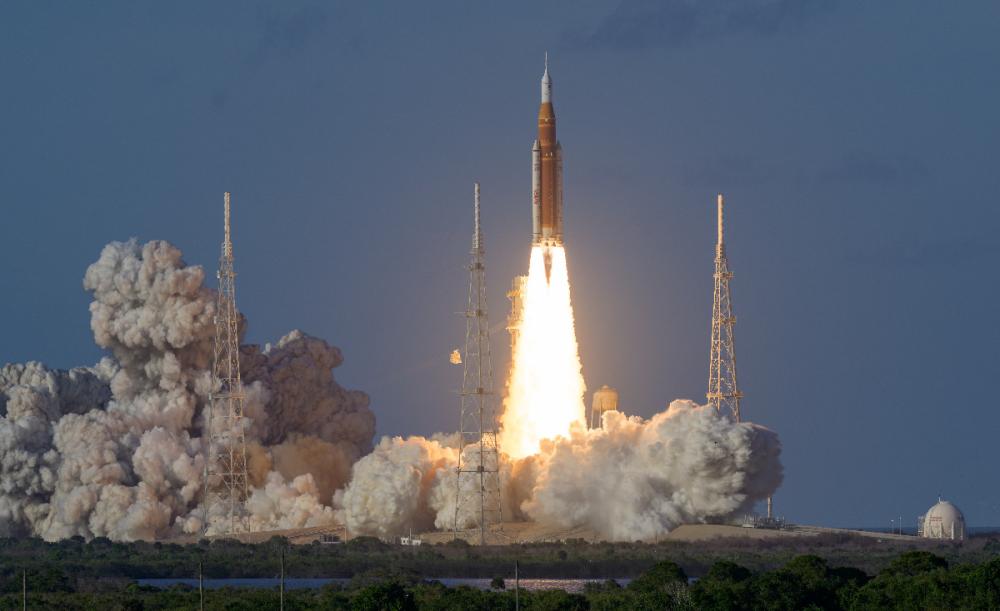
NASA’s Space Launch System rocket launches carrying the Orion spacecraft with NASA astronauts Reid Wiseman, commander; Victor Glover, pilot; Christina Koch, mission specialist; and CSA (Canadian Space Agency) astronaut Jeremy Hansen, mission specialist. Image Credit: NASA/Bill Ingalls
1During the initial takeoff stage the rocket will burn through six tonnes of fuel per second.

2Artemis II is taller than Big Ben by 2 metres.

3On the launchpad, Artemis II weighs 2,600 tonnes (Big Ben is almost 5 times as heavy).

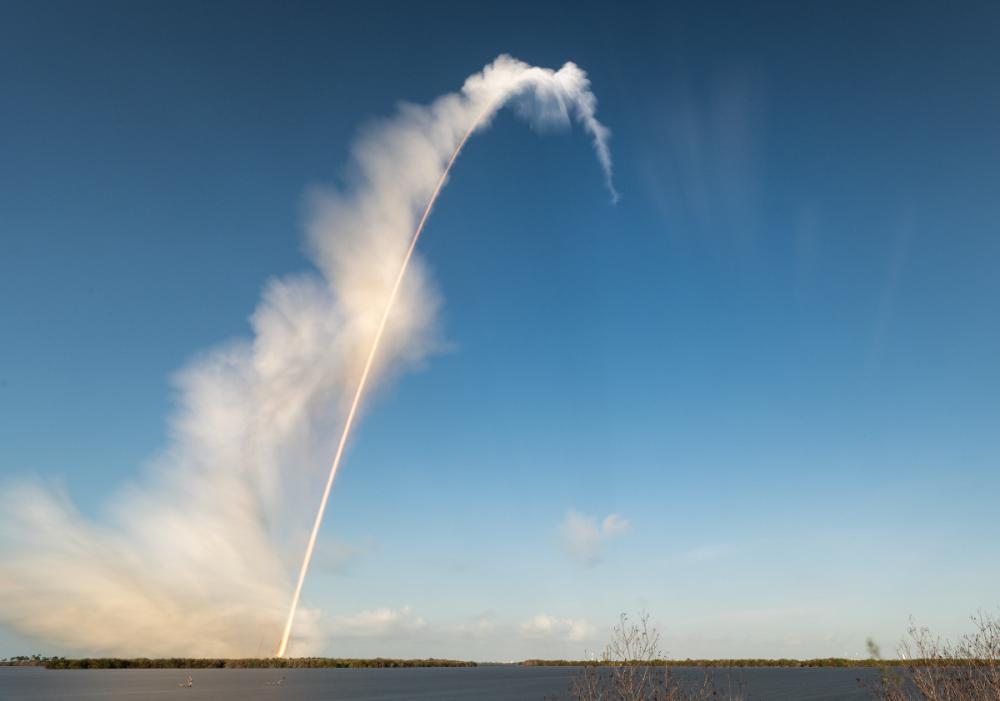
A three minute exposure of the launch of Artemis II. Image Credit: NASA/Keegan Barber
4Artemis II will travel 250,000 miles from Earth, beating the previous record of 248,500 set by Apollo 13.

5The crew will return to Earth's atmosphere at 25,000 miles per hour. At that speed it's not hard to see why the outside of the capsule reaches 2,750°C when it slams into the atmosphere.


6Mission Specialist Christina Koch will be the first woman to visit the Moon.

7The Artemis II pilot, Victor Glover, will become the first person of colour to travel to the Moon.

8Several ‘organ on a chip’ devices, which contain bone marrow-like cells grown from the astronaut’s own blood, will be on board so the effects of radiation on the astronauts can be analysed when they get back home.

9The Artemis II mission is the first time astronauts have ventured beyond low Earth orbit since Apollo 17. That was in 1972!

10The mission's Service Module was built by the European Space Agency (ESA). This supplies power, propulsion, and the all too critical life support systems.