search
date/time
 | North East Post A Voice of the Free Press |

Helen Kitchen
Deputy Business Editor
1:00 AM 4th December 2025
business
Apprentice Wage Rises Squeeze Northern SME Budgets
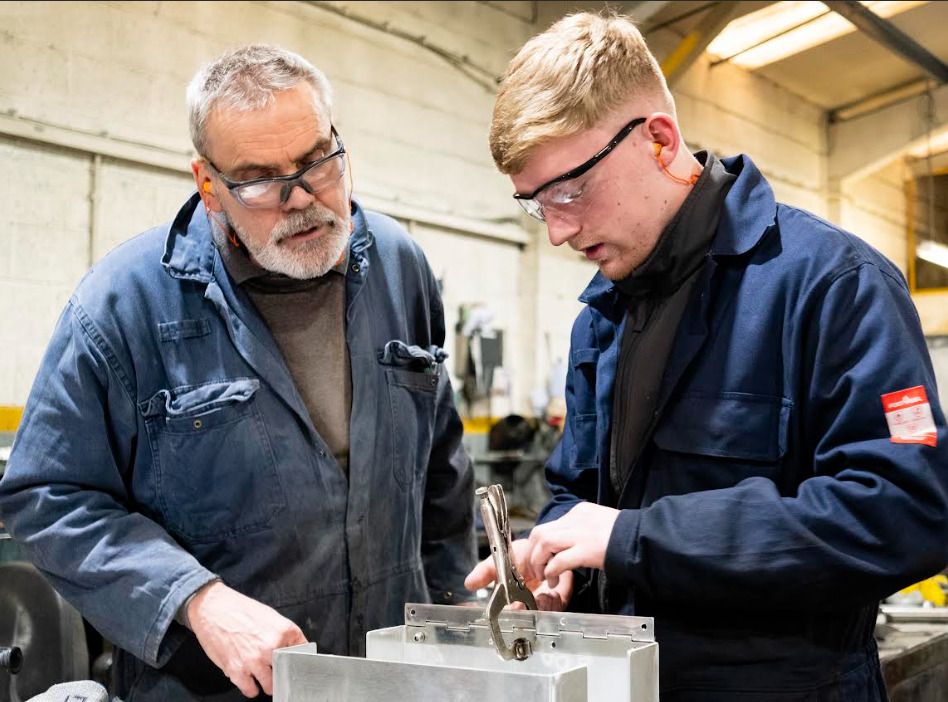
Tadweld Apprentice in Training
This financial pressure comes as UK apprenticeship places have already declined sharply, with 160,000 fewer starts recorded in the 2023/24 academic year compared to a decade ago.
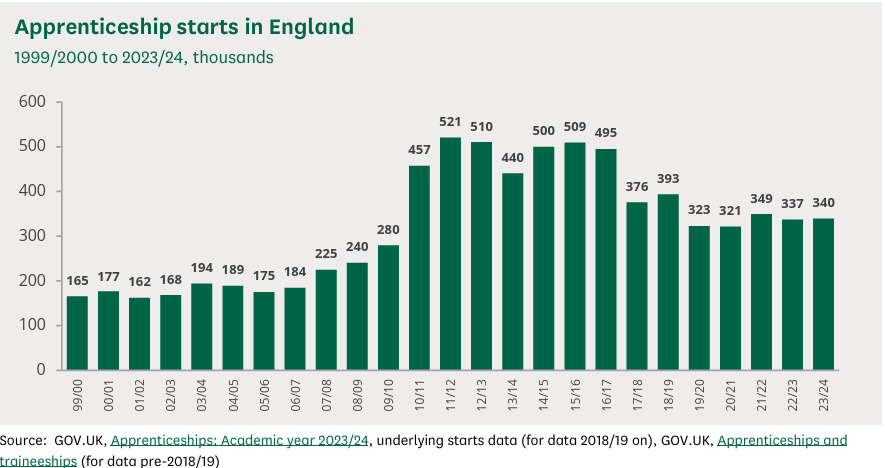
Source: GOV.UK
For industries like manufacturing and engineering, which rely on apprenticeships to staff skilled roles, the cost of training the next generation has become a critical issue.
Chris Houston, Managing Director of Tadweld, a steel fabrication and engineering company, explained the impact on their operation in Yorkshire:

Tadweld’s Managing Director Chris Houston
In 2023 the minimum wage for an apprentice welder was £6.00/hour. Whilst that may seem low, apprentices attend college one day per week and we pay them for that time too. They’re in training for most of the time they are with us, working alongside a skilled fabricator, so we’ve always seen apprentices as an investment rather than an employee able to produce high volumes of work.
However, in 2024 the apprentice NLW increased to £7.50/hour, and then in 2025 it increased to £10.00/hour. That’s a staggering 66% increase in two years. In 2026, NMW for under 18’s will increase again to £10.85, which makes offering apprenticeships exceptionally expensive.
The official Apprentice National Minimum Wage (NMW) for a first-year apprentice has been confirmed to rise from £5.28 in April 2023 to £7.55 in April 2025, an increase of approximately 43%. However, Mr Houston's comments highlight that many SMEs operate well above the statutory minimum, meaning the practical effect on their payroll is often higher.
While the Apprenticeship Levy funds the external training provided by the education system, firms stress that employment costs, including on-the-job supervision, represent the majority of the financial burden.
Threat to Manufacturing Pipeline
The result of this financial squeeze is a shrinking pipeline of trained professionals, a serious concern for a sector integral to the North’s economy.
Alan Pickering, Managing Director at Scarborough-based manufacturer Unison, commented:
We’ve run an apprenticeship program here at Unison for over 25 years and are very proud of the graduates from it who now hold significant roles in our business. This year will be the first year that we won’t make a position available. Unfortunately, the recent changes have made it too expensive to train apprentices, and yet these guys and girls are supposed to be the future of British manufacturing. For someone who is passionate about the industry, it’s incredibly frustrating.
Mr Houston concluded by noting the severity of the national skills crisis. Industry experts forecast a demand for over 35,000 new welder positions in the UK over the next five years due to an ageing workforce and new infrastructure projects. However, the number of new entrants remains critically low.
It seems such a shame that at the point we finally have the next generation more interested in vocational education, that central policy has made it so much harder for businesses to offer apprenticeship places.
The maths simply doesn’t work, and government need to evaluate how their collective decisions are currently making this even harder for industry. I’ll be in Westminster myself with the Madein Group on 4th December and organisations like Enginuity & MakeUK are essential in ensuring the manufacturing sector’s collective voice is heard. I look forward to trying to be part of the solution.
Also by Helen Kitchen...
Autumn Budget: South Yorkshire Locksmith ReflectsAccu Fasteners Anchor World’s First Seagrass HarvesterNorthern Talent Tracker: This Week's Key AppointmentsRadcliffe Firm Secures Role In Canada’s Nuclear Safety FutureThe Keeper Of Stories: Building A Jewellery Legacy In Leeds