



search
date/time

Thu, 10:00PM
few clouds
7.1°C
SSW 6mph
few clouds
7.1°C
SSW 6mph
 | Sunrise | 5:35AM |
| Sunset | 6:43PM |  |

Allison Lee
Smallholding Correspondent
P.ublished 28th March 2026
lifestyle
Administering Medication To Animals
.jpeg)
Flynn seeing the funny side of things
Routine worming is not always recommended for ponies and donkeys. A faecal worm count helps determine whether medication is needed, as over-worming can lead to resistance. Collecting samples from three donkeys and two ponies can be challenging, often requiring hours of waiting in the paddocks for them to cooperate.
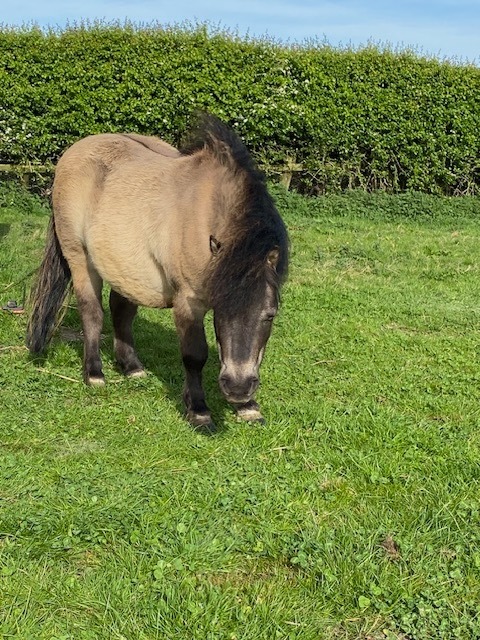
Chieftain the Shetland Pony
This scenario brings me to the next challenge: anyone who has ever owned a pet will sympathise with me on this. Coaxing domestic pets like cats and dogs to take routine medication is difficult enough, so you can imagine how hard it is to get a mischievous pony or donkey to take their medicine.
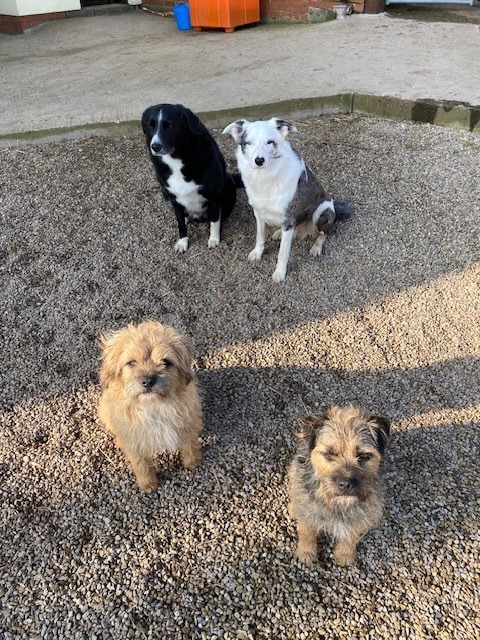
Allison's four dogs
Administering medication to equines: yes, it can be syringe-fed into their mouths if it is in paste form. However, I am often splattered with the offending substance when the donkey or pony spits, coughs, or sneezes it back at me!
Ponies and donkeys have jaws of steel when resisting the syringe, and there is absolutely no way they will cooperate. Afterwards, they usually refuse to have anything to do with me for hours, throwing dirty looks whenever I approach.
Powdered medication can also be given with a syringe, but you need to add water, molasses, or yoghurt to make a thick paste. If your equine is cooperative, insert the syringe into the corner of the mouth, aim for the back of the tongue, and push quickly to trigger the swallowing reflex. This should help ensure the medication goes down the throat rather than being spat out. Always stand to the side of the animal's head, not directly in front.
When the medication is in powder or tablet form, I get inventive—crushing tablets, mixing with apple sauce, soaking chaff, hiding in fruit, or even baking special biscuits and spreading the medicine on them with mashed banana or honey. However, each pony and donkey always seems to see through my efforts and refuses to cooperate.
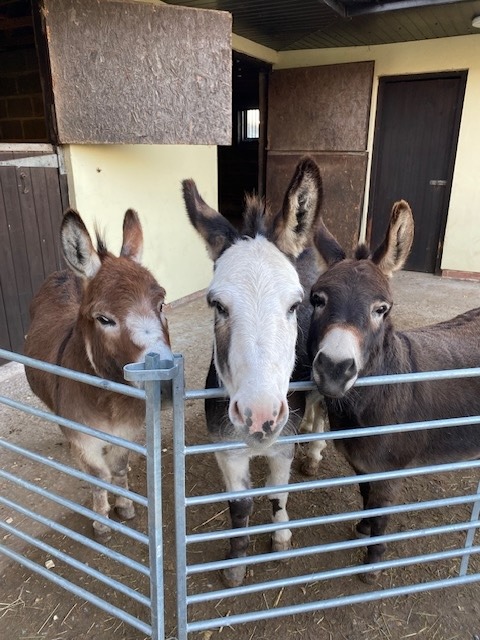
Flynn, Jasper and George
Given all these challenges, if you decide to hide medication in feed, it is crucial to ensure the entire dose has been consumed and that animals are fed individually so each animal gets the correct dosage. It is advisable to give positive reinforcement once the animal has taken their medication, especially if they are on regular treatment, and offering a treat before and after can make the whole process more positive for them.
So, next time you find it difficult to give your pet poodle his wormer, remember: the challenges of medicating multiple animals on a smallholding can make caring for one dog seem straightforward by comparison. Consistent, careful treatment is essential for all animals.