



search
date/time

Sun, 1:00AM
broken clouds
6.4°C
NW 5mph
broken clouds
6.4°C
NW 5mph
 | Sunrise | 6:39AM |
| Sunset | 5:04PM |  |
P.ublished 17th October 2026
lifestyle
A Silent Men’s Health Issue: Ask Men About Gambling During Men’s Health Month
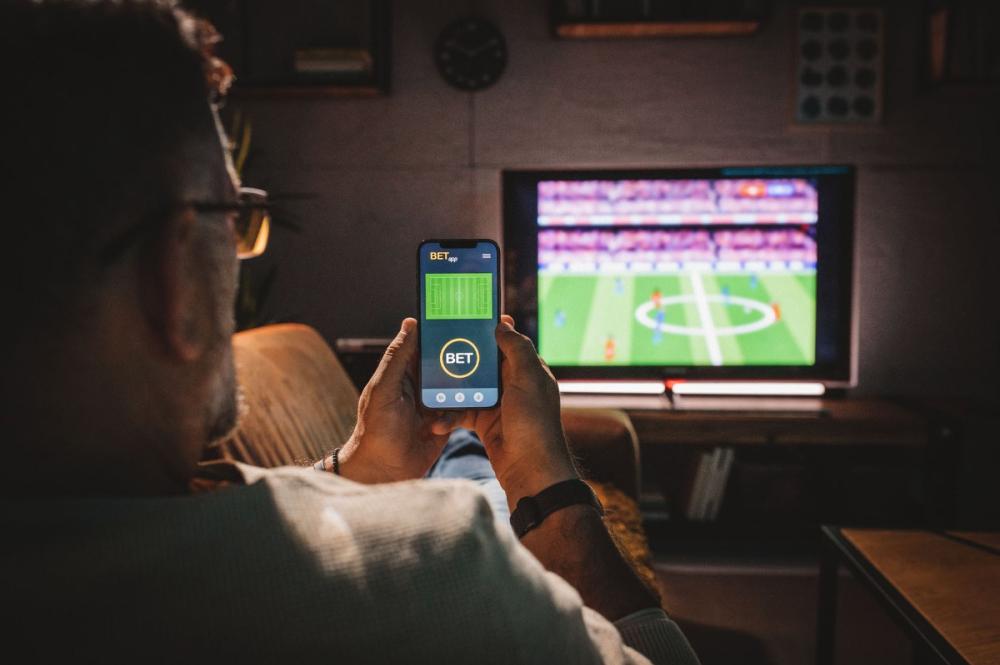
Image iStock
The levy, worth around £100 million a year, came into effect in April 2025, with half of it earmarked for treatment. NHS England took on commissioning responsibility for gambling harms treatment in England on 1 April 2026.A Silent Men’s Health Issue: Ask Men About Gambling During Men’s Health Month The question this month is who will actually walk through the door it pays for?
2.4% of adults scored 8 or more on the Problem Gambling Severity Index, around 1.3 million adults in Great Britain.
Among people who had gambled in the past year, 5.3% of men scored 8 or more, against 2.7% of women.
Only 3.4% of past-year gamblers had sought support for their own gambling.2

Image iStock
Ryan Eripse comments: "Drinking leaves a smell and a hangover. Drugs leave a change you can see. Gambling leaves a bank statement that nobody else opens. A man can be in serious trouble for two years and still look like the most reliable person in the room."
Gambling Disorder - The ‘Hidden’ Addiction
Every other addiction eventually announces itself to someone, but gambling does not. There is no intoxication to notice, no missed workdays at first, and the behaviour looks like ordinary male leisure: a bet on the local football match with a phone in hand. The harm shows up in money, and money is the last thing most men will discuss completely honestly, particularly with a partner.
That is also why it turns dangerous quietly. Among survey participants who reported suicidal thoughts or attempts in the past year, men who gambled were more than twice as likely as women to attribute those thoughts to gambling, 9.9% against 4.2%.2 Harm spreads beyond the gambler too: 4.8% of people with someone close to them who gambles reported at least one severe consequence, most commonly relationship breakdown.2
Money that does not add up. Borrowing, sold possessions, unexplained transfers, a second account, payday shortfalls in a household that should be comfortable.
Constant phone use with no social trace. Hours online that produce no messages, plans or friends.
Mood that tracks something invisible. Elation and irritability on a cycle that nobody else can map to work or family.
A shrinking circle. Sport stops being something he watches with people and becomes something he watches alone.
Sleep going first. Late nights, early markets, foreign leagues, and a man who is never off duty.
What the levy will not fix on its own
Funding treatment is necessary, and the rise in helpline referrals shows that some men do find their way to it. It does not solve the two steps before treatment for everybody else: recognition and referral. Most men who are losing money do not describe themselves as having a gambling problem, and most services never ask. A man can go through a mental health assessment, a debt advice appointment and a GP consultation for stress without gambling being raised once.
Ryan Eripse says: "We ask men about alcohol, sometimes about drugs, and almost never about betting. Then we are surprised that the presenting problem is anxiety and insomnia, and that it does not improve."
Five things that would reach these men:
Ask two questions as standard. Whether he gambles, and whether he has ever bet more than he could afford to lose. Both belong in mental health, debt and primary care assessments, not only in specialist services.
Treat the money and the mind together. Debt advice without clinical treatment leaves the cause in place. Treatment without a plan for the debt leaves the pressure in place.
Bring partners in. Households usually spot the pattern first, and family members currently have almost nowhere to take it.
Screen for gambling within other treatment. Men in treatment for alcohol or stimulants frequently have a second, unmentioned problem, and it often survives the first course of treatment.
Publish who receives levy-funded treatment. Age, sex and route in. If the new services reach the same people the old ones did, that needs to be visible in year one, not in year five.
What clinicians see
Men who arrive in treatment for gambling have usually been managing it alone for years, and the crisis that brings them in is rarely the betting itself. It is a discovery: a partner finds the statements, an employer notices a shortfall, a loan is refused. Because the secrecy has been so total, shame is far heavier than it is with alcohol, and the risk period around disclosure deserves much more clinical attention than it gets.
Ryan Eripse comments: "This is the cheapest win available in men's health this month. Two questions, asked routinely, in places men already attend. It costs nothing, and it finds the men who will never raise it themselves.”
The shortened address for this article is: newspub.uk/321au